Retirement Planning Beyond 2026: Healthcare Costs & Long-Term Care Strategies

Effective retirement planning beyond 2026 necessitates a clear understanding of projected healthcare costs and robust long-term care strategies to ensure financial stability and peace of mind for retirees in the United States.
Are you envisioning your golden years filled with comfort and security? When it comes to retirement healthcare costs, many Americans underestimate the significant financial burden they might face. Beyond 2026, understanding and planning for these expenses, especially long-term care, becomes not just advisable, but absolutely critical for a truly secure future.
Understanding the Landscape of Retirement Healthcare Costs Post-2026
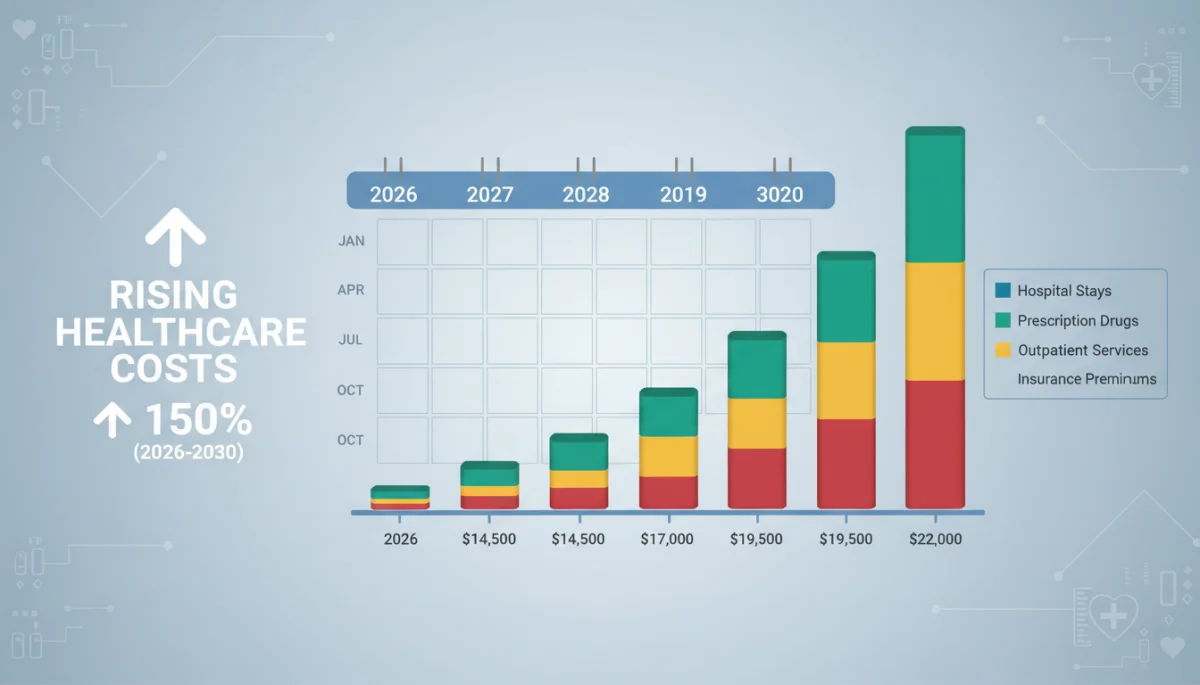
The healthcare landscape for retirees in the United States is continuously evolving, and projections beyond 2026 indicate a persistent upward trend in costs. This section delves into the factors contributing to these rising expenses and why a proactive approach to financial planning is indispensable.
As individuals age, their healthcare needs typically increase, leading to higher out-of-pocket expenses even with Medicare coverage. Inflation in medical services, prescription drug costs, and advanced treatment options all play a role in this escalation, making it vital for future retirees to anticipate these financial demands.
Key Drivers of Escalating Healthcare Expenses
Several critical factors contribute to the projected increase in healthcare costs for retirees. Understanding these drivers can help you better prepare for what’s ahead.
- Medical Inflation: Healthcare costs generally rise faster than overall inflation, eroding the purchasing power of retirement savings.
- Prescription Drug Prices: The cost of medications, especially for chronic conditions, continues to be a major concern for many seniors.
- Increased Utilization: As the population ages, more individuals will require medical services, driving up demand and, consequently, costs.
Moreover, advancements in medical technology, while beneficial for health outcomes, often come with higher price tags. These innovations, coupled with the increasing prevalence of chronic diseases, paint a picture of significant financial responsibility for retirees.
In conclusion, the post-2026 era demands a realistic appraisal of healthcare expenses. Ignoring these rising costs can severely jeopardize retirement security, underscoring the importance of early and comprehensive financial strategizing.
Projecting Future Healthcare Expenses: A Realistic Outlook
Accurately projecting future healthcare expenses is a complex but essential component of sound retirement planning. This involves considering various data points and making informed assumptions about future medical needs and cost trends.
Financial planners often use actuarial data and healthcare inflation rates to estimate these costs. While exact figures are impossible to predict, obtaining a realistic range allows for better budgeting and investment decisions.
Tools and Resources for Cost Estimation
Several tools and resources are available to help individuals estimate their potential healthcare costs in retirement. These can provide a valuable starting point for your planning efforts.
- Online Calculators: Many financial institutions and government agencies offer calculators that factor in age, health status, and desired retirement age to provide cost estimates.
- Financial Advisors: Professionals specializing in retirement planning can offer personalized projections and strategies based on your unique circumstances.
- Medicare Information: Understanding Medicare’s coverage gaps and potential out-of-pocket expenses is crucial for accurate projections.
It is important to remember that these projections are estimates and can vary widely based on individual health, lifestyle choices, and future policy changes. Regularly reviewing and adjusting your projections is a best practice.
Ultimately, a realistic outlook on future healthcare expenses involves not only understanding the numbers but also acknowledging the potential for unexpected medical events. This proactive mindset is key to building a resilient financial plan.
The Role of Medicare in Retirement Healthcare
Medicare serves as the cornerstone of healthcare for most retirees in the United States, but it’s crucial to understand its limitations and the costs it doesn’t cover. Relying solely on Medicare without additional planning can lead to significant financial shortfalls.
While Medicare Part A (hospital insurance) and Part B (medical insurance) cover a substantial portion of medical expenses, deductibles, co-payments, and certain services remain the responsibility of the beneficiary. Part D covers prescription drugs, but premiums and coverage gaps can add up.
Addressing Medicare’s Gaps: Supplemental Coverage Options
To mitigate the financial impact of Medicare’s coverage gaps, retirees often consider supplemental insurance options. These plans can significantly reduce out-of-pocket costs.
- Medigap Policies (Medicare Supplement Insurance): These plans help pay for some of the costs that Original Medicare doesn’t cover, such as co-payments, coinsurance, and deductibles.
- Medicare Advantage Plans (Part C): These are all-in-one alternatives to Original Medicare, offered by private companies approved by Medicare. They often include Part A, Part B, and usually Part D coverage, and may offer extra benefits like vision, hearing, and dental.
- Employer-Sponsored Retiree Health Plans: Some former employers offer health benefits to their retirees, which can complement or replace Medicare coverage.
Choosing the right supplemental coverage depends on individual health needs, financial situation, and preferred providers. It’s a decision that requires careful research and often consultation with a knowledgeable insurance agent.
In essence, while Medicare provides foundational coverage, understanding its structure and proactively addressing its gaps through supplemental insurance is paramount for managing retirement healthcare costs effectively.
Strategies for Managing Long-Term Care Costs
Long-term care (LTC) is one of the most significant and often overlooked financial risks in retirement. The costs associated with nursing homes, assisted living facilities, or in-home care can quickly deplete savings if not adequately planned for.
Unlike acute medical care, which Medicare largely covers, LTC primarily involves assistance with daily living activities, for which Medicare coverage is very limited. This distinction makes dedicated LTC planning indispensable.
Options for Funding Long-Term Care
There are several avenues individuals can explore to fund potential long-term care needs, each with its own advantages and considerations.
- Long-Term Care Insurance: This specialized insurance can cover a portion of LTC costs, protecting retirement assets from being exhausted.
- Hybrid Life Insurance Policies: These policies combine life insurance with an LTC rider, allowing policyholders to access a portion of the death benefit for LTC expenses if needed.
- Personal Savings and Investments: Self-funding LTC through dedicated savings accounts or investment portfolios is an option for those with substantial assets.
Additionally, Medicaid can provide assistance for long-term care, but it is a needs-based program, meaning individuals must meet strict income and asset requirements to qualify. Planning ahead can help protect assets while still potentially qualifying for assistance.
Ultimately, developing a robust strategy for managing long-term care costs is a critical step in comprehensive retirement planning, safeguarding both financial stability and personal dignity in later life.
The Importance of Early Planning and Savings
The adage “the earlier, the better” holds particularly true for retirement planning, especially concerning healthcare and long-term care costs. Starting early allows for the power of compound interest to work in your favor, accumulating a substantial nest egg.
Delaying this planning can result in a scramble to save enough, potentially leading to compromises in your desired retirement lifestyle or even financial hardship if unexpected health issues arise.
Vehicles for Healthcare-Specific Savings
Beyond general retirement accounts, specific savings vehicles can be highly advantageous for covering future healthcare expenses.
- Health Savings Accounts (HSAs): For those with high-deductible health plans, HSAs offer a triple tax advantage: tax-deductible contributions, tax-free growth, and tax-free withdrawals for qualified medical expenses. They can be a powerful tool for retirement healthcare savings.
- Individual Retirement Accounts (IRAs) and 401(k)s: While not healthcare-specific, these traditional retirement accounts can be used to cover medical expenses in retirement. However, withdrawals will be subject to income tax.
- Roth IRAs and Roth 401(k)s: These accounts offer tax-free withdrawals in retirement, which can be particularly beneficial for covering healthcare costs without incurring additional tax burdens.
Regularly contributing to these accounts, even small amounts, can make a significant difference over decades. The discipline of consistent saving is a cornerstone of effective financial preparation for retirement.
In conclusion, early planning and strategic utilization of savings vehicles are fundamental to building a resilient financial foundation that can withstand the significant impact of future healthcare and long-term care costs.
Navigating Future Policy Changes and Economic Shifts
The landscape of healthcare and retirement benefits is not static; it is subject to ongoing policy changes and economic shifts that can significantly impact future retirees. Staying informed and maintaining flexibility in your financial plan is crucial.
Government policies regarding Medicare, Medicaid, and Social Security can evolve, potentially altering benefits or eligibility requirements. Economic factors such as inflation, interest rates, and market volatility also play a role in the purchasing power of your retirement savings.
Adapting Your Retirement Plan
A dynamic approach to retirement planning involves regularly reviewing and adapting your strategies to account for an unpredictable future. This proactive stance helps maintain financial resilience.
- Stay Informed: Keep abreast of potential legislative changes related to healthcare and retirement benefits through reliable news sources and government publications.
- Build a Diversified Portfolio: A well-diversified investment portfolio can help mitigate the impact of economic downturns and provide more stable growth.
- Maintain an Emergency Fund: Beyond your retirement savings, a robust emergency fund can provide a buffer against unexpected medical costs or economic shocks.
Engaging with a financial advisor who specializes in retirement planning can also provide valuable guidance on navigating these complexities. They can help you stress-test your plan against various scenarios and make necessary adjustments.
Ultimately, successful retirement planning beyond 2026 requires not just foresight but also the ability to adapt to an ever-changing economic and political environment, ensuring your financial security remains intact.
| Key Aspect | Brief Description |
|---|---|
| Projected Healthcare Costs | Expect rising expenses due to medical inflation and increased utilization post-2026. |
| Medicare Limitations | Medicare has significant gaps; supplemental insurance or Medicare Advantage is often necessary. |
| Long-Term Care Funding | Consider Long-Term Care insurance, hybrid policies, or dedicated savings to cover these high costs. |
| Early Planning Benefits | Starting early with HSAs and diversified investments maximizes savings and resilience. |
Frequently Asked Questions About Retirement Healthcare
Estimates vary widely based on health and lifestyle, but many financial experts suggest saving hundreds of thousands of dollars for out-of-pocket medical expenses in retirement. Utilize online calculators and consult a financial advisor for personalized projections.
Generally, Medicare does not cover long-term care services, such as help with daily activities like bathing or dressing, if that is the only care you need. It primarily covers skilled nursing care for a limited period.
An HSA is a tax-advantaged savings account available to those with high-deductible health plans. Contributions are tax-deductible, investments grow tax-free, and withdrawals for qualified medical expenses are tax-free, making it an excellent tool for retirement healthcare savings.
It’s advisable to start planning for long-term care in your 50s or early 60s. Premiums for long-term care insurance are typically lower when you are younger and healthier, and you have more options available.
Medigap plans work with Original Medicare to cover gaps, while Medicare Advantage plans are all-in-one alternatives offered by private insurers. The choice depends on your preferred provider network, desired benefits, and tolerance for out-of-pocket costs.
Conclusion
Navigating retirement beyond 2026 demands a sophisticated and proactive approach to financial planning, particularly concerning healthcare and long-term care costs. By understanding the projected expenses, leveraging Medicare effectively, exploring supplemental insurance and long-term care funding options, and committing to early savings, individuals can build a robust financial foundation. Staying informed about policy changes and economic shifts will further empower retirees to adapt their plans, ensuring a secure and comfortable future free from undue financial stress related to health expenses. A well-prepared retirement is not just a dream, but a tangible goal achievable through diligent and informed planning.