Disability Benefits 2026: Navigating Application and Updates
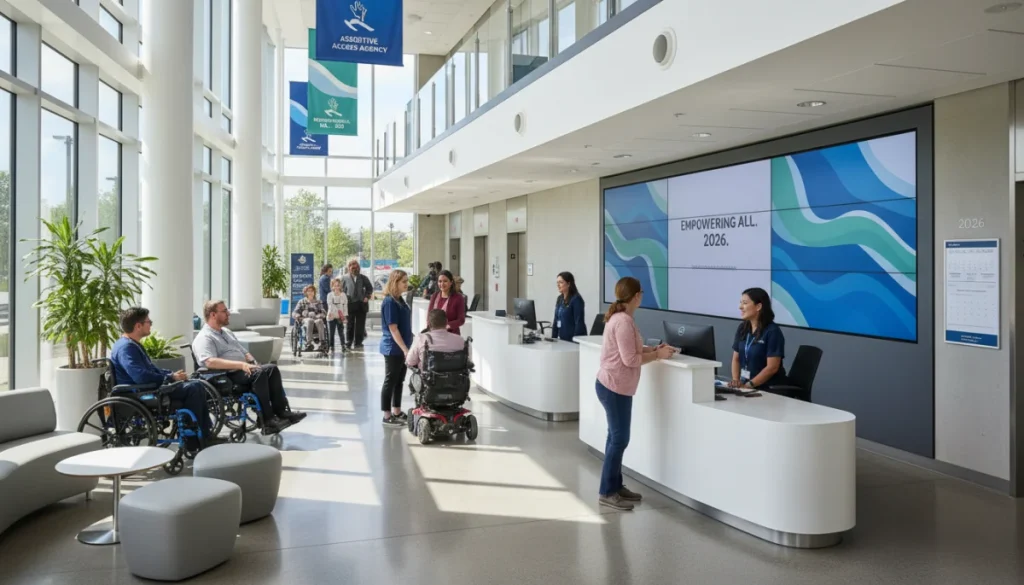
Securing disability benefits in 2026 requires understanding evolving application processes and recent program updates, which are essential for eligible individuals to access vital financial support in the United States.
Are you looking to understand the intricacies of disability benefits 2026? Navigating the application process and staying informed about recent program updates can feel overwhelming, but it doesn’t have to be. This guide will walk you through everything you need to know to confidently pursue the support you deserve, ensuring you are well-prepared for any changes on the horizon.
Understanding the landscape of disability benefits in 2026
The landscape of disability benefits in the United States is constantly evolving, with changes influenced by legislative actions, economic shifts, and administrative adjustments. For 2026, it is particularly important to grasp the foundational aspects of these programs, primarily Social Security Disability Insurance (SSDI) and Supplemental Security Income (SSI), as well as any new initiatives or modifications that may affect eligibility and benefit amounts. These programs serve as critical safety nets for millions of Americans unable to work due to significant health conditions.
Staying informed about these changes is not merely a recommendation; it is a necessity. The Social Security Administration (SSA) periodically updates its rules and procedures, which can impact how claims are filed, reviewed, and approved. Understanding the nuances of these updates can significantly streamline your application journey and increase your likelihood of a successful outcome. Our goal is to demystify these complexities, providing clear and actionable insights.
Key programs: SSDI versus SSI
While both SSDI and SSI provide financial assistance to individuals with disabilities, their eligibility requirements and funding sources differ significantly. Knowing which program is right for you is the first crucial step in the application process.
- SSDI (Social Security Disability Insurance): This program is for those who have worked and paid Social Security taxes for a sufficient period. It is essentially an insurance program, meaning your eligibility is based on your work history and contributions to the system.
- SSI (Supplemental Security Income): SSI is a needs-based program for individuals with limited income and resources, regardless of their work history. It is funded by general tax revenues and is designed to provide a minimum level of income for basic needs.
- Combined benefits: In some cases, individuals may be eligible for both SSDI and SSI, often referred to as concurrent benefits. This usually occurs when SSDI benefits are low, and the individual also meets the strict income and resource limits for SSI.
The distinction between these programs is vital for understanding the required documentation and the criteria the SSA will use to evaluate your claim. Confusion between the two can lead to delays or even denial of benefits, making a clear understanding paramount for any prospective applicant.
In essence, navigating the 2026 disability benefits landscape begins with a solid understanding of the available programs and their specific requirements. This foundational knowledge empowers applicants to approach the process strategically, ensuring they gather the correct information and present their case effectively to the SSA.
Navigating the application process: step-by-step guide
Applying for disability benefits can be a lengthy and often challenging endeavor. A methodical, step-by-step approach is crucial to avoid common pitfalls and ensure a smooth process. The Social Security Administration (SSA) requires comprehensive documentation and adherence to specific procedures, making preparation key to success. Understanding each stage will significantly reduce stress and improve your chances of approval.
The application journey typically begins with gathering extensive personal, medical, and work-related information. This initial phase sets the foundation for your claim and directly impacts how quickly and efficiently your application can be processed. Being thorough and accurate at this stage can prevent future requests for additional information, which often cause delays.
Initial application submission
The first formal step is submitting your application. This can be done online, by phone, or in person at a local Social Security office. Each method has its advantages, but the online portal is often the most convenient for many applicants.
- Online application: The SSA’s website provides a secure portal to submit your application, allowing you to save your progress and submit supporting documents electronically. This method is often preferred for its flexibility and accessibility.
- Phone application: You can call the SSA’s toll-free number to start your application process. A representative will guide you through the initial questions and schedule an appointment for a more detailed interview if necessary.
- In-person application: Visiting a local SSA office allows you to speak directly with a representative who can answer your questions and assist with filling out forms. This can be particularly helpful for those who prefer face-to-face interaction or have complex situations.
Regardless of the submission method, ensure you have all necessary information at hand, including your Social Security number, birth certificate, medical records, and detailed work history. Incomplete applications are a primary cause of delays and denials.

Once submitted, your application will undergo a rigorous review process by Disability Determination Services (DDS) in your state. This agency works on behalf of the SSA to make the initial medical determination. They will review your medical records, contact your doctors, and may even schedule you for a consultative examination if they need more information. It is imperative to cooperate fully with DDS and provide any requested information promptly. Delays in responding can significantly prolong the decision-making process.
The application process demands patience and persistence. Many initial applications are denied, but this is not the end of the road. Understanding the appeals process and being prepared for potential setbacks is part of a realistic approach to securing disability benefits. Each stage, from initial submission to potential appeals, requires careful attention to detail and a proactive stance from the applicant.
Recent program updates and legislative changes for 2026
The landscape of disability benefits is dynamic, with various factors contributing to its evolution. For 2026, several program updates and potential legislative changes are on the horizon, aiming to streamline processes, adjust benefit amounts, and potentially broaden or narrow eligibility criteria. Staying abreast of these developments is essential for anyone applying for or receiving disability benefits 2026, as they can directly impact your financial support and application strategy.
These updates often stem from congressional actions, executive orders, or internal SSA policy revisions. They reflect ongoing efforts to ensure the sustainability and fairness of the Social Security system while adapting to economic realities and societal needs. Understanding these shifts helps applicants anticipate potential hurdles or opportunities.
Cost-of-living adjustments (COLAs)
One of the most anticipated updates each year is the Cost-of-Living Adjustment (COLA). COLAs are designed to help Social Security and SSI benefits keep pace with inflation, ensuring beneficiaries maintain their purchasing power. The COLA for 2026 will be announced in late 2025, based on the Consumer Price Index for Urban Wage Earners and Clerical Workers (CPI-W).
- Impact on benefits: A COLA increase means higher monthly benefit payments for eligible individuals. This adjustment applies to both SSDI and SSI benefits.
- Historical context: COLAs have been a feature of Social Security since 1975, reflecting the government’s commitment to protecting beneficiaries from inflationary pressures.
- Future projections: While the exact COLA for 2026 is unknown, economic forecasts and inflation trends typically provide clues as to what beneficiaries might expect.
Beyond COLAs, other legislative changes might focus on work incentives for beneficiaries, aiming to encourage individuals with disabilities to return to work if they are able, without immediately losing their vital benefits. Programs like the Ticket to Work initiative often see modifications to improve their effectiveness and reach.
Additionally, there could be administrative reforms aimed at speeding up the application and review process, or changes to the medical evidence requirements. For instance, the SSA might place a greater emphasis on certain types of medical documentation or introduce new digital tools for submitting records. These kinds of changes are designed to improve efficiency but can also require applicants to adapt their approach.
In summary, remaining informed about all program updates and legislative changes for 2026 is vital. This proactive approach allows applicants and current beneficiaries to adjust their plans, gather necessary documentation, and ensure they continue to receive the support they are entitled to under the updated regulations.
Eligibility criteria and medical requirements
To qualify for disability benefits 2026, applicants must meet stringent eligibility criteria, primarily focusing on their medical condition and, for SSDI, their work history. The Social Security Administration (SSA) has a very specific definition of disability, which differs from definitions used by other agencies or private insurance companies. Understanding these requirements is fundamental to building a strong application.
The SSA defines disability as the inability to engage in any substantial gainful activity (SGA) due to a medically determinable physical or mental impairment that is expected to last for a continuous period of at least 12 months or result in death. This strict definition means that not all severe health conditions will automatically qualify someone for benefits.
The five-step sequential evaluation process
The SSA uses a five-step sequential evaluation process to determine if an applicant meets the definition of disability:
- Are you working? If you are working and your earnings exceed the SGA limit ($1,550 per month for non-blind individuals in 2024, subject to change), you generally won’t be considered disabled.
- Is your condition severe? Your impairment must significantly limit your ability to perform basic work activities (such as walking, standing, lifting, remembering) for at least 12 months.
- Is your condition on the list of disabling impairments? The SSA maintains a list of impairments (the “Blue Book”) that are considered severe enough to prevent an individual from engaging in SGA. If your condition meets or is equal in severity to one on this list, you are typically found disabled.
- Can you do the work you did before? If your condition is severe but not on the list, the SSA will assess if you can still perform your past relevant work.
- Can you do any other type of work? If you cannot do your past work, the SSA will consider your age, education, work experience, and residual functional capacity (RFC) to determine if you can adjust to other work.
Medical evidence is the cornerstone of any disability application. The SSA relies heavily on objective medical documentation from treating physicians, specialists, and other healthcare providers. This includes diagnostic test results, treatment records, physician’s notes, and prognoses. A lack of comprehensive medical evidence is one of the most common reasons for denial.
It is crucial to maintain consistent medical treatment and ensure your medical records accurately reflect the severity and limitations imposed by your condition. Providing a detailed and consistent medical history is paramount. The SSA will also consider your statements about your symptoms and limitations, but these must be supported by objective medical findings.
Meeting the eligibility criteria and providing robust medical evidence are critical components of a successful disability claim. Understanding these requirements from the outset allows applicants to proactively gather the necessary documentation and present a compelling case to the SSA.
Gathering essential documentation for your claim
The success of your application for disability benefits 2026 hinges significantly on the thoroughness and accuracy of the documentation you provide. A well-organized collection of records can expedite the review process and strengthen your claim, demonstrating the severity and impact of your disability. Conversely, missing or incomplete documents are a leading cause of delays and denials.
Preparing this documentation can seem daunting, but breaking it down into manageable categories makes the task less overwhelming. It’s advisable to start gathering these records as soon as you consider applying, as some documents may take time to obtain from various sources.
Key categories of documentation
The SSA requires several types of documents to establish your identity, work history, financial situation, and, most importantly, your medical condition:
- Personal and identity documents: This includes your Social Security card, birth certificate, proof of U.S. citizenship or legal alien status, and marriage certificates (if applicable). These verify who you are and your eligibility for benefits based on citizenship or immigration status.
- Work history records: You’ll need detailed information about your employment over the past 15 years, including employer names, dates of employment, and earnings. This is crucial for SSDI eligibility, as it determines your work credits.
- Financial information (for SSI applicants): If applying for SSI, you must provide bank statements, property deeds, and information about any other assets or income sources. SSI is a needs-based program, so your financial situation is a key determinant of eligibility.
- Comprehensive medical records: This is arguably the most critical category. It should include:
- All diagnoses from doctors and specialists.
- Results from lab tests, X-rays, MRIs, CT scans, and other diagnostic imaging.
- Treatment history, including medications prescribed, therapies received, and surgeries performed.
- Notes and reports from all treating physicians, therapists, and other healthcare providers detailing your symptoms, limitations, and prognosis.
- Hospitalization records, if applicable.
When collecting medical records, aim for completeness. The SSA needs to see a consistent history of treatment and how your condition has progressed and impacted your daily life and ability to work. It’s often helpful to keep a detailed log of all your medical appointments, treatments, and the contact information for all your healthcare providers.
Additionally, consider compiling statements from family members, friends, or former employers who can attest to the impact of your disability on your daily activities and work performance. While not primary medical evidence, these statements can provide valuable context and reinforce the narrative of your limitations. Organizing all your documents systematically before submission will not only save you time but also present a clear, compelling case to the SSA, increasing your chances for a favorable decision.
The appeals process: what to do if your claim is denied
Receiving an initial denial for disability benefits 2026 can be disheartening, but it is a common outcome and not the end of your journey. Many applicants find success through the appeals process, which is designed to provide multiple opportunities for review. Understanding the various stages of appeal and acting promptly are crucial steps toward overturning an unfavorable decision.
The Social Security Administration (SSA) provides several levels of appeal, each offering a distinct opportunity to present new evidence or argue against the initial determination. It is important to remember that strict deadlines apply to each appeal stage, so swift action is necessary once you receive a denial notice.
Levels of appeal
If your initial application is denied, you typically have 60 days from the date you receive the denial letter to file an appeal. The appeals process generally involves four levels:
- Reconsideration: This is the first level of appeal. Your case will be reviewed by a different examiner at Disability Determination Services (DDS) who was not involved in the initial decision. New evidence can be submitted at this stage.
- Hearing by an Administrative Law Judge (ALJ): If reconsideration is denied, you can request a hearing before an ALJ. This is an important stage where you (and your representative, if you have one) can present your case in person, testify, call witnesses, and submit additional evidence.
- Appeals Council review: If the ALJ denies your claim, you can ask the Appeals Council to review the ALJ’s decision. The Appeals Council can affirm the decision, remand the case back to an ALJ for further review, or issue a favorable decision itself.
- Federal Court review: As a final step, if the Appeals Council denies your request for review or upholds the previous denial, you have the option to file a lawsuit in a federal district court.
During the appeals process, gathering additional medical evidence is often key. This might include new diagnostic tests, updated reports from treating physicians reflecting recent visits or changes in your condition, or opinions from specialists that more clearly articulate your limitations. It is also beneficial to provide detailed statements from yourself, family, and friends about how your disability impacts your daily life and ability to work.
Many applicants choose to seek legal representation during the appeals process, particularly at the ALJ hearing stage. An experienced disability attorney can help gather necessary evidence, prepare you for testimony, and argue your case effectively before the judge. Statistics show that applicants with legal representation often have a higher success rate in securing benefits.
In essence, a denial is not a definitive rejection. By understanding the appeals process, acting within the prescribed deadlines, and strengthening your claim with comprehensive evidence, you can significantly improve your chances of eventually receiving the disability benefits you need and deserve.
Maximizing your chances: tips for a successful application
Securing disability benefits 2026 requires more than just meeting the eligibility criteria; it demands a strategic approach to the application process. While the journey can be complex, several key strategies can significantly maximize your chances of a successful outcome. These tips focus on preparation, consistency, and understanding how the Social Security Administration (SSA) evaluates claims.
A proactive and organized approach from the outset can prevent common pitfalls that lead to denials and lengthy appeals. Think of your application as building a comprehensive case, where every piece of information contributes to demonstrating the severity and impact of your disability.
Key strategies for success
Applying for disability benefits is a marathon, not a sprint. Adopting these practices can make a substantial difference:
- Seek consistent medical treatment: Regular visits to doctors and specialists are paramount. Consistent medical records provide objective evidence of your condition’s severity, ongoing symptoms, and the treatments you’ve received. Gaps in treatment can weaken your claim, suggesting your condition is not as debilitating as stated.
- Be thorough and accurate: Provide complete and accurate information on all application forms. Any inconsistencies or omissions can raise red flags and lead to delays or denials. Double-check all dates, names, and contact information for medical providers and employers.
- Describe your limitations clearly: When detailing how your condition affects your daily life and ability to work, be specific. Instead of saying “I have pain,” explain how the pain prevents you from lifting a certain weight, sitting for extended periods, or concentrating on tasks. Provide concrete examples of how your disability impacts activities like cooking, cleaning, or personal care.
- Communicate with your doctors: Ensure your treating physicians understand the SSA’s definition of disability and are willing to provide detailed reports that accurately reflect your limitations. Their medical opinions are highly influential.
- Consider professional help: Many applicants benefit from hiring an attorney or a non-attorney representative specializing in Social Security disability claims. They can help gather medical records, complete complex forms, prepare you for hearings, and represent you throughout the process, significantly improving your chances of approval.
It is also advisable to keep copies of everything you submit to the SSA and maintain a detailed log of all communications, including dates, names of SSA representatives, and summaries of conversations. This meticulous record-keeping can be invaluable if questions arise or if you need to appeal a decision.
By focusing on consistent medical care, meticulous documentation, clear communication of limitations, and considering expert assistance, you can build a robust application that effectively communicates the extent of your disability to the SSA. These steps are crucial for maximizing your chances of securing the disability benefits you need in 2026.
Future outlook and long-term planning for beneficiaries
As we look towards 2026 and beyond, understanding the future outlook for disability benefits 2026 and engaging in long-term planning are essential for current and prospective beneficiaries. The Social Security system faces ongoing discussions regarding its financial solvency and potential reforms, which could impact benefit structures, eligibility, and the overall application experience. Proactive planning can help individuals adapt to future changes and secure their financial well-being.
Discussions about Social Security’s long-term financial health are continuous, often leading to proposals for legislative adjustments. While the core promise of benefits remains, the specifics can evolve. Staying informed about these broader conversations is part of responsible long-term planning.
Adapting to potential changes
Potential future changes could include adjustments to the full retirement age, modifications to how Cost-of-Living Adjustments (COLAs) are calculated, or changes in the taxation of benefits. While these are often subjects of political debate, beneficiaries should be aware of their potential implications.
- Financial planning: Diversifying income sources and building personal savings, where possible, can provide a buffer against any future policy changes. Relying solely on disability benefits, while essential, may not be sufficient for all long-term financial needs.
- Work incentives: For those who might be able to work part-time or return to employment, understanding and utilizing SSA’s work incentive programs (like the Ticket to Work) is crucial. These programs allow beneficiaries to test their ability to work without immediately losing their benefits or healthcare coverage, offering a pathway to greater financial independence.
- Healthcare considerations: Disability beneficiaries often rely on Medicare (for SSDI recipients after a waiting period) or Medicaid (for SSI recipients). Keeping abreast of changes in healthcare policy and coverage is vital, as medical expenses can be a significant concern for individuals with disabilities.
Furthermore, technological advancements are likely to continue influencing the application and administration of disability benefits. The SSA may further digitize its processes, making online applications more streamlined but potentially requiring applicants to be more tech-savvy. Resources like online portals for checking application status and submitting documents are likely to become even more central.
Engaging with advocacy groups and staying connected to reliable sources of information, such as the official SSA website and reputable disability organizations, can provide valuable insights into proposed changes and how best to prepare. These organizations often play a significant role in advocating for the rights and needs of individuals with disabilities, offering a collective voice in policy discussions.
Ultimately, a forward-looking perspective, coupled with careful financial and healthcare planning, will empower disability beneficiaries to navigate the evolving landscape of 2026 and beyond. Being prepared for potential shifts ensures greater stability and peace of mind in securing essential support.
| Key Aspect | Brief Description |
|---|---|
| Application Process | Multi-step journey requiring comprehensive documentation and adherence to SSA procedures for SSDI/SSI. |
| Eligibility Criteria | Strict medical definition of disability and work history (SSDI) or financial need (SSI) requirements. |
| Recent Updates | Includes annual Cost-of-Living Adjustments (COLAs) and potential legislative changes to programs. |
| Appeals Process | Multiple levels of review for denied claims, crucial for many applicants to secure benefits. |
Frequently asked questions about disability benefits 2026
SSDI (Social Security Disability Insurance) is based on your work history and contributions to Social Security taxes, acting as an insurance program. SSI (Supplemental Security Income) is a needs-based program for individuals with limited income and resources, regardless of work history. Both require meeting the SSA’s strict definition of disability.
COLAs are annual adjustments to Social Security and SSI benefits designed to keep pace with inflation. The exact COLA for 2026 will be announced in late 2025 based on the Consumer Price Index, potentially leading to increased monthly benefit payments for beneficiaries.
The most crucial documentation includes comprehensive medical records from all treating physicians, specialists, and diagnostic tests. This objective evidence proves the severity and duration of your medical condition, which is central to the SSA’s disability determination process.
If your initial claim is denied, you should immediately initiate the appeals process, starting with a Request for Reconsideration within 60 days. Gathering additional medical evidence and considering legal representation for subsequent appeal stages, like an ALJ hearing, significantly improves your chances of success.
While specific legislative changes are subject to ongoing political discourse, potential areas of focus for 2026 include adjustments to work incentives, administrative reforms to streamline processes, and discussions around the long-term financial solvency of the Social Security system. Beneficiaries should monitor official SSA announcements.
Conclusion
Navigating the complex world of disability benefits 2026 requires diligence, understanding, and a proactive approach. From comprehending the distinctions between SSDI and SSI to meticulously gathering essential documentation and understanding the appeals process, each step is critical. Staying informed about recent program updates and potential legislative changes is paramount for both new applicants and existing beneficiaries. By employing the strategies outlined in this guide, individuals can significantly enhance their chances of a successful application, ensuring they secure the vital support necessary for their well-being and financial stability in the years to come.