Pension Plan Adjustments for 2026: Securing Your Retirement

The pension plan adjustments for 2026 introduce significant changes to retirement savings, impacting Social Security, 401(k) plans, and private pensions. Understanding these legislative updates is crucial for safeguarding your financial future and adapting your retirement strategy effectively.
Are you wondering how the upcoming legislative changes will affect your golden years? The landscape of retirement planning is continuously evolving, and the year 2026 is poised to bring significant shifts. Understanding the pension plan adjustments for 2026 is not merely beneficial; it’s essential for anyone looking to secure their financial future. These changes could reshape how you save, how your benefits are calculated, and ultimately, your peace of mind in retirement.
Understanding the Legislative Framework Behind 2026 Pension Changes
The year 2026 marks a pivotal point for retirement planning due to a confluence of legislative actions and demographic shifts. A deeper dive into the specific laws and their intent reveals a concerted effort to address long-term sustainability while also adapting to the evolving workforce. These adjustments are not random; they stem from years of debate, economic forecasting, and a recognition that current systems need modernization to remain viable for future generations.
Recent legislation, often a patchwork of federal acts and state-level initiatives, aims to fine-tune the various pillars of retirement security. This includes everything from Social Security solvency to the flexibility of private employer-sponsored plans. The goal is typically twofold: to ensure that promised benefits can be paid out, and to encourage greater individual responsibility in saving for retirement. Consequently, understanding the specific legal texts and their implications is the first step toward effective financial planning.
Key Legislation Driving the Changes
Several legislative acts contribute to the anticipated pension adjustments. While some are direct reforms, others create a ripple effect, influencing how various plans operate. It’s crucial for individuals to be aware of the federal mandates that set the baseline for all retirement savings.
- SECURE Act 2.0: This follow-up legislation to the original SECURE Act introduces further enhancements to retirement savings, including provisions for automatic enrollment, increased catch-up contributions, and modifications to required minimum distributions (RMDs).
- Social Security Reform Proposals: Though often debated, various proposals aimed at shoring up Social Security’s long-term solvency could see implementation or significant progress by 2026, potentially impacting benefit calculations or eligibility ages.
- State-Level Initiatives: Many states are also implementing their own retirement savings programs, especially for private sector employees who lack access to employer-sponsored plans, adding another layer of complexity to the overall retirement landscape.
The cumulative effect of these legislative changes creates a dynamic environment that demands attention from current and future retirees. Staying informed about these foundational laws allows individuals to anticipate potential impacts and adjust their strategies accordingly, ensuring their retirement goals remain achievable.
Impact on Social Security Benefits and Eligibility
Social Security remains a cornerstone of retirement income for millions of Americans, and any adjustments to this program carry significant weight. For 2026, potential changes could affect both the amount of benefits received and the age at which individuals become eligible to claim them. These modifications are typically driven by the need to ensure the program’s long-term financial health, a challenge exacerbated by demographic shifts and economic factors.
One of the most frequently discussed areas of reform involves the full retirement age (FRA). While the FRA has gradually increased over time, further adjustments could be on the horizon. A higher FRA means individuals might need to work longer or accept a reduced benefit if they choose to claim earlier. Additionally, the formula used to calculate benefits, which considers an individual’s highest 35 years of earnings, might see modifications to ensure sustainability.
Potential Adjustments to Full Retirement Age
The concept of the full retirement age is central to Social Security planning. Currently, it varies based on birth year, but for those approaching retirement in 2026 and beyond, there’s a possibility of further increases. This directly impacts when you can receive 100% of your earned benefits.
- Delayed Claiming Incentives: Legislation may introduce stronger incentives for delaying Social Security claims beyond the FRA, potentially offering even higher delayed retirement credits.
- Actuarial Adjustments: The actuarial tables used to determine early or delayed retirement benefits might be recalibrated, affecting the percentage of your full benefit you receive at different claiming ages.
- Impact on Spousal and Survivor Benefits: Changes to the primary earner’s FRA can also have ripple effects on spousal and survivor benefits, requiring careful consideration for married couples.
These potential adjustments underscore the importance of reviewing your retirement timeline and understanding how Social Security fits into your overall financial picture. Proactive planning, including consulting with a financial advisor, can help mitigate any negative impacts and optimize your claiming strategy.
Changes Affecting 401(k)s and Other Defined Contribution Plans
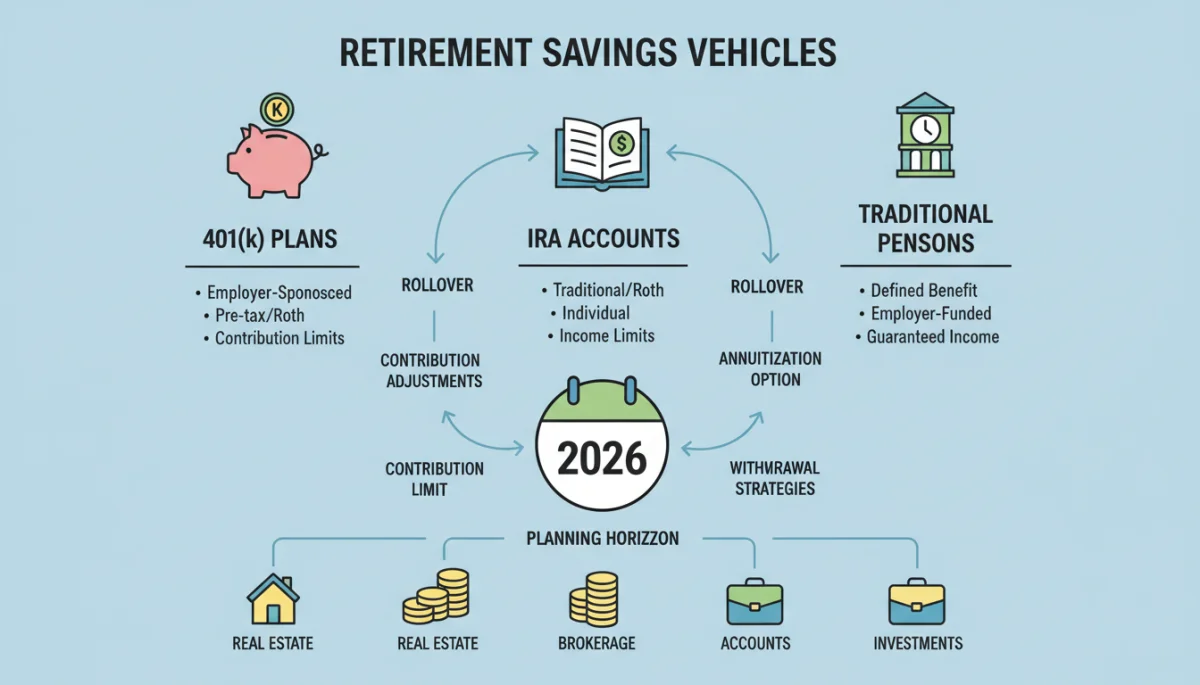
Defined contribution plans, such as 401(k)s, 403(b)s, and IRAs, form the backbone of many Americans’ retirement savings. The pension plan adjustments for 2026 are expected to introduce several modifications to these plans, primarily aimed at increasing participation, simplifying administration, and enhancing savings opportunities. These changes could significantly influence how individuals contribute, invest, and ultimately withdraw from their accounts.
One notable area of focus is automatic enrollment and escalation. Legislation is increasingly encouraging, and in some cases mandating, employers to automatically enroll employees in their retirement plans and gradually increase their contribution rates. This ‘set it and forget it’ approach has proven effective in boosting overall savings rates, particularly among younger workers and those who might not actively engage in financial planning.
Enhancements to Contribution Limits and Catch-Up Provisions
For many years, lawmakers have sought to provide greater flexibility and capacity for individuals to save for retirement. The adjustments in 2026 are likely to continue this trend, with potential increases in both standard contribution limits and catch-up contributions for older workers.
- Increased Standard Limits: The annual contribution limits for 401(k)s and IRAs may see inflation-adjusted increases, allowing individuals to defer more income into tax-advantaged accounts.
- Expanded Catch-Up Contributions: For those aged 50 and older, catch-up contribution limits could be further enhanced, providing an additional opportunity to boost retirement savings in the years leading up to retirement.
- Roth Option Expansion: Expect to see more employers offering Roth 401(k) options, and potentially expanded eligibility or flexibility for Roth IRA contributions, appealing to those who prefer tax-free withdrawals in retirement.
These enhancements provide valuable opportunities for individuals to accelerate their retirement savings. Understanding the revised limits and provisions allows you to maximize your contributions and optimize the tax efficiency of your retirement portfolio, aligning your savings strategy with the latest legislative landscape.
Private Pension Plans and Defined Benefit Reforms
While defined contribution plans have become more prevalent, traditional private pension plans, or defined benefit plans, still play a crucial role for many retirees. The pension plan adjustments for 2026 also encompass reforms aimed at strengthening the solvency of these plans, protecting beneficiaries, and ensuring employers meet their funding obligations. These changes are designed to prevent future pension crises and provide greater security for those relying on a guaranteed income stream in retirement.
A key focus of these reforms often involves stricter funding requirements for employers. Regulators are increasingly demanding that companies adequately fund their pension obligations to avoid shortfalls that could jeopardize retirees’ benefits. This might include changes to actuarial assumptions, required contribution schedules, and oversight mechanisms to ensure compliance. The goal is to create a more resilient system that can withstand economic fluctuations.
Strengthening Funding and Beneficiary Protections
Ensuring the long-term health of private pension plans is paramount. Legislative efforts in 2026 are likely to introduce measures that bolster funding stability and enhance protections for those who depend on these plans. This directly impacts the trustworthiness and reliability of your future pension income.
- Enhanced Funding Standards: Expect stricter rules regarding how much employers must contribute to their pension plans, potentially including faster amortization periods for unfunded liabilities.
- Pension Benefit Guaranty Corporation (PBGC) Updates: The PBGC, which insures private sector defined benefit plans, may see adjustments to its premium structure or benefit guarantees, offering greater security in the event of plan termination.
- Increased Transparency: New disclosure requirements could provide beneficiaries with clearer, more frequent information about their plan’s financial health and their projected benefits, empowering them to make informed decisions.
These reforms are critical for maintaining confidence in private pension systems. For individuals currently covered by a defined benefit plan, staying informed about these changes is essential to understand the security of their future income and any actions they may need to take to protect their interests.
Navigating Required Minimum Distributions (RMDs) in 2026
Required Minimum Distributions (RMDs) are a critical aspect of retirement planning, dictating when and how much individuals must withdraw from their tax-deferred retirement accounts. The pension plan adjustments for 2026 are set to introduce significant modifications to RMD rules, primarily continuing the trend of increasing the age at which these distributions must begin. These changes provide greater flexibility for retirees, allowing their savings to grow tax-deferred for a longer period.
Historically, RMDs began at age 70½, but recent legislation has already pushed this back. The anticipated adjustments for 2026 are likely to further extend this age, reflecting longer life expectancies and the desire to give individuals more control over their retirement savings. This means fewer forced withdrawals, potentially reducing immediate tax burdens and allowing for more strategic financial planning.
Revised Age for Initial RMDs
The age at which RMDs commence has been a moving target, and 2026 is expected to bring further clarity and potential increases. Understanding your specific RMD starting age is vital for tax planning and ensuring compliance with IRS regulations.
- Later Starting Age: The age for beginning RMDs is anticipated to be pushed further back, possibly to 75, giving retirees more time for their investments to grow.
- Impact on Qualified Charitable Distributions (QCDs): With a later RMD age, the strategic use of QCDs (donations directly from an IRA to a charity) might become even more valuable for tax-efficient giving.
- Penalty Relief: The legislation may also include provisions for waiving or reducing penalties for honest mistakes related to RMD calculations, offering a safety net for retirees navigating complex rules.
These revisions to RMD rules offer considerable benefits, particularly for those who do not immediately need their retirement funds. By allowing funds to remain invested longer, individuals can potentially enhance their long-term financial security and optimize their tax strategies throughout retirement.
Strategies for Adapting to the New Pension Landscape
The pension plan adjustments for 2026 necessitate a proactive approach to retirement planning. Merely understanding the changes is not enough; individuals must actively adapt their strategies to optimize their savings, maximize benefits, and mitigate any potential negative impacts. This involves a comprehensive review of current financial plans, considering new opportunities, and making informed decisions about contributions, investments, and withdrawal strategies.
One of the most effective strategies is to engage in regular financial check-ups. The retirement landscape is dynamic, and what worked a few years ago might not be the optimal approach today. A thorough review allows you to assess how the new legislation interfaces with your personal financial situation, risk tolerance, and retirement goals. It’s an opportunity to fine-tune your approach and ensure you remain on track.
Key Actions for Retirement Savers
Adapting to the new pension landscape requires specific actions. These steps can help you capitalize on new provisions, avoid pitfalls, and ensure your retirement savings remain robust and aligned with your objectives.
- Review Your Contribution Strategy: With potential increases in contribution limits and catch-up provisions, reassess if you can increase your contributions to 401(k)s, IRAs, or other retirement accounts.
- Re-evaluate Your Investment Portfolio: Ensure your investment strategy remains aligned with your risk tolerance and time horizon, especially if RMD ages are extended, allowing for longer growth periods.
- Consult a Financial Advisor: A qualified financial advisor can provide personalized guidance, helping you understand the nuances of the new legislation and how it specifically applies to your situation.
- Stay Informed on Social Security: Keep abreast of any further developments regarding Social Security’s full retirement age, benefit calculations, and claiming strategies to optimize your future income.
By taking these proactive steps, you can effectively navigate the evolving retirement landscape. Adapting your financial plan to the 2026 pension adjustments will not only safeguard your retirement security but also potentially enhance your overall financial well-being in your golden years.
The Role of Personalized Financial Planning in 2026
In an environment marked by significant pension plan adjustments for 2026, the importance of personalized financial planning cannot be overstated. Generic advice often falls short when dealing with complex legislative changes that have varied impacts depending on an individual’s age, income, existing assets, and retirement goals. A tailored approach ensures that every aspect of your financial life is considered, leading to a strategy that is both effective and resilient.
Personalized planning goes beyond simply adjusting contribution amounts; it involves a holistic view of your financial ecosystem. This includes understanding your current tax situation, evaluating your risk tolerance, planning for potential healthcare costs, and considering your legacy goals. With the intricacies of new legislation affecting everything from Social Security to RMDs, a customized plan becomes an invaluable tool for navigating the complexities.
Why Professional Guidance is More Crucial Than Ever
The evolving nature of retirement benefits means that expertise is more critical than ever. Attempting to navigate these changes alone can lead to missed opportunities or costly mistakes. Professional guidance provides clarity and helps translate complex legal jargon into actionable financial strategies.
- Navigating Tax Implications: Financial advisors can help you understand the tax implications of various retirement accounts and withdrawal strategies under the new legislative framework, optimizing your after-tax income.
- Optimizing Benefit Claims: They can assist in strategizing the optimal time to claim Social Security benefits or how to integrate private pension income with other savings.
- Adapting Investment Strategies: Advisors help adjust your investment portfolio to align with any changes in RMDs or contribution limits, ensuring your assets continue to grow efficiently.
- Long-Term Goal Alignment: Personalized planning ensures that all your financial decisions, in light of the 2026 adjustments, are aligned with your long-term retirement aspirations and overall financial well-being.
Engaging with a qualified financial planner provides a strategic advantage, transforming legislative changes from potential hurdles into opportunities. Their expertise can help you make informed decisions, ensuring your retirement security remains robust and adaptable to future challenges.
| Key Aspect | Brief Description of 2026 Adjustments |
|---|---|
| Social Security | Potential changes to Full Retirement Age (FRA) and benefit calculation methods to ensure long-term solvency. |
| 401(k) & Defined Contribution Plans | Likely increases in contribution limits, enhanced catch-up provisions, and broader Roth options to boost savings. |
| Private Pension Plans | Stricter funding requirements for employers and improved beneficiary protections to ensure plan stability. |
| Required Minimum Distributions (RMDs) | Anticipated increase in the age at which RMDs must begin, offering greater flexibility for tax-deferred growth. |
Frequently Asked Questions About 2026 Pension Adjustments
The primary legislative changes for 2026 stem from the continued implementation of acts like SECURE Act 2.0 and ongoing discussions surrounding Social Security reform. These aim to enhance retirement savings, ensure plan solvency, and adapt to demographic shifts, impacting various aspects of pension and retirement plans.
Social Security benefits could see adjustments to the full retirement age (FRA), potentially requiring individuals to work longer for full benefits or accept reduced benefits if claiming earlier. There might also be modifications to benefit calculation formulas to ensure the program’s long-term financial stability.
Yes, it is highly anticipated that 401(k) and other defined contribution plan limits will increase in 2026, often due to inflation adjustments and specific legislative enhancements. This includes both standard contribution limits and catch-up contributions for those aged 50 and older, providing more savings capacity.
Changes to Required Minimum Distributions (RMDs) in 2026 are expected to push back the age at which you must start withdrawing from tax-deferred accounts. This offers greater flexibility, allowing your retirement savings to grow for a longer period before mandatory distributions begin, potentially reducing immediate tax liabilities.
Given the complexity and personalized impact of the 2026 pension plan adjustments, consulting a qualified financial advisor is highly recommended. They can provide tailored advice, help you understand specific implications for your situation, and assist in optimizing your retirement strategy to achieve your financial goals.
Conclusion: Proactive Planning for a Secure Retirement
The pension plan adjustments for 2026 represent more than just a series of technical revisions; they are a call to action for every American planning for retirement. The evolving landscape of Social Security, 401(k)s, private pensions, and RMDs demands a thoughtful, proactive approach. By staying informed about legislative changes, assessing their potential impact on your financial situation, and adapting your strategies accordingly, you can transform these adjustments into opportunities rather than obstacles. Engaging with financial professionals and regularly reviewing your retirement plan will be paramount to ensuring your financial security and peace of mind in the years to come.