Addressing Teacher Shortages in the US: Innovative Recruitment Strategies for 2025

Innovative teacher recruitment strategies for 2025 are crucial to combat the persistent teacher shortages plaguing the US education system, ensuring quality instruction for all students.
The landscape of education in the United States is at a critical juncture, facing an ongoing and often escalating challenge: a severe shortage of qualified educators. Addressing teacher recruitment strategies for 2025 is not merely about filling vacancies; it’s about safeguarding the future of our children’s education and the vitality of our communities. This isn’t a problem that will solve itself; it demands innovative thinking and proactive measures to attract and retain the best talent in classrooms nationwide.
Understanding the Scope of the Teacher Shortage Crisis
The teacher shortage in the US is a multifaceted issue, extending beyond simple numbers to impact educational quality and equity. Schools, particularly those in rural or low-income areas, struggle to find certified teachers, leading to increased class sizes, reliance on substitute teachers, and a lack of specialized instruction. This crisis has profound implications for student achievement and the overall health of the education system.
Several factors contribute to this growing problem, creating a complex web of challenges for administrators and policymakers. Understanding these underlying causes is the first step toward developing effective and sustainable solutions.
Key Contributing Factors
- Low Salaries: Despite the critical nature of their work, teacher salaries often lag behind those of other professions requiring similar levels of education, discouraging potential candidates.
- Increased Workload and Stress: Teachers frequently face expanding responsibilities, including administrative tasks, curriculum development, and addressing diverse student needs, often with limited support.
- Lack of Professional Development: Opportunities for meaningful professional growth and advancement can be scarce, leading to feelings of stagnation and a desire for new career paths.
- Negative Public Perception: The teaching profession sometimes suffers from negative portrayals in media and public discourse, diminishing its perceived value and attractiveness.
The shortage is not uniform across all subjects or regions. Special education, STEM fields, and bilingual education are particularly hard-hit, exacerbating disparities in access to quality instruction. Rural districts often face unique hurdles in attracting and retaining teachers due to geographic isolation and fewer resources, while urban areas grapple with high turnover rates in challenging environments. This nuanced understanding is vital for crafting targeted interventions.
Ultimately, the scope of the teacher shortage crisis demands a comprehensive and adaptive response. It requires looking beyond traditional recruitment methods and embracing innovative approaches that address both the immediate need for educators and the long-term sustainability of the profession. This involves not only attracting new talent but also creating an environment where existing teachers feel valued, supported, and empowered to thrive.
Rethinking Recruitment: Beyond Traditional Job Fairs
In the evolving educational landscape, relying solely on conventional recruitment methods like job fairs is no longer sufficient to combat the persistent teacher shortage. Schools and districts must pivot towards more dynamic, proactive, and technology-driven strategies to effectively reach and engage potential educators. This shift requires a deep understanding of modern communication channels and candidate expectations.
Moving beyond the standard approach means exploring digital platforms and leveraging the power of social media. Engaging with prospective teachers where they are already active online can significantly broaden the recruitment pool and allow for more targeted outreach. This includes professional networking sites, educational forums, and even popular social media platforms where younger generations spend considerable time.
Leveraging Digital Platforms and Social Media
Digital recruitment allows for greater reach and more efficient candidate screening. Online job boards, dedicated education employment sites, and even district-specific career pages can be optimized for search engines to attract passive candidates. Social media campaigns can highlight the positive aspects of teaching, showcase successful educators, and share compelling stories from classrooms.
- Targeted Online Advertising: Utilizing demographic and interest-based targeting to reach individuals with relevant backgrounds or expressed interest in education.
- Virtual Career Fairs: Hosting online events that offer convenience and accessibility for candidates who might not be able to attend in-person fairs.
- Content Marketing: Creating blog posts, videos, and infographics that demonstrate the rewarding aspects of teaching and the unique benefits of working in a particular district.
- Alumni Engagement: Connecting with former students who pursued education degrees to encourage them to return to their home districts.
Furthermore, districts should consider establishing strong relationships with university education departments. This involves more than just attending career days; it means collaborating on student teaching placements, offering mentorship programs, and providing clear pathways for graduates to transition directly into teaching roles within the district. Such partnerships can create a steady stream of qualified candidates.
The future of teacher recruitment lies in its ability to adapt and innovate. By embracing digital tools, fostering strong community connections, and proactively engaging with potential educators, districts can build robust talent pipelines that address current shortages and ensure a sustainable teaching workforce for years to come. It’s about creating a compelling narrative for the profession and making it as easy as possible for passionate individuals to join the ranks of educators.
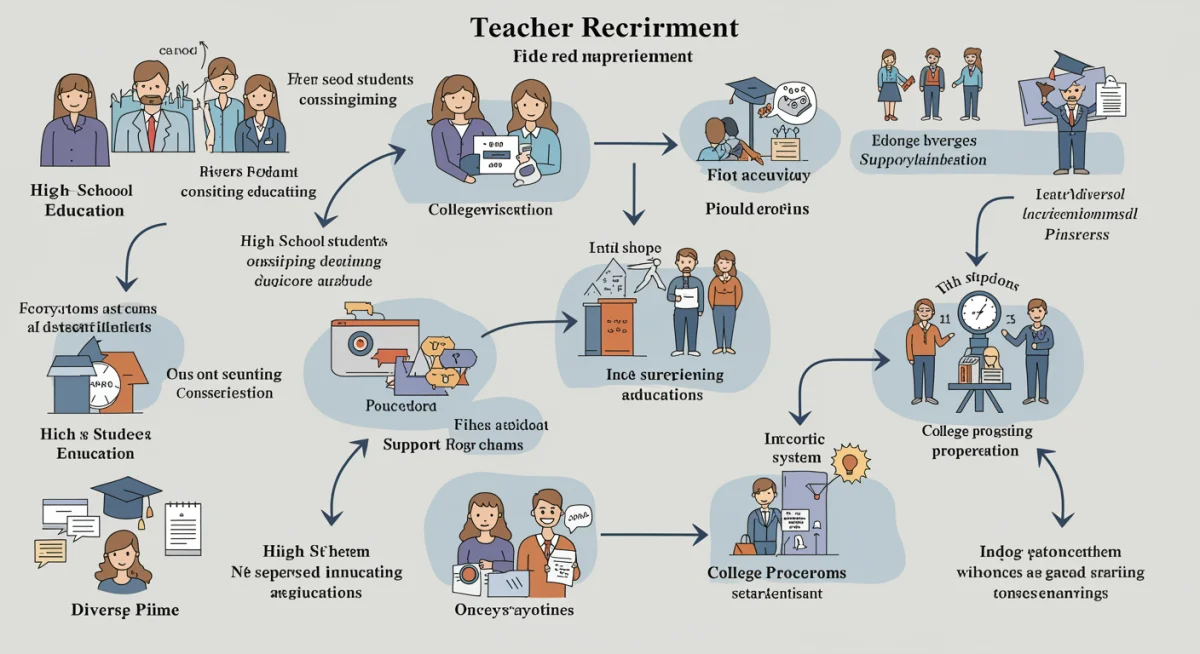
Cultivating Grow-Your-Own Programs and Local Talent
One of the most effective long-term strategies for addressing teacher shortages is to cultivate talent from within the community itself. ‘Grow-Your-Own’ (GYO) programs represent a powerful shift from external recruitment to internal development, fostering a sense of ownership and commitment among future educators. These initiatives identify promising local individuals and provide them with structured support to become certified teachers.
GYO programs often begin by targeting high school students, paraprofessionals, or even community members who express an interest in teaching. By offering early exposure to the profession, mentorship, and financial assistance for higher education, these programs create a direct pipeline from local schools to local classrooms. This approach not only addresses shortages but also promotes diversity within the teaching workforce, reflecting the student population.
Pathways for Local Talent
- High School Academies: Establishing education-focused academies or pathways within high schools that offer early college credit and hands-on experience in classrooms.
- Paraprofessional-to-Teacher Programs: Providing tuition assistance and flexible scheduling for current school support staff to earn their teaching credentials.
- Community Member Initiatives: Recruiting individuals from the local community who possess valuable life experience and a desire to serve, offering them accelerated certification routes.
- Teacher Cadet Programs: Allowing high school students to explore teaching as a career through internships and mentorships with experienced educators.
The benefits of GYO programs extend beyond simply filling vacancies. Teachers who come from the communities they serve often have a deeper understanding of the students’ backgrounds, cultural contexts, and specific needs. This cultural competency can lead to more effective instruction, stronger student-teacher relationships, and improved student outcomes. Furthermore, these educators tend to have higher retention rates, reducing the costly cycle of recruitment and turnover.
Investing in local talent also strengthens community ties. When students see familiar faces in the classroom, it reinforces the idea that education is a valuable and accessible career path. It can inspire a new generation to consider teaching, creating a self-sustaining cycle of talent development. For 2025 and beyond, prioritizing and expanding these grow-your-own initiatives will be paramount to building a resilient and representative teaching force.
Enhancing Teacher Preparation and Professional Development
Effective teacher recruitment doesn’t end with hiring; it critically depends on robust preparation and continuous professional development. Equipping new and existing educators with the skills, knowledge, and ongoing support they need is essential for both their success and their retention in the profession. This proactive approach ensures teachers feel competent and valued, reducing burnout and encouraging long-term commitment.
Traditional teacher preparation programs are evolving to meet the demands of modern classrooms, incorporating more practical experience, culturally responsive pedagogy, and technology integration. Partnerships between universities and school districts are becoming increasingly vital, allowing aspiring teachers to gain real-world experience under the guidance of mentor teachers, bridging the gap between theory and practice.
Key Areas for Enhancement
- Residency Programs: Year-long, paid apprenticeships that provide intensive, classroom-based training alongside experienced mentor teachers, often leading to certification.
- Mentorship and Induction: Structured programs for new teachers that offer consistent guidance, feedback, and emotional support during their critical first few years in the profession.
- Ongoing Professional Learning: Providing access to high-quality, relevant professional development that addresses current educational trends, best practices, and specific content area needs.
- Leadership Pathways: Creating opportunities for teachers to take on leadership roles within their schools and districts, offering career advancement without leaving the classroom.
Beyond initial preparation, continuous professional development is key to retaining experienced teachers. Offering opportunities for specialization, advanced degrees, or leadership roles can reignite passion and prevent stagnation. When teachers feel that their growth is invested in, they are more likely to stay and contribute their expertise to the school community. This also includes training in areas like classroom management, differentiated instruction, and socio-emotional learning, which are critical for navigating complex classroom environments.
Ultimately, a strong emphasis on enhancing teacher preparation and professional development creates a supportive ecosystem for educators. It signals that their growth is a priority, fostering a sense of professionalism and commitment. For 2025, investing in these areas will not only attract high-quality candidates but also empower them to become effective, long-lasting assets to the education system, directly impacting student success.
Competitive Compensation and Incentives for Educators
The issue of competitive compensation stands as a cornerstone in any successful strategy for addressing teacher shortages. While passion for education is a powerful motivator, it cannot fully compensate for inadequate salaries and benefits that fail to reflect the demanding nature and critical importance of the teaching profession. Attracting and retaining top talent requires a financial package that is genuinely competitive with other professions.
Districts and states are increasingly exploring innovative compensation models that go beyond traditional salary schedules. These models aim to reward experience, performance, and the willingness to teach in high-needs areas or subjects. Such incentives can make a significant difference in a potential teacher’s decision to enter or remain in the profession, particularly when faced with student loan debt and rising living costs.
Innovative Compensation and Benefits
- Performance-Based Pay: Tying a portion of salary to student growth or other measurable outcomes, alongside robust evaluation systems.
- Loan Forgiveness Programs: Offering federal or state-funded loan forgiveness for teachers who commit to working in underserved areas or critical subject fields for a specified period.
- Housing Assistance: Providing subsidies or affordable housing options, especially in high-cost-of-living regions, to alleviate financial burdens.
- Tuition Reimbursement: Supporting teachers who pursue advanced degrees or certifications, investing in their professional growth.
Beyond base salaries, comprehensive benefits packages play a crucial role. This includes robust health insurance, retirement plans, and paid parental leave. These benefits contribute significantly to a teacher’s overall financial well-being and sense of security, making the profession a more attractive long-term career choice. Furthermore, addressing the cost of living in specific regions through localized incentives can be particularly effective.
It’s also important to consider non-monetary incentives that enhance job satisfaction. This could include increased autonomy in the classroom, reduced administrative burdens, access to high-quality resources, and a supportive school culture. While not directly financial, these factors contribute to a positive work environment that can be as powerful as monetary rewards in attracting and retaining educators. For 2025, a multi-faceted approach to compensation and incentives is vital for building a stable and motivated teaching force.
Fostering Supportive School Cultures and Work Environments
Beyond compensation and professional development, the daily reality of a teacher’s work environment significantly impacts their job satisfaction and decision to stay in the profession. Fostering supportive school cultures is paramount for addressing teacher shortages, as a positive and collaborative atmosphere can mitigate stress, prevent burnout, and cultivate a sense of belonging among educators.
A supportive school culture is characterized by strong leadership, open communication, and a shared vision for student success. It involves school administrators who are instructional leaders, providing clear expectations, constructive feedback, and protecting teachers’ time for core instructional duties. When teachers feel respected, heard, and supported by their leadership, they are more likely to thrive.
Elements of a Positive School Environment
- Effective Leadership: Principals and administrators who are visible, approachable, and actively support their teaching staff, advocating for their needs and providing necessary resources.
- Collaborative Opportunities: Dedicated time and structures for teachers to collaborate with colleagues, share best practices, and engage in peer-to-peer learning.
- Work-Life Balance Initiatives: Implementing policies that respect teachers’ personal time, such as reasonable meeting schedules, clear communication protocols, and opportunities for flexible work arrangements where feasible.
- Recognition and Appreciation: Regularly acknowledging teachers’ hard work and achievements, both formally and informally, to boost morale and reinforce their value.
Reducing administrative burdens is another critical aspect of creating a more supportive environment. Teachers often spend significant time on tasks outside of direct instruction, such as extensive paperwork, data entry, and non-instructional duties. Streamlining these processes or providing dedicated support staff can free up teachers to focus on teaching and student engagement, which are the most rewarding aspects of their job.
Furthermore, promoting a culture of wellness and mental health support for educators is increasingly vital. Teaching can be emotionally demanding, and providing access to resources like counseling, stress management programs, or even just a designated quiet space can make a substantial difference. By prioritizing the well-being of their staff, schools can create environments where teachers feel cared for, respected, and empowered to make a lasting impact. For 2025, prioritizing these cultural shifts will be as important as any recruitment drive.
Advocacy and Policy Changes for Long-Term Solutions
Addressing teacher shortages in the US requires not only immediate recruitment efforts but also sustained advocacy and significant policy changes at local, state, and federal levels. Without systemic reforms, short-term solutions risk becoming mere band-aids on a deeper structural issue. Long-term sustainability hinges on creating policies that elevate the teaching profession, attract diverse talent, and ensure equitable access to quality education for all students.
Policy changes must target the root causes of the shortage, including inadequate funding for public education, burdensome certification requirements, and a lack of support for teachers in challenging environments. Advocacy groups, educators, parents, and community leaders must unite to champion these changes, ensuring that education remains a top priority on the legislative agenda.
Key Policy Recommendations
- Increased Education Funding: Advocating for substantial and equitable increases in state and federal funding for K-12 education, directly impacting teacher salaries and resources.
- Streamlined Certification Pathways: Re-evaluating and, where appropriate, simplifying teacher certification processes to remove unnecessary barriers while maintaining high standards.
- Teacher Loan Forgiveness Expansion: Expanding and better funding federal and state loan forgiveness programs for teachers, particularly those in high-needs subjects or schools.
- Investing in Teacher Housing: Exploring and funding initiatives that provide affordable housing options for teachers in districts with high costs of living.
Beyond these specific policy areas, there needs to be a broader societal shift in how the teaching profession is perceived and valued. Public awareness campaigns can highlight the profound impact of teachers and the critical role they play in society, helping to restore the prestige of the profession. This cultural shift, supported by strong policy, can inspire a new generation to consider teaching as a noble and rewarding career path.
Furthermore, policymakers should prioritize data collection and analysis to better understand regional and subject-specific shortages, allowing for more targeted and effective interventions. Regular reviews of existing policies and their impact on teacher recruitment and retention are essential to ensure that solutions remain relevant and effective. For 2025 and beyond, a concerted effort in advocacy and policy reform will be the bedrock upon which a robust and thriving teaching profession is rebuilt, ensuring that every student has access to a highly qualified educator.
| Key Strategy | Brief Description |
|---|---|
| Digital Recruitment | Leveraging online platforms, social media, and virtual events to broaden reach and attract diverse candidates. |
| Grow-Your-Own Programs | Developing local talent pipelines from high school students to paraprofessionals to become certified teachers. |
| Competitive Compensation | Offering attractive salaries, benefits, and incentives like loan forgiveness to draw and retain skilled educators. |
| Supportive Culture | Cultivating positive school environments, strong leadership, and opportunities for teacher collaboration and well-being. |
Frequently Asked Questions About Teacher Shortages
The primary causes include low salaries, increased workload, lack of professional development opportunities, and insufficient public support. These factors collectively deter new talent from entering the profession and contribute to experienced educators leaving their roles.
‘Grow-Your-Own’ programs develop local talent by identifying and supporting individuals from within the community to become certified teachers. This approach fosters a deeper connection to the community, improves retention rates, and ensures a more diverse teaching workforce.
Technology enables broader reach through digital platforms, social media campaigns, and virtual career fairs. It allows for targeted advertising and efficient candidate screening, helping districts connect with a wider and more diverse pool of potential educators beyond traditional methods.
While competitive salaries are crucial, they are not the only solution. Comprehensive benefits, supportive school cultures, professional development, and reduced administrative burdens also significantly impact teacher retention. A holistic approach addressing both financial and environmental factors is most effective.
Long-term solutions require increased education funding, streamlined certification pathways, expanded loan forgiveness programs, and investment in affordable teacher housing. These policy shifts, coupled with public advocacy, can create a sustainable and attractive teaching profession.
Conclusion
The persistent teacher shortage in the United States demands a multi-faceted and innovative approach, moving beyond conventional methods to embrace holistic solutions. By focusing on competitive compensation, robust professional development, and the cultivation of supportive school cultures, districts can significantly enhance their ability to attract and retain high-quality educators. Furthermore, strategic advocacy for policy changes that address systemic issues will be crucial for long-term sustainability. The future of American education hinges on our collective commitment to valuing and investing in its most vital asset: its teachers. Implementing these innovative teacher recruitment strategies for 2025 is not just an option, but an imperative for ensuring every student receives the quality education they deserve.