Transportation Modernization Act: $50 Billion for Public Transit
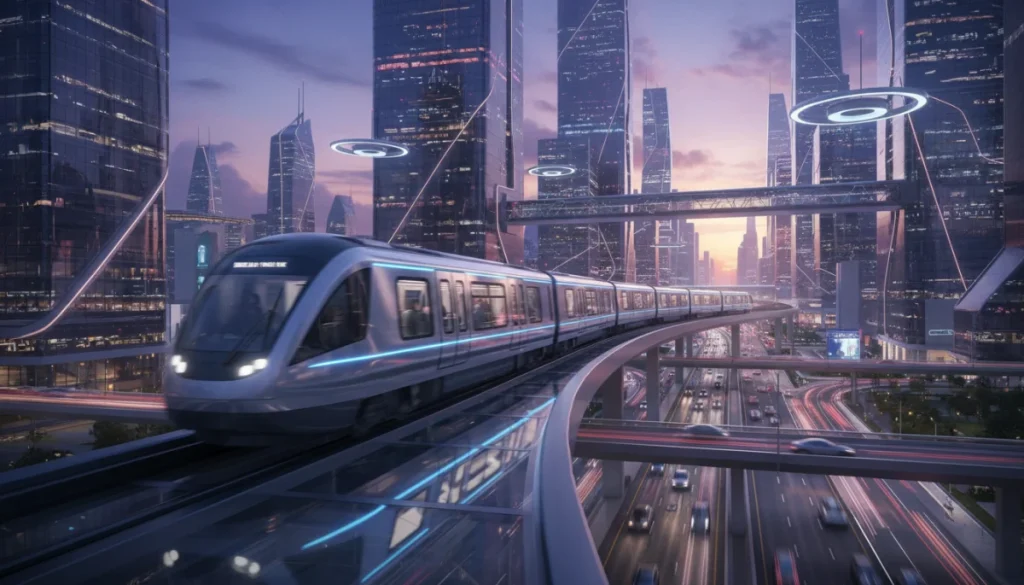
The Transportation Modernization Act: $50 Billion Allocated for Public Transit Upgrades Over Next 3 Years, Starting 2026, represents a monumental investment in America’s future mobility, aiming to revitalize and expand public transportation networks nationwide.
The announcement of the Transportation Modernization Act: $50 Billion Allocated for Public Transit Upgrades Over Next 3 Years, Starting 2026 marks a pivotal moment for infrastructure development across the United States. This significant investment, commencing in 2026, promises to reshape how millions of Americans commute, connect, and access essential services. What does this mean for your community, and how will this substantial funding transform the landscape of public transportation?
Understanding the Transportation Modernization Act
The Transportation Modernization Act is a landmark legislative initiative designed to address critical needs within the nation’s public transit systems. This act commits an unprecedented $50 billion over three years, specifically targeting upgrades and expansions that will enhance efficiency, accessibility, and sustainability. It’s a comprehensive plan reflecting a national commitment to modernizing our aging infrastructure and preparing for future population growth and environmental challenges.
Key Objectives of the Act
The primary goals of this legislation are multifaceted, aiming to deliver tangible benefits to communities across the country. By focusing on strategic investments, the act seeks to create a more robust and resilient public transit network.
- Improving Existing Infrastructure: Many transit systems operate with outdated equipment and facilities, leading to inefficiencies and service disruptions. The act prioritizes funding for repairs, renovations, and technological enhancements to current lines and stations.
- Expanding Service Reach: The funding will support projects that extend public transit into underserved urban, suburban, and rural areas, providing more equitable access to jobs, education, and healthcare.
- Fostering Sustainable Practices: A significant portion of the allocation is earmarked for projects that promote environmental sustainability, including the adoption of electric buses, renewable energy sources for transit operations, and the development of eco-friendly infrastructure materials.
- Enhancing Passenger Experience: Investments will also focus on improving passenger comfort, safety, and convenience through better station amenities, real-time information systems, and integrated ticketing solutions.
In essence, the Transportation Modernization Act is not just about spending money; it’s about strategically investing in a future where public transit is a reliable, accessible, and environmentally responsible choice for all Americans. The implications extend beyond mere convenience, impacting economic development, social equity, and environmental health.
The $50 Billion Allocation: Where Will the Money Go?
The substantial sum of $50 billion is not simply a blanket allocation but rather a carefully structured distribution designed to maximize impact across diverse transit needs. The funds will be channeled through various federal programs, state grants, and local initiatives, ensuring that both large-scale urban projects and smaller community-focused improvements receive necessary support. This strategic dispersal aims to foster innovation and address specific regional challenges.
Breakdown of Funding Priorities
Several key areas will receive significant portions of the funding, reflecting the act’s broad objectives. The focus is on creating a balanced approach that supports immediate needs while also investing in long-term solutions.
- Urban Core Revitalization: Major metropolitan areas will see substantial investments in subway, light rail, and bus rapid transit systems. These projects often involve complex engineering and significant capital, aimed at alleviating congestion and improving connectivity in dense urban environments.
- Regional Connectivity: Funds will also support intercity bus services and commuter rail lines, enhancing links between cities and their surrounding suburbs and exurbs. This improves regional economic integration and reduces reliance on personal vehicles for longer commutes.
- Rural Transit Expansion: Recognizing the unique challenges faced by rural communities, a dedicated portion of the funds will be allocated to expanding and modernizing rural public transportation options, ensuring residents have access to essential services and opportunities.
- Technological Innovation: Investments in smart transit technologies, such as autonomous shuttles, predictive maintenance systems, and integrated mobility platforms, are crucial for future-proofing transit networks. This includes pilot programs for emerging technologies that can revolutionize transit efficiency and user experience.
The allocation strategy demonstrates a commitment to a holistic approach to public transportation. By targeting a range of project types and geographic areas, the act seeks to create a more equitable and efficient national transit system. This comprehensive investment is poised to deliver widespread benefits, from reducing commute times to fostering sustainable urban development.
Impact on Communities: Urban, Suburban, and Rural
The ripple effects of the Transportation Modernization Act will be felt far and wide, touching every type of community across the United States. From the bustling streets of major cities to the quiet roads of rural towns, the $50 billion investment promises to bring about transformative changes in daily life and economic opportunity. The goal is to ensure that no community is left behind in the quest for modern and efficient public transit.
Transforming Urban Centers
Urban areas, often grappling with severe congestion and air quality issues, stand to gain immensely. Enhanced public transit means fewer cars on the road, leading to reduced traffic, cleaner air, and a higher quality of life for residents. New lines and expanded services will connect more people to jobs, educational institutions, and cultural centers, fostering economic growth and social mobility.
Benefits for Suburban Areas
Suburban communities, increasingly integrated into metropolitan economies, will benefit from improved commuter rail and bus services. This will ease the burden of long, costly commutes, allowing residents to access urban opportunities without the heavy reliance on private vehicles. It also supports transit-oriented development, creating more walkable and vibrant suburban centers.
Empowering Rural Regions
For rural communities, the act represents a lifeline. Often isolated and lacking robust transportation options, rural residents frequently face challenges accessing healthcare, employment, and essential services. The funding will help establish or expand demand-response transit, intercity bus connections, and other flexible services tailored to rural needs, bridging critical accessibility gaps. This investment aims to connect these areas more effectively to regional hubs, combating rural economic stagnation.
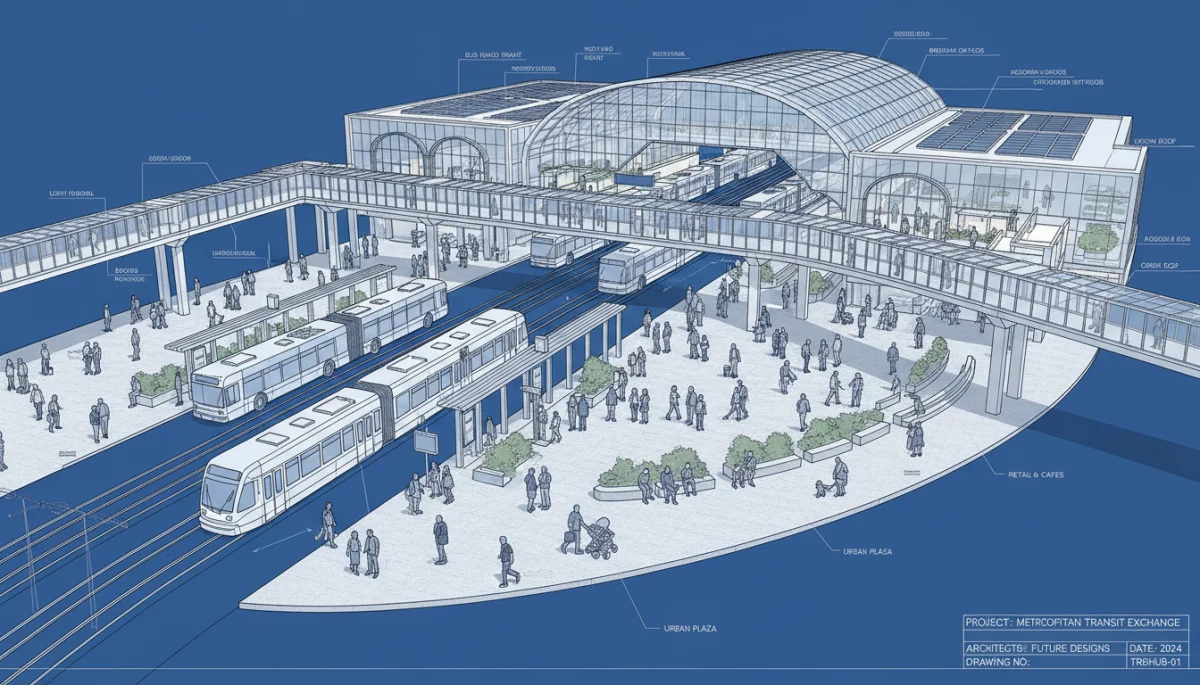
Ultimately, the act aims to create a more interconnected and equitable nation, where geographic location does not dictate access to opportunity. By addressing the specific needs of each community type, the investment in public transit upgrades will build a more resilient and inclusive America.
Sustainable Transportation and Environmental Benefits
A core tenet of the Transportation Modernization Act is its strong emphasis on sustainability. The $50 billion allocation is not merely for moving people more efficiently but also for doing so in an environmentally responsible manner. This commitment reflects a growing national awareness of climate change and the critical role public transit plays in mitigating its effects. Investments will prioritize projects that reduce carbon emissions, improve air quality, and promote healthier urban environments.
Driving Green Initiatives
The act encourages a shift towards cleaner, more sustainable modes of transportation. This includes significant funding for the electrification of bus fleets, a move that dramatically reduces tailpipe emissions and noise pollution in urban areas. Investment in charging infrastructure and renewable energy sources to power transit operations is also a key component, ensuring that the entire transit ecosystem is as green as possible.
Reducing Carbon Footprint
By making public transit a more attractive and viable option, the act aims to encourage fewer individual car trips. This shift directly translates into a reduction in overall carbon emissions, contributing to national climate goals. Furthermore, the development of pedestrian and cycling infrastructure alongside transit hubs promotes active transportation, offering additional health and environmental benefits.
- Electric Bus Adoption: Accelerated transition to zero-emission vehicles, reducing reliance on fossil fuels.
- Renewable Energy Integration: Powering transit facilities and operations with solar, wind, and other clean energy sources.
- Green Infrastructure Development: Utilizing sustainable materials and designs for new stations and tracks, minimizing environmental impact.
- Mode Shift Encouragement: Incentivizing commuters to choose public transit over private vehicles, lowering collective emissions.
The dedication to sustainable practices within the Transportation Modernization Act underscores a forward-thinking approach to infrastructure. It recognizes that true modernization involves not only efficiency but also ecological responsibility, paving the way for a healthier planet and more livable communities.
Economic Implications and Job Creation
Beyond its direct impact on transportation, the Transportation Modernization Act is poised to deliver significant economic benefits, stimulating growth and creating a multitude of jobs across various sectors. The infusion of $50 billion into infrastructure projects will act as a powerful economic catalyst, generating both immediate and long-term prosperity. This investment is not just about moving people; it’s about building an economy that is more robust and resilient.
Direct and Indirect Job Growth
The construction and operation of new and upgraded transit systems will necessitate a vast workforce. This includes engineers, construction workers, project managers, skilled tradespeople, and administrative staff. Furthermore, indirect job creation will occur in industries that supply materials, technology, and services to these projects. The manufacturing sector, for example, will see increased demand for components used in modern trains, buses, and signaling systems.
Boosting Local Economies
Improved public transit enhances accessibility to employment centers, making it easier for people to commute and participate in the workforce. This increased labor mobility can reduce unemployment rates and boost productivity. Additionally, transit-oriented development (TOD) around new stations can revitalize neighborhoods, attracting businesses, housing, and retail, thereby creating vibrant economic hubs. Property values near efficient transit lines often increase, contributing to local tax bases.
- Construction Boom: Demand for labor in civil engineering, building trades, and construction management.
- Manufacturing Boost: Increased production of transit vehicles, parts, and infrastructure materials.
- Service Sector Growth: New businesses and services emerging around enhanced transit hubs.
- Increased Productivity: Reduced commute times and better access to jobs for the workforce.
The economic ripple effect of the Transportation Modernization Act extends far beyond the construction phase. By fostering better connectivity and supporting sustainable development, the act lays the groundwork for sustained economic growth and opportunity for years to come. It represents an investment in human capital and community prosperity, demonstrating how infrastructure spending can drive broad-based economic recovery and future resilience.
Challenges and Future Outlook for Public Transit Upgrades
While the Transportation Modernization Act presents an exciting vision for the future of public transit, its implementation will undoubtedly face various challenges. Securing $50 billion is a monumental first step, but the journey to fully realizing its potential requires careful planning, effective execution, and continuous adaptation. Understanding these hurdles is crucial for ensuring the success and longevity of these vital infrastructure improvements.
Navigating Implementation Hurdles
One primary challenge lies in the coordination across federal, state, and local agencies. Large-scale infrastructure projects require seamless collaboration, often involving complex permitting processes, land acquisition, and environmental impact assessments. Ensuring that funds are distributed efficiently and projects stay on schedule and within budget will demand robust oversight and transparent accountability mechanisms. Public-private partnerships may also play a crucial role in overcoming funding gaps and leveraging specialized expertise.
Addressing Evolving Needs
The landscape of urban and rural mobility is constantly evolving, influenced by factors such as remote work trends, technological advancements, and demographic shifts. Future transit systems must be flexible and adaptable to these changes. Investing in future-proof technologies and designs, while difficult, is essential to ensure that today’s upgrades remain relevant and effective for decades to come. Community engagement will also be vital to ensure that new transit solutions truly meet the needs of the people they serve.
- Inter-Agency Coordination: Streamlining processes between different governmental bodies.
- Technological Integration: Ensuring new and existing systems work together seamlessly.
- Public Acceptance: Gaining community support for new routes and construction projects.
- Long-Term Maintenance: Establishing sustainable funding models for ongoing upkeep of new infrastructure.
Despite these challenges, the outlook for public transit in the United States is brighter than ever thanks to the Transportation Modernization Act. The commitment of $50 billion signals a renewed national focus on sustainable, accessible, and efficient transportation. By proactively addressing potential obstacles and fostering innovation, the nation can build a public transit system that truly serves the needs of all Americans, setting a new standard for infrastructure development in the 21st century.
| Key Aspect | Description |
|---|---|
| Funding Amount | $50 billion allocated for public transit. |
| Timeline | Over the next 3 years, starting in 2026. |
| Key Focus | Upgrades, expansions, and sustainable practices for public transit. |
| Impact | Enhanced mobility, economic growth, and environmental benefits across all communities. |
Frequently Asked Questions About the Transportation Modernization Act
The primary goal is to allocate $50 billion for significant upgrades and expansions of public transit systems across the United States over three years, starting in 2026, aiming to enhance efficiency, accessibility, and sustainability.
All communities—urban, suburban, and rural—are set to benefit. Urban areas will see congestion relief, suburban areas improved commuter links, and rural regions enhanced access to essential services, fostering equitable mobility nationwide.
The Act heavily invests in green initiatives, including electrifying bus fleets, integrating renewable energy, and promoting infrastructure that reduces carbon emissions and improves air quality, moving towards a more eco-friendly transit system.
The investment is expected to generate significant job growth in construction, manufacturing, and related sectors. It will also boost local economies by improving access to employment and encouraging transit-oriented development, leading to widespread prosperity.
The allocation of $50 billion for public transit upgrades under the Transportation Modernization Act is scheduled to commence in 2026, with projects rolling out over the subsequent three years.
A New Era for American Public Transit
The Transportation Modernization Act: $50 Billion Allocated for Public Transit Upgrades Over Next 3 Years, Starting 2026, represents a monumental commitment to transforming America’s transportation landscape. This substantial investment not only promises to enhance mobility and connectivity across urban, suburban, and rural communities but also underscores a national dedication to sustainability and economic growth. While challenges in implementation and adaptation to future needs will undoubtedly arise, the groundwork has been laid for a public transit system that is more efficient, equitable, and environmentally responsible, ushering in a new era of infrastructure development for the United States.