DOT’s $20 Billion 2026 Roadway Safety Enhancements Revealed
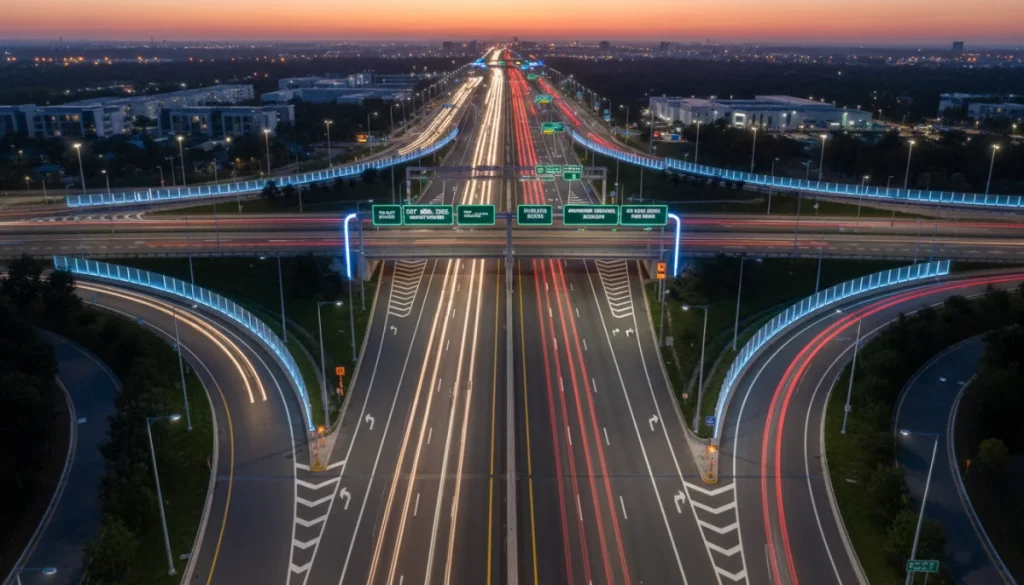
The Department of Transportation will invest $20 billion in 2026 to implement significant roadway safety enhancements, focusing on infrastructure upgrades, advanced technologies, and improved traffic management across the nation.
The Department of Transportation Reveals 2026 Safety Enhancements: $20 Billion Investment in Roadways, signaling a pivotal moment for infrastructure and public safety in the United States. This monumental commitment aims to drastically reduce traffic fatalities and injuries, fostering a safer, more efficient transportation network for all Americans. What will these enhancements mean for our daily commutes and long-distance travels?
Understanding the $20 Billion Investment Scope
The Department of Transportation’s recent announcement of a $20 billion investment marks a significant step towards revolutionizing roadway safety across the nation. This substantial funding is not merely a budget allocation; it represents a comprehensive strategy designed to address the multifaceted challenges currently plaguing America’s roads. The investment targets a broad spectrum of initiatives, from upgrading aging infrastructure to deploying cutting-edge technologies, all with the singular goal of making travel safer for everyone.
This isn’t a piecemeal approach. Instead, it’s a holistic endeavor that recognizes the interconnectedness of various factors contributing to road safety. From urban centers to rural highways, the DOT’s plan aims to implement standardized, effective solutions that will have a lasting impact. The focus extends beyond accident prevention to include improved emergency response times and better traffic flow, ultimately enhancing the overall quality of life for commuters and travelers.
Key Investment Areas
The $20 billion will be strategically distributed across several critical areas to maximize its impact on roadway safety. These areas have been identified through extensive research and analysis of accident data, traffic patterns, and existing infrastructure deficiencies.
- Smart Infrastructure Development: Funding for intelligent transportation systems, including networked traffic signals, real-time accident detection, and adaptive road lighting.
- Hazardous Roadway Remediation: Projects aimed at redesigning dangerous intersections, widening critical road segments, and installing improved guardrails and median barriers.
- Pedestrian and Cyclist Safety: Development of dedicated bike lanes, improved crosswalks, and pedestrian-friendly urban planning to protect vulnerable road users.
- Technological Integration: Investment in vehicle-to-infrastructure (V2I) communication systems and advanced driver-assistance systems (ADAS) to prevent collisions.
The scope of this investment underscores a proactive stance by the DOT, moving beyond reactive measures to implement preventative strategies that leverage both traditional engineering and modern technological advancements. The goal is to build roads that are inherently safer, reducing the margin for human error and mitigating the severity of incidents when they do occur. This forward-thinking approach is expected to set new benchmarks for road safety standards nationwide.
Advanced Technological Integration for Safer Roads
A cornerstone of the Department of Transportation’s 2026 safety enhancements is the aggressive integration of advanced technologies into roadway infrastructure. The $20 billion investment will fund initiatives that move beyond traditional engineering, embracing the power of data, connectivity, and automation to create a more resilient and responsive transportation system. This technological leap is crucial for addressing contemporary safety challenges, such as distracted driving and increasingly complex traffic scenarios.
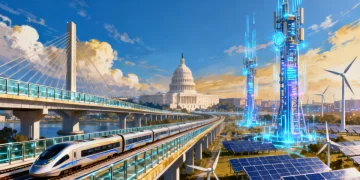
The vision is to create ‘smart roads’ that can communicate with vehicles, alert drivers to potential hazards, and even dynamically manage traffic flow in real-time. This approach promises a significant reduction in accidents by providing drivers with more information and by automating certain aspects of traffic management that were previously reliant on human observation and intervention. The deployment of these technologies will be phased, starting with high-risk areas and gradually expanding across the national network.
Smart Traffic Management Systems
One of the most impactful technological advancements will be the widespread adoption of smart traffic management systems. These systems use sensors, cameras, and AI-powered analytics to optimize traffic flow and prevent congestion, which often contributes to accidents.
- Adaptive Signal Control: Traffic lights that adjust timing based on real-time traffic volume, reducing wait times and the likelihood of red-light running.
- Incident Detection and Response: Automated systems that can detect accidents, stalled vehicles, or debris on the road almost instantaneously, dispatching emergency services faster and alerting approaching drivers.
- Dynamic Message Signs: Digital signs that provide real-time updates on traffic conditions, construction zones, and weather hazards, empowering drivers to make informed decisions.
Vehicle-to-Infrastructure (V2I) Communication
Another critical area of technological focus is the development and implementation of Vehicle-to-Infrastructure (V2I) communication systems. These systems allow vehicles to directly exchange data with road infrastructure components, opening up new avenues for accident prevention.
Imagine your car receiving an alert about an icy patch just around the bend, or being warned about a pedestrian crossing ahead that’s obscured from view. V2I technology makes this possible, providing drivers with crucial information well in advance of potential dangers. This connectivity also supports the future of autonomous vehicles by giving them a richer understanding of their environment, enhancing their ability to navigate safely.
The integration of these advanced technologies represents a paradigm shift in roadway safety. By leveraging the power of connectivity and intelligent systems, the DOT aims to create a transportation network that is not only safer but also more efficient and responsive to the needs of its users. This technological evolution is a key component of the overall $20 billion investment, promising a future where road accidents are significantly reduced.
Upgrading Aging Infrastructure and Road Design
Beyond cutting-edge technology, a substantial portion of the Department of Transportation’s $20 billion investment is earmarked for the fundamental task of upgrading and redesigning America’s aging roadway infrastructure. Decades of wear and tear, coupled with evolving traffic patterns and vehicle types, have left many roads and bridges in need of significant improvements. This initiative directly addresses the physical aspects of the transportation network that contribute to accidents and inefficiencies.
The focus here is on structural integrity, improved materials, and design principles that enhance safety for all road users. This includes everything from resurfacing deteriorated highways to rebuilding hazardous bridges and overpasses. The goal is to create a more resilient and forgiving road environment, where design flaws that once contributed to collisions are systematically eliminated, and infrastructure can better withstand the demands placed upon it.
Improving Roadway Surfaces and Markings
One of the most immediate and visible improvements will be the enhancement of roadway surfaces and markings. Smooth, well-maintained roads reduce the risk of hydroplaning and provide better traction, while clear, highly visible markings guide drivers effectively, especially in adverse weather conditions.
- High-Friction Surfacing: Application of specialized materials in high-risk areas like curves and intersections to increase tire grip and reduce braking distances.
- Enhanced Lane Markings: Utilization of durable, reflective paints and raised pavement markers that improve visibility day and night, even in rain or fog.
- Rumble Strips: Installation along highway shoulders and centerlines to alert drowsy or distracted drivers when they drift out of their lane.
These seemingly simple upgrades have a profound impact on driver behavior and accident prevention. By providing clearer guidance and better road conditions, the DOT aims to reduce instances of lane departures, head-on collisions, and loss of control.
Redesigning Dangerous Intersections and Road Segments
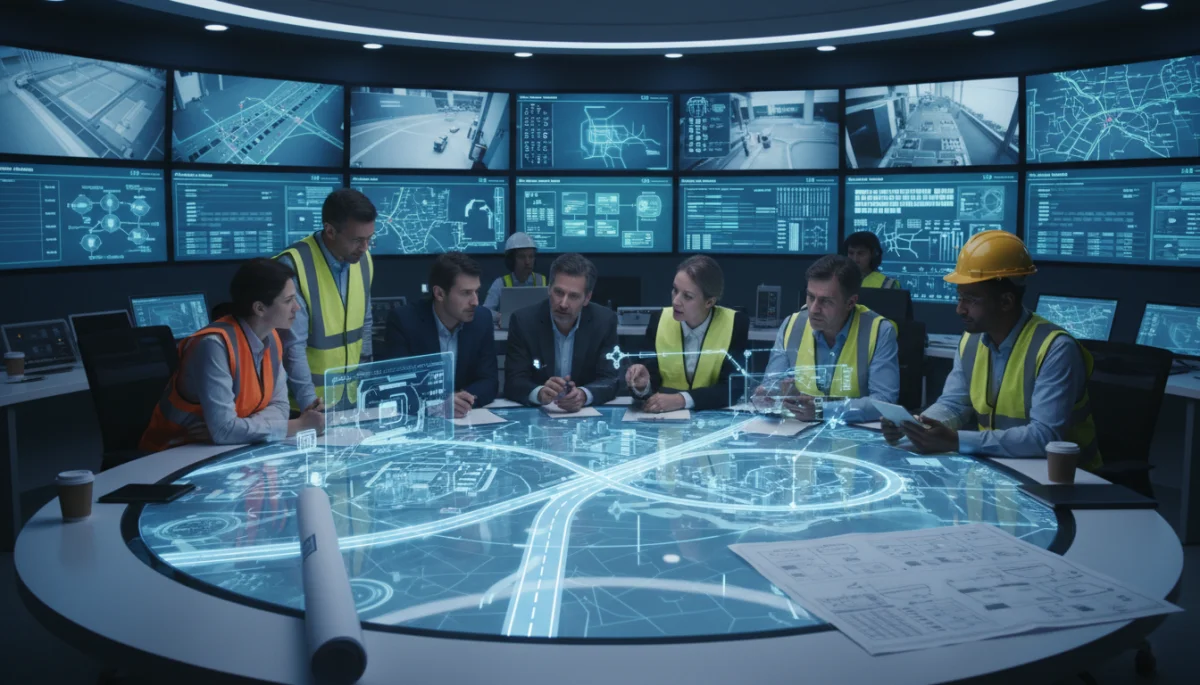
A critical component of the infrastructure upgrade involves identifying and redesigning the most dangerous intersections and road segments. These ‘hot spots’ often account for a disproportionate number of accidents due to their layout, traffic volume, or visibility issues.
The redesign efforts will include implementing roundabouts, which have been proven to significantly reduce severe crashes, improving sightlines at intersections, and adding dedicated turn lanes to streamline traffic flow. Furthermore, vulnerable areas like steep grades or sharp curves will be re-engineered to provide safer passage. This targeted approach ensures that funding is directed where it can have the most substantial impact on preventing serious injuries and fatalities. The focus on these specific problem areas demonstrates a data-driven strategy to maximize the return on the $20 billion investment in terms of saved lives and reduced accident costs.
Prioritizing Vulnerable Road Users: Pedestrians and Cyclists
The Department of Transportation’s 2026 safety enhancements extend beyond vehicle-centric improvements, placing a strong emphasis on protecting the most vulnerable road users: pedestrians and cyclists. As urban environments become denser and more people choose alternative modes of transportation, ensuring their safety is paramount. The $20 billion investment includes dedicated funding to create infrastructure that actively separates and safeguards pedestrians and cyclists from vehicular traffic.
This commitment acknowledges that a truly safe transportation system must cater to all its users, not just those in automobiles. Initiatives will focus on urban planning, targeted infrastructure projects, and educational campaigns designed to foster a culture of shared responsibility on the roads. The goal is to reduce the alarming rates of pedestrian and cyclist fatalities and injuries, making walking and biking safer and more appealing options for communities nationwide.
Dedicated Infrastructure for Non-Motorized Travel
A key strategy involves the creation and expansion of dedicated infrastructure that provides physical separation between pedestrians, cyclists, and motor vehicles. This separation is crucial for mitigating the risk of collisions and enhancing the sense of safety for non-motorized travelers.
- Protected Bike Lanes: Construction of bike lanes physically separated from traffic by barriers, parked cars, or raised curbs, providing a safer corridor for cyclists.
- Expanded Sidewalk Networks: Widening existing sidewalks and building new ones, ensuring continuous and accessible routes for pedestrians, especially in high-traffic areas.
- Shared-Use Paths: Development of multi-use trails that accommodate both pedestrians and cyclists, often in green spaces or along waterways, offering recreational and commuting options.
These infrastructure projects are not just about safety; they also promote healthier lifestyles and reduce carbon emissions by encouraging active transportation. By investing in these facilities, the DOT aims to create communities where walking and cycling are not only safe but also convenient and enjoyable.
Enhanced Crosswalks and Intersection Safety
Intersections are particularly dangerous for pedestrians and cyclists, often being the site of severe collisions. The DOT’s plan includes significant upgrades to improve safety at these critical junctures.
This involves installing highly visible crosswalks with distinct markings, such as zebra stripes, and implementing innovative traffic signal timings that provide exclusive pedestrian crossing phases. Furthermore, leading pedestrian intervals (LPIs) will be widely adopted, giving pedestrians a head start before vehicles receive a green light, increasing their visibility and reducing conflicts. The use of advanced lighting and signage will also play a role, ensuring that both drivers and vulnerable road users are clearly aware of each other’s presence and intentions. These targeted improvements at intersections are expected to yield substantial reductions in pedestrian and cyclist injuries, marking a significant step forward in urban safety.
The Role of Data and Analytics in Safety Enhancements
The Department of Transportation’s $20 billion investment in roadway safety for 2026 is underpinned by a sophisticated reliance on data and analytics. This isn’t just about spending money; it’s about spending it wisely, guided by evidence and measurable outcomes. The DOT recognizes that understanding the ‘why’ behind accidents is as crucial as implementing the ‘how’ for prevention. Therefore, a significant portion of the initiative focuses on enhancing data collection, analysis, and dissemination capabilities.
By leveraging advanced analytical tools, the DOT aims to identify high-risk areas, pinpoint common accident causes, and evaluate the effectiveness of various safety interventions in real-time. This data-driven approach ensures that resources are allocated efficiently to projects that promise the greatest reduction in fatalities and injuries, moving away from anecdotal evidence towards scientifically informed decision-making. The goal is to create a continuous feedback loop where data informs policy, policy drives action, and outcomes are rigorously measured.
Enhanced Data Collection and Reporting
A fundamental aspect of this data-centric strategy is the improvement of how accident and incident data are collected and reported across all jurisdictions.
- Standardized Reporting Protocols: Implementing uniform data collection standards nationwide to ensure consistency and comparability of information.
- Real-Time Data Streams: Utilizing sensors and smart infrastructure to gather real-time traffic and incident data, providing a dynamic picture of roadway conditions.
- Integration of Diverse Data Sources: Combining traditional accident reports with data from telematics, weather services, and even social media to create a richer, more comprehensive dataset.
This enhanced data ecosystem will enable transportation planners and engineers to gain deeper insights into accident patterns, identify emerging risks, and understand the complex interplay of factors contributing to road safety challenges. The accuracy and timeliness of this data are paramount for effective intervention.
Predictive Analytics and Risk Assessment
With a robust dataset, the DOT can then employ predictive analytics to anticipate future risks and proactively implement preventative measures. This represents a significant shift from reactive to proactive safety management.
Predictive models can identify segments of road or intersections that are likely to become high-accident zones based on various parameters like traffic volume, weather patterns, and historical incident data. Furthermore, these analytics can help assess the potential impact of new infrastructure projects or policy changes before they are even implemented, allowing for optimized design and resource allocation. This forward-looking approach ensures that the $20 billion investment is not just addressing past problems but is also building a safer future, making the entire transportation system more resilient and less prone to systemic failures.
Community Engagement and Public Awareness Campaigns
While infrastructure upgrades and technological advancements form the backbone of the Department of Transportation’s 2026 safety enhancements, the human element remains undeniably critical. The $20 billion investment recognizes that even the safest roads can be compromised by unsafe driving behaviors. Therefore, a significant portion of the initiative is dedicated to robust community engagement and comprehensive public awareness campaigns, aiming to foster a culture of responsibility and vigilance among all road users.
These campaigns are designed to educate the public about new safety features, raise awareness about common hazards, and encourage safer practices such as avoiding distracted driving, adhering to speed limits, and respecting vulnerable road users. The goal is to create a collective understanding of road safety as a shared responsibility, where every individual plays a role in preventing accidents and saving lives. This multi-pronged approach ensures that the physical improvements are complemented by a behavioral shift, maximizing the overall impact of the investment.
Educational Initiatives for All Ages
Effective public awareness starts with education, and the DOT’s plan includes tailored educational initiatives for various age groups, from young drivers to seasoned commuters.
- Driver Education Program Enhancements: Updating driver’s license curricula to include new technologies, road design changes, and a stronger emphasis on defensive driving techniques.
- School-Based Safety Programs: Partnering with schools to teach children about pedestrian and cycling safety, emphasizing safe routes to school and the importance of helmets.
- Senior Driver Workshops: Offering specialized programs for older adults to help them adapt to new road conditions and technologies, and to understand age-related driving challenges.
By targeting education across the lifespan, the DOT aims to instill lifelong safe habits and ensure that all road users are equipped with the knowledge needed to navigate the evolving transportation landscape responsibly. These educational efforts are foundational to achieving a sustained reduction in accidents.
Targeted Public Information Campaigns
In addition to educational programs, widespread public information campaigns will be launched to address specific high-risk behaviors and promote positive changes. These campaigns will utilize various media channels to reach a broad audience.
Campaigns will focus on critical issues such as the dangers of impaired driving (including alcohol and drug impairment), the importance of seatbelt usage for all occupants, and the risks associated with speeding. They will also highlight the benefits of new safety technologies being implemented, encouraging drivers to understand and utilize features like adaptive cruise control or lane-keeping assist. By consistently reinforcing key safety messages and explaining the rationale behind them, the DOT seeks to influence public perception and behavior, making safer choices the default for all individuals on the road. This integrated approach of infrastructure, technology, and human behavior is key to the success of the $20 billion investment.
Anticipated Impact and Future Outlook
The Department of Transportation’s revelation of its 2026 safety enhancements, backed by an unprecedented $20 billion investment, are poised to usher in a new era of roadway safety across the United States. The anticipated impact extends far beyond a mere reduction in accident statistics; it promises to transform the daily lives of millions of Americans, enhancing economic productivity, improving public health, and fostering a greater sense of security on our roads. This comprehensive plan is not just about fixing problems but about building a more resilient, intelligent, and human-centric transportation system for the future.
The long-term outlook is one of continuous improvement, with the initial $20 billion serving as a catalyst for ongoing innovation and adaptation. The DOT’s commitment signals a sustained effort to maintain America’s leadership in transportation safety, ensuring that our infrastructure keeps pace with technological advancements and societal needs. This investment is a testament to the belief that every life saved and every injury prevented contributes to a stronger, healthier nation.
Measurable Outcomes and Economic Benefits
The success of the 2026 safety enhancements will be measured through a variety of key performance indicators, with a strong focus on tangible results.
- Reduced Fatalities and Injuries: The primary goal is a significant decrease in the number of road-related deaths and severe injuries nationwide.
- Decreased Congestion: Smart traffic management systems are expected to reduce travel times and fuel consumption, leading to economic savings and environmental benefits.
- Lower Accident-Related Costs: A reduction in accidents translates to fewer emergency service deployments, lower healthcare costs, and decreased property damage, benefiting both individuals and the public purse.
These measurable outcomes will provide clear evidence of the return on investment, demonstrating the profound positive impact of the DOT’s initiatives. The economic benefits alone are expected to far outweigh the initial $20 billion expenditure, making this a fiscally responsible and socially beneficial undertaking.
A Blueprint for Sustainable Safety
Looking ahead, the 2026 safety enhancements are intended to serve as a blueprint for sustainable safety practices and continuous improvement. The data collection and analytical frameworks established will provide ongoing insights, allowing the DOT to refine its strategies and adapt to new challenges as they emerge.
This includes anticipating the impact of future vehicle technologies, such as advanced autonomous driving systems, and ensuring that road infrastructure is ready to support these innovations safely. The emphasis on community engagement and public education also lays the groundwork for a culture of safety that endures beyond specific campaigns. Ultimately, the $20 billion investment is not just about the projects it funds but about establishing a lasting legacy of safety, efficiency, and technological leadership for America’s roadways, setting a new standard for global transportation infrastructure.
| Key Initiative | Brief Description |
|---|---|
| Smart Infrastructure | Deployment of intelligent transportation systems, V2I communication, and real-time traffic management. |
| Infrastructure Upgrades | Renovation of aging roads, bridges, and dangerous intersections; improved surfaces and markings. |
| Vulnerable Road Users | Dedicated infrastructure for pedestrians and cyclists, enhanced crosswalks, and intersection safety. |
| Data-Driven Safety | Enhanced data collection, analytics, and predictive modeling to inform safety strategies and resource allocation. |
Frequently Asked Questions About 2026 Roadway Safety
The primary goal is to significantly enhance roadway safety across the United States by reducing traffic fatalities and injuries through a comprehensive approach involving infrastructure upgrades, technological integration, and public awareness campaigns by 2026.
Technology will play a crucial role through intelligent transportation systems, real-time incident detection, adaptive traffic signals, and Vehicle-to-Infrastructure (V2I) communication, aiming to create ‘smart roads’ that actively prevent accidents and manage traffic more efficiently.
Absolutely. A significant portion of the investment is dedicated to protecting vulnerable road users by creating protected bike lanes, expanding sidewalk networks, and enhancing crosswalks and intersection safety features to reduce collisions.
Effectiveness will be measured by key performance indicators including reduced fatalities and injuries, decreased traffic congestion, and lower accident-related economic costs. Data analytics will continuously monitor outcomes and inform ongoing strategies.
Public awareness and community engagement are vital. Campaigns will educate drivers on new safety features, promote safe driving behaviors like avoiding distraction, and foster a shared responsibility for road safety among all users.
Conclusion
The Department of Transportation’s revelation of its 2026 safety enhancements, backed by an unprecedented $20 billion investment, marks a transformative moment for American roadways. This comprehensive initiative, spanning advanced technological integration, critical infrastructure upgrades, and a dedicated focus on vulnerable road users, sets a new standard for national road safety. By adopting a data-driven approach and emphasizing collective responsibility through public engagement, the DOT is not merely addressing current challenges but actively building a safer, more efficient, and resilient transportation future for generations to come. The anticipated impact on reducing fatalities, improving traffic flow, and fostering a culture of safety underscores the profound and lasting benefits of this monumental commitment.