Education Department Unveils 2026 Grant Program: $10 Billion for STEM
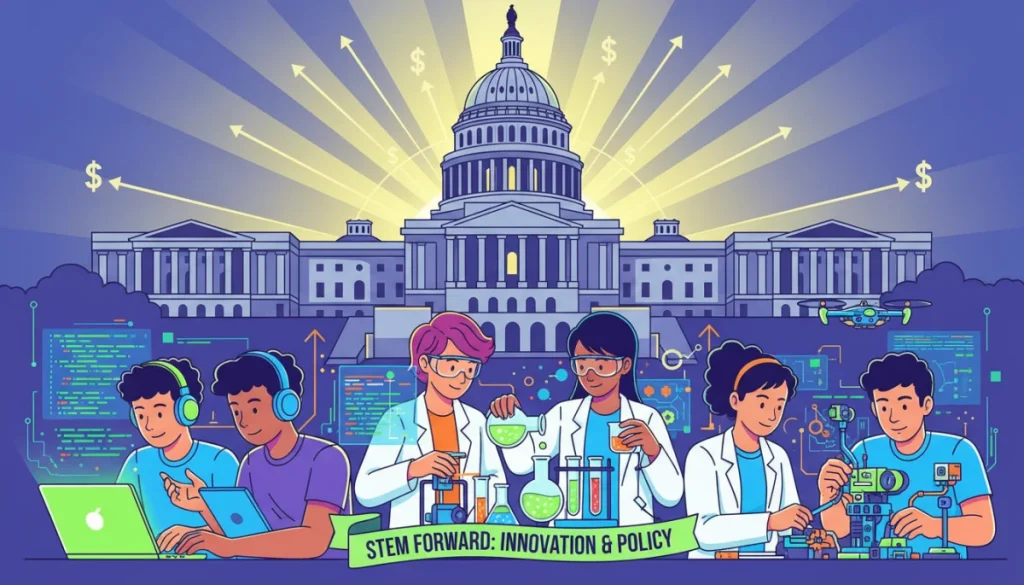
The Education Department is set to launch a monumental $10 billion grant program in 2026, dedicated to advancing STEM initiatives and fostering innovation across all levels of education nationwide.
The United States Education Department has just announced a groundbreaking plan for 2026: a massive $10 billion allocated for STEM initiatives. This significant investment is poised to reshape the landscape of science, technology, engineering, and mathematics education across the nation. What does this mean for students, educators, and the future of American innovation?
Understanding the 2026 STEM Grant Program
The recently unveiled 2026 STEM Grant Program by the Education Department represents an unprecedented commitment to strengthening the nation’s scientific and technological foundation. This initiative aims to address critical gaps in STEM education, foster a new generation of innovators, and ensure the United States remains a global leader in these vital fields. The allocation of $10 billion underscores the urgency and importance placed on these areas.
This program is not merely about funding; it’s about creating a sustainable ecosystem for STEM growth. It seeks to empower educational institutions from K-12 schools to higher education establishments with the resources needed to implement cutting-edge curricula, provide hands-on learning experiences, and support dedicated educators. The long-term vision extends beyond graduation, aiming to prepare a workforce capable of tackling future challenges and driving economic prosperity.
Key Objectives of the Funding
The grant program has several core objectives designed to maximize its impact across the educational spectrum.
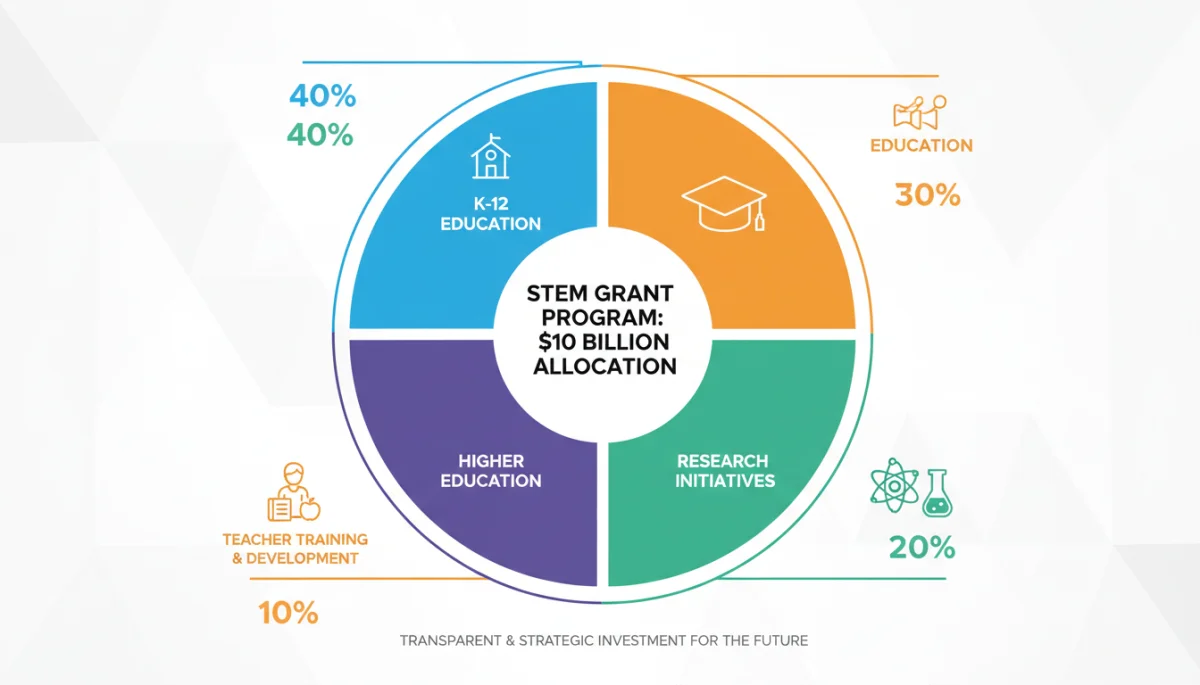
- Enhancing K-12 STEM Education: A significant portion of the funds will be directed towards improving foundational STEM learning in elementary and secondary schools. This includes curriculum development, teacher training, and access to modern lab equipment.
- Boosting Higher Education Research: Universities and colleges will receive support for advanced research projects, interdisciplinary programs, and facilities upgrades, fostering innovation and discovery.
- Promoting Equity and Access: The program emphasizes reaching underserved communities and increasing participation of women and minorities in STEM fields, ensuring a diverse talent pipeline.
- Workforce Development: Grants will also support vocational training and partnerships with industries to align educational outcomes with current and future job market demands.
In conclusion, the 2026 STEM Grant Program is a multifaceted initiative designed to create a robust, inclusive, and forward-thinking STEM educational framework. Its success will depend on strategic implementation and collaboration among various stakeholders to ensure the $10 billion investment translates into tangible, lasting improvements.
The Impact on K-12 Education
The injection of $10 billion into STEM initiatives will profoundly transform K-12 education, particularly in areas often overlooked or underfunded. This substantial financial boost is expected to revitalize classrooms, making STEM subjects more engaging and accessible for younger students. The focus is on building a strong foundation early on, sparking curiosity and passion for science, technology, engineering, and mathematics from an early age.
Schools will now have the opportunity to invest in resources that were previously out of reach. This includes advanced robotics kits, virtual reality labs for scientific exploration, and coding platforms that teach computational thinking. Beyond equipment, the grants will facilitate comprehensive professional development for teachers, equipping them with the latest pedagogical strategies to effectively teach complex STEM concepts.
Curriculum Enhancement and Teacher Training
A core component of the K-12 strategy is the development and implementation of innovative curricula. This will move beyond traditional textbook learning to incorporate project-based learning, problem-solving, and real-world applications of STEM principles.
- New Curricula: Schools can adopt or develop new STEM curricula that are interdisciplinary, hands-on, and aligned with industry needs.
- Teacher Professional Development: Funding for workshops, certifications, and ongoing training will empower educators to deliver high-quality STEM instruction.
- Mentorship Programs: Initiatives connecting students with STEM professionals will provide invaluable real-world insights and career guidance.
The overarching goal is to create learning environments where every student, regardless of their background, feels encouraged and capable of pursuing STEM. This early exposure and support are crucial for building a diverse and skilled future workforce. The impact on K-12 education is expected to be a significant step towards closing achievement gaps and inspiring a new generation of scientists and engineers.
Higher Education and Research Advancement
The $10 billion grant program extends its transformative reach into higher education, aiming to propel research, foster innovation, and prepare college students for advanced roles in STEM fields. Universities and colleges are critical hubs for groundbreaking discoveries and the cultivation of specialized talent. This funding will enable these institutions to expand their capabilities, attract top researchers, and offer unparalleled educational experiences.
Investments in higher education will focus on several key areas, including state-of-the-art research facilities, interdisciplinary programs that bridge traditional academic silos, and scholarships for students pursuing STEM degrees. The goal is to create an environment where cutting-edge research can flourish, and students are equipped with the theoretical knowledge and practical skills demanded by today’s rapidly evolving technological landscape.
Boosting Research Infrastructure
Modern research requires modern infrastructure. A significant portion of the grants will be allocated to upgrading university laboratories, purchasing advanced scientific instruments, and developing high-performance computing clusters.
- Facility Upgrades: Modernization of labs and research centers to support advanced scientific inquiry.
- Equipment Acquisition: Funding for new microscopes, supercomputers, and specialized robotics that are essential for cutting-edge research.
- Interdisciplinary Centers: Support for centers that bring together experts from different STEM fields to collaborate on complex problems.
Furthermore, the program will encourage universities to forge stronger partnerships with industry, creating pipelines for internships, co-op programs, and collaborative research projects. This collaboration ensures that academic research remains relevant and responsive to the needs of the economy. The impact on higher education will be seen in increased research output, more patents, and a highly skilled workforce ready to innovate.
Promoting Diversity and Inclusion in STEM
A cornerstone of the 2026 STEM Grant Program is its strong emphasis on diversity and inclusion. Historically, certain demographic groups, including women and underrepresented minorities, have been disproportionately excluded from STEM fields. The $10 billion allocation seeks to actively dismantle these barriers, creating equitable pathways for all students to pursue and succeed in science, technology, engineering, and mathematics.
This commitment is not just about fairness; it’s about strengthening the entire STEM ecosystem. Diverse perspectives lead to more innovative solutions and a broader range of ideas, which are essential for addressing complex global challenges. The grants will fund targeted initiatives designed to identify, support, and mentor students from diverse backgrounds, ensuring they have the resources and encouragement needed to thrive.
Targeted Initiatives for Equity
Several strategies will be employed to foster a more inclusive STEM environment.
- Scholarships and Mentorship: Specific funding for scholarships targeting women and minority students, coupled with mentorship programs connecting them with role models and industry professionals.
- Outreach Programs: Grants for community-based organizations and schools to conduct outreach efforts in underserved areas, introducing STEM concepts to young children.
- Inclusive Curricula: Support for developing and implementing curricula that are culturally responsive and highlight diverse contributions to STEM.
By actively promoting diversity and inclusion, the program aims to not only rectify historical imbalances but also to enrich the entire STEM community with a wider array of talents and viewpoints. This strategic focus is crucial for building a resilient and innovative future workforce that reflects the full spectrum of American society.
Workforce Development and Future Economic Growth
The long-term vision of the 2026 STEM Grant Program extends far beyond academic institutions, directly impacting workforce development and the nation’s future economic growth. By investing $10 billion in STEM initiatives, the Education Department is laying the groundwork for a highly skilled workforce capable of meeting the demands of an increasingly technology-driven global economy. This strategic investment aims to reduce skills gaps, foster innovation, and ensure American competitiveness.
The grants will support programs that bridge the gap between education and employment, including vocational training, apprenticeships, and partnerships between educational institutions and industries. The goal is to create a seamless transition for students from learning environments into high-demand STEM careers, contributing to both individual prosperity and national economic strength.
Connecting Education to Industry Needs
Effective workforce development requires close collaboration between educators and employers.
- Industry Partnerships: Grants will facilitate collaborations between schools, colleges, and local businesses to design curricula and training programs that align with industry needs.
- Apprenticeship Programs: Funding for expanding and creating new STEM apprenticeship opportunities, providing hands-on experience and direct pathways to employment.
- Skills Training: Support for specialized training programs in emerging technologies like artificial intelligence, cybersecurity, and biotechnology.
Ultimately, this focus on workforce development ensures that the investment in STEM education yields tangible economic benefits. By preparing a workforce that is adaptable, innovative, and highly skilled, the United States will be better positioned to attract new industries, foster entrepreneurship, and maintain its leadership in global markets, securing a prosperous future for all citizens.
Navigating the Application Process for Grants
For educational institutions and organizations interested in securing a portion of the $10 billion allocated for STEM initiatives, understanding the grant application process is paramount. The Education Department is committed to a transparent and equitable distribution of funds, but successful applications will require careful planning, adherence to guidelines, and a clear demonstration of how the proposed projects align with the program’s objectives.
Prospective applicants should begin by thoroughly reviewing the official grant announcements, which will detail eligibility criteria, funding priorities, and application deadlines. It is crucial to identify which specific grant categories best suit their institution’s capabilities and proposed projects. The application process will likely be competitive, emphasizing the need for well-articulated proposals that demonstrate both impact and sustainability.
Key Steps for Applicants
Preparing a strong grant application involves several critical stages.
- Review Guidelines: Carefully read all official documentation, including the Notice of Funding Opportunity (NOFO) and any related FAQs.
- Needs Assessment: Clearly identify the specific STEM educational needs your institution or community aims to address.
- Develop a Project Plan: Outline a detailed project plan with clear objectives, methodologies, expected outcomes, and a robust evaluation strategy.
- Budget Justification: Provide a comprehensive and realistic budget that clearly justifies all requested funds and demonstrates fiscal responsibility.
- Partnerships: Highlight existing or planned partnerships with other educational institutions, community organizations, or industry stakeholders.
The Education Department will likely offer technical assistance and webinars to guide applicants through the process. Engaging with these resources can significantly improve the quality and competitiveness of a proposal. A successful application will not only secure funding but also contribute to the broader goal of advancing STEM education across the nation, making a lasting difference for students and communities.
| Key Aspect | Brief Description |
|---|---|
| Total Allocation | $10 Billion dedicated to STEM initiatives for 2026. |
| Target Areas | K-12 education, higher education, research, and workforce development. |
| Key Objectives | Enhance curricula, train educators, promote diversity, and align with industry needs. |
| Application Process | Requires detailed proposals, budget justification, and adherence to guidelines. |
Frequently Asked Questions About the 2026 STEM Grant Program
The primary goal is to significantly enhance STEM education and workforce development across the United States. It aims to foster innovation, improve educational outcomes from K-12 to higher education, and ensure a diverse and skilled talent pipeline for future economic growth and global competitiveness.
The program is designed to benefit all levels of education, including K-12 schools, community colleges, and four-year universities. It will support initiatives ranging from foundational STEM learning in elementary schools to advanced research and specialized training programs in higher education institutions nationwide.
The grants will fund targeted initiatives such as scholarships, mentorship programs, and outreach efforts specifically designed to increase the participation of women and underrepresented minorities in STEM fields. The goal is to create equitable access and support systems for all students, regardless of their background.
Eligible projects include curriculum development, teacher professional development, upgrades to research facilities and equipment, K-12 STEM outreach programs, industry partnerships for workforce training, and programs focused on increasing diversity and equity in STEM education and careers.
The official application period and detailed guidelines will be announced by the Education Department in late 2025 or early 2026. Prospective applicants should regularly check the department’s official website for the Notice of Funding Opportunity (NOFO) and related technical assistance resources to prepare their proposals.
Conclusion
The Education Department’s unveiling of the 2026 Grant Program, allocating $10 billion for STEM initiatives, marks a pivotal moment for American education and economic future. This substantial investment underscores a national commitment to fostering innovation, cultivating a diverse and skilled workforce, and maintaining global competitiveness in science and technology. By strengthening K-12 foundations, advancing higher education research, promoting inclusivity, and aligning educational outcomes with industry needs, this program is poised to create lasting positive impacts across the nation. The success of this ambitious endeavor will ultimately be measured by the generations of students inspired, the breakthroughs achieved, and the robust economic growth it helps to generate, solidifying the United States’ position as a leader in the global STEM landscape.