LIHEAP 2026: New Funding & How to Apply

The Home Energy Assistance Program (LIHEAP) 2026 provides essential financial support for low-income households to cover heating and cooling expenses.
Are you concerned about rising energy costs and how they might impact your household budget in the coming year? The Home Energy Assistance Program (LIHEAP) 2026: New Funding Opportunities and How to Apply is a critical federal initiative designed to help low-income families manage their heating and cooling bills, ensuring comfort and safety in their homes. Understanding the new funding landscape and the updated application process for 2026 is essential for securing this vital support.
Understanding LIHEAP: A Lifeline for Low-Income Households
The Low Income Home Energy Assistance Program (LIHEAP) stands as a cornerstone of federal aid, offering crucial support to millions of households across the United States. Its primary objective is to assist low-income families in meeting the costs of home energy, whether for heating during harsh winters or cooling during scorching summers. This program is not just about financial relief; it’s about preventing utility shut-offs, making energy costs more manageable, and ensuring that vulnerable populations can maintain safe and healthy living environments. The program’s flexibility allows states and tribal organizations to tailor assistance to local needs, addressing diverse energy challenges from coast to coast.
LIHEAP’s impact extends beyond direct bill payment. It also supports weatherization and energy-related home repairs, which are proactive measures designed to reduce future energy consumption and costs. By improving energy efficiency, households can achieve long-term savings, lessening their reliance on emergency aid. The program’s broad scope reflects a comprehensive approach to energy poverty, recognizing that a stable home environment is fundamental to overall well-being. As we look towards 2026, understanding the foundational principles of LIHEAP remains paramount for both applicants and administrators.
The Core Mission and Objectives
- Bill Payment Assistance: Direct aid for heating and cooling costs.
- Crisis Intervention: Help to prevent utility shut-offs or restore services.
- Weatherization: Funding for home improvements that increase energy efficiency.
- Energy-Related Repairs: Support for fixing or replacing faulty heating/cooling systems.
In essence, LIHEAP acts as a safety net, providing a buffer against the financial strain of energy expenses. It acknowledges that energy is a basic necessity, and access to it should not be a luxury. The program’s design emphasizes both immediate relief and sustainable solutions, aiming to empower households to better manage their energy consumption and costs over time. This holistic approach is what makes LIHEAP an indispensable resource for many families struggling with the economic realities of energy prices.
The enduring relevance of LIHEAP is underscored by its continuous adaptation to evolving energy landscapes and economic conditions. By offering a multi-faceted approach to energy assistance, it addresses immediate crises while also fostering greater energy independence for its beneficiaries. This dual focus ensures that the program remains a vital component of federal welfare efforts, providing stability and security for those who need it most. Understanding these core objectives is the first step in navigating the program’s benefits for 2026.
New Funding Opportunities for LIHEAP in 2026
The landscape of federal funding is constantly shifting, and for 2026, the Home Energy Assistance Program (LIHEAP) is expected to see significant new opportunities. These funding enhancements are often a response to economic trends, energy market fluctuations, and legislative priorities aimed at bolstering support for vulnerable populations. Anticipated increases in allocations could mean broader eligibility, higher benefit amounts, or expanded program services, providing a much-needed boost to households grappling with rising utility expenses. Staying informed about these developments is crucial for maximizing the potential benefits.
Congressional appropriations play a direct role in determining LIHEAP’s budget each year. For 2026, advocates and policymakers are pushing for sustained or increased investment in energy assistance, recognizing its vital role in preventing energy poverty and supporting economic stability. Additionally, supplemental funding might become available through various federal initiatives or disaster relief efforts, especially if severe weather events impact energy demand and costs. These supplementary funds can offer temporary but substantial relief to affected communities.
Key Areas of Potential Funding Growth
- Increased Base Allocations: Higher general funding for states and territories.
- Targeted Crisis Funds: Specific allocations for extreme weather events or economic downturns.
- Energy Efficiency Incentives: Enhanced funding for weatherization and energy conservation measures.
Beyond direct federal appropriations, there’s a growing emphasis on leveraging partnerships with state and local governments, as well as private organizations, to amplify LIHEAP’s reach. These collaborations can introduce innovative funding models, such as matching grants or philanthropic contributions, which can further extend the program’s capacity. Such diversified funding streams are increasingly important in ensuring the long-term sustainability and effectiveness of energy assistance programs.
Furthermore, technological advancements and data-driven approaches are being explored to optimize the distribution and impact of LIHEAP funds. By utilizing better data analytics, programs can identify areas of greatest need more accurately and allocate resources more efficiently. This focus on smart allocation ensures that every dollar spent has the maximum possible benefit for eligible households. These new funding opportunities for 2026 represent a proactive effort to address the evolving challenges of energy affordability.
Eligibility Criteria for LIHEAP in 2026
Determining eligibility for the Home Energy Assistance Program (LIHEAP) is a multi-faceted process that primarily revolves around income levels, household size, and specific energy needs. While the federal government sets broad guidelines, individual states and tribal organizations have the flexibility to establish more specific criteria, often reflecting local economic conditions and cost-of-living differences. For 2026, applicants should anticipate that these core requirements will remain largely consistent, though minor adjustments are always possible.
Generally, eligibility is tied to a household’s gross monthly income, which must fall below a certain percentage of the federal poverty level or the state median income. This threshold typically ranges from 110% to 150% of the federal poverty guidelines. Some states may also consider factors such as the presence of elderly individuals, young children, or individuals with disabilities within the household, often prioritizing these vulnerable groups for assistance. Understanding your state’s specific income limits is the first crucial step in assessing your eligibility.
Primary Eligibility Factors
- Income Level: Must be at or below a specified percentage of the federal poverty level or state median income.
- Household Size: Income thresholds vary based on the number of people in the household.
- Energy Burden: Some programs prioritize households with a high percentage of income spent on energy.
- Vulnerable Populations: Prioritization often given to households with seniors, young children, or individuals with disabilities.
Beyond income, applicants typically need to demonstrate a direct responsibility for home energy costs. This usually means having a utility bill in their name or being responsible for paying rent that includes heating or cooling expenses. Proof of residency in the state or tribal service area is also a standard requirement. It’s important to gather all necessary documentation well in advance to streamline the application process.
States may also implement specific criteria for different types of assistance, such as crisis intervention versus regular bill payment. For instance, crisis assistance might have slightly more lenient income requirements or a faster application turnaround time due to the urgent nature of the need. Staying updated on your local LIHEAP agency’s specific rules for 2026 will be key to a successful application. These criteria are designed to ensure that assistance reaches those who are most in need of support for their energy bills.
The Application Process: Step-by-Step Guide for 2026
Navigating the application process for the Home Energy Assistance Program (LIHEAP) can seem daunting, but with a clear, step-by-step approach, it becomes much more manageable. For 2026, while the core steps will likely remain similar, it’s always wise to check for any updated forms or specific requirements from your local administering agency. Proactive preparation and attention to detail are crucial for a smooth and successful application.
The first step is to identify your local LIHEAP office or administering agency. This could be a state agency, a county social services department, or a community action agency. Most states have online portals or dedicated phone lines where you can find this information. Once you’ve located your agency, inquire about their specific application period, as these can vary. Some agencies accept applications year-round, while others have designated open enrollment periods, especially for heating or cooling assistance.
Essential Steps for a Successful Application
- Locate Your Local Agency: Find the specific LIHEAP office or community action agency serving your area.
- Gather Required Documents: Collect proof of income, residency, household members, and utility bills.
- Complete the Application Form: Fill out the application accurately and completely.
- Submit Your Application: Follow your agency’s instructions for submission (online, mail, in-person).
- Follow Up: Keep track of your application status and respond to any requests for additional information.
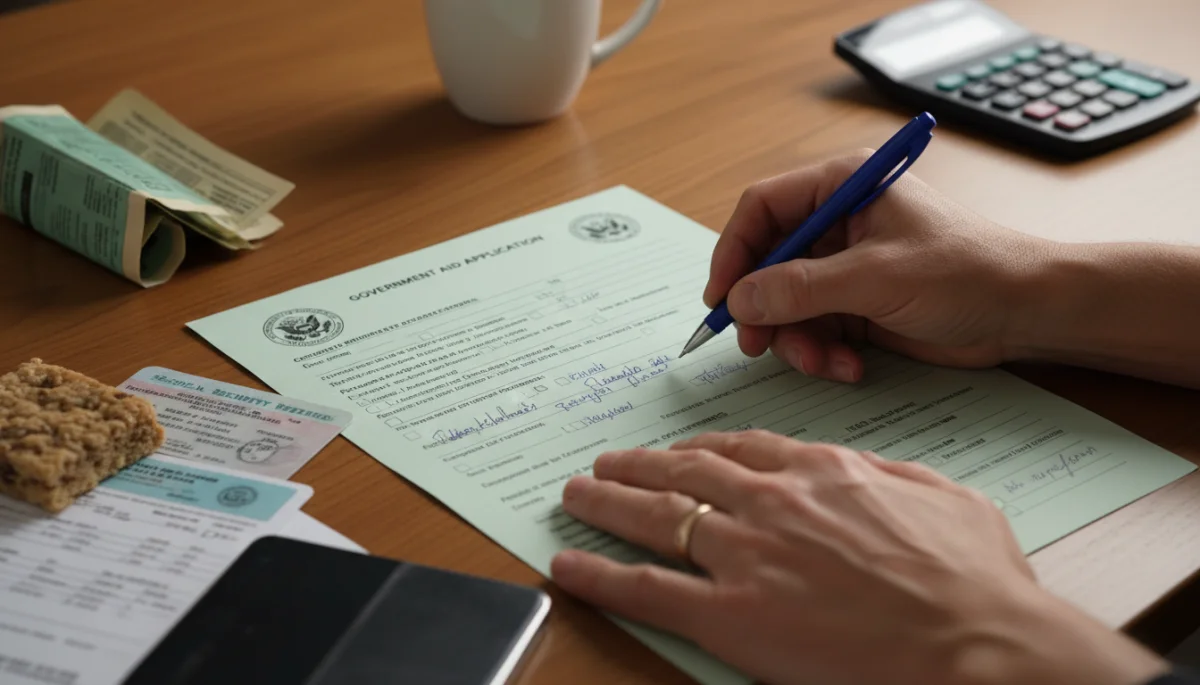
Next, gather all necessary documentation. This typically includes proof of income for all household members (pay stubs, Social Security statements, unemployment benefits), proof of residency (lease agreement, utility bill with your address), a list of all household members with their dates of birth, and copies of your most recent energy bills. Having these documents organized before you start the application will save significant time and prevent delays.
Once you have your documents, carefully complete the application form. Pay close attention to all fields and ensure accuracy. Incomplete or incorrect information is a common reason for application delays or rejections. Many agencies now offer online application portals, which can be a convenient way to submit your information. If applying in person or by mail, make copies of everything for your records. After submission, it’s a good practice to follow up with the agency to confirm receipt and inquire about the expected processing time. Being prepared and thorough will significantly improve your chances of receiving timely assistance for 2026.
Maximizing Your LIHEAP Benefits: Tips for Applicants
Securing Home Energy Assistance Program (LIHEAP) benefits can make a significant difference in managing household expenses. However, simply applying isn’t always enough; understanding how to maximize your benefits and navigate the system effectively is key. For 2026, being proactive and well-informed will empower you to get the most out of the program, ensuring you receive all the assistance you’re eligible for.
One of the most important tips is to apply early. LIHEAP funds are often distributed on a first-come, first-served basis, and while new funding opportunities may arise, demand can still outstrip supply. Applying as soon as the application period opens increases your chances of receiving assistance before funds are depleted. Check with your local agency for specific opening dates and mark them on your calendar.
Strategies for Optimizing Your Application
- Apply Early: Funds are often limited and distributed on a first-come, first-served basis.
- Provide Complete Documentation: Ensure all required papers are accurate and submitted to avoid delays.
- Report All Household Changes: Update your agency on any income or household size changes that might affect eligibility.
- Explore Crisis Assistance: If facing imminent shut-off, inquire about emergency or crisis LIHEAP funds.
- Consider Weatherization Services: Ask about energy efficiency programs that can reduce long-term costs.
Another crucial strategy is to ensure your application is meticulously complete and accurate. Any missing information or discrepancies can lead to delays or even rejection. Double-check all personal details, income figures, and utility account numbers. If you’re unsure about any part of the form, don’t hesitate to contact your local LIHEAP office for clarification. They are there to assist you through the process.
Beyond direct financial aid, inquire about other LIHEAP-supported services such as weatherization programs. These initiatives can provide home improvements like insulation upgrades or window replacements, which significantly reduce your energy consumption and lower your bills in the long run. By combining direct assistance with energy efficiency measures, you can achieve greater financial stability and comfort. Staying informed and proactive is the best way to maximize your LIHEAP benefits in 2026.
Beyond LIHEAP: Complementary Energy Assistance Programs
While the Home Energy Assistance Program (LIHEAP) is a powerful resource, it’s important to recognize that it’s often part of a broader ecosystem of support designed to help households manage energy costs. For 2026, exploring complementary programs can provide additional layers of financial relief and energy efficiency, offering a more comprehensive solution to energy affordability challenges. Combining various forms of assistance can significantly reduce your overall energy burden.
Many states and utility companies offer their own energy assistance programs, which may have different eligibility criteria or provide different types of aid. These can include discount rates for low-income customers, arrearage management plans to help pay off past-due balances, or specialized grants. It’s highly recommended to check with your specific utility providers (electric, gas, oil) to inquire about any programs they offer independently of federal initiatives.
Additional Resources for Energy Support
- State and Local Programs: Many states and municipalities have their own energy assistance initiatives.
- Utility Company Programs: Discount rates, payment plans, and hardship funds often available directly from providers.
- Weatherization Assistance Program (WAP): Federal program focusing on energy efficiency upgrades for homes.
- Non-Profit and Community Aid: Local charities and community organizations often provide emergency utility assistance.
The federal Weatherization Assistance Program (WAP) is another significant resource that works hand-in-hand with LIHEAP. While LIHEAP helps with immediate bill payments, WAP focuses on long-term solutions by funding energy-efficient home improvements for low-income households. These improvements can include sealing air leaks, adding insulation, or repairing/replacing inefficient heating systems, leading to substantial and lasting reductions in energy consumption and costs.
Furthermore, numerous non-profit organizations and community charities often provide emergency utility assistance or referrals to other local resources. These groups can act as a crucial safety net when other programs are exhausted or when immediate crisis intervention is needed. By exploring all available avenues—federal, state, utility-specific, and non-profit—households can create a robust support system to manage their energy needs effectively in 2026 and beyond. This integrated approach ensures maximum coverage and sustainable relief.
Future Outlook: LIHEAP in a Changing Energy Landscape
The future of the Home Energy Assistance Program (LIHEAP) is intrinsically linked to the evolving energy landscape, marked by climate change concerns, technological advancements, and shifting economic realities. For 2026 and beyond, LIHEAP is poised to adapt to these changes, potentially incorporating new strategies to address energy poverty in a more sustainable and forward-thinking manner. Understanding these potential shifts is crucial for anticipating the program’s long-term trajectory.
One significant trend is the increasing focus on renewable energy and energy efficiency. As the nation transitions towards cleaner energy sources, LIHEAP may see an expanded role in promoting access to these technologies for low-income households. This could involve funding for solar panel installations, grants for energy storage solutions, or incentives for smart home devices that optimize energy usage. Such initiatives would not only reduce energy bills but also contribute to broader environmental goals.
Anticipated Program Developments
- Integration of Renewable Energy: Potential for funding to support solar or other clean energy adoption.
- Enhanced Energy Efficiency Measures: Greater emphasis on weatherization and smart home technology.
- Digitalization of Services: More streamlined online application processes and improved data analytics.
- Climate Resilience Focus: Aid tailored to help households cope with extreme weather events.
Digital transformation is another key area of development. The application process for LIHEAP is likely to become even more streamlined through online platforms, making it easier for eligible individuals to apply and for agencies to process requests efficiently. Data analytics will play a larger role in identifying communities most in need and tailoring assistance programs to achieve maximum impact. This technological integration aims to improve accessibility and responsiveness.
Moreover, as climate change leads to more frequent and intense weather events, LIHEAP’s role in crisis intervention is expected to expand. This could involve specialized funding for immediate relief during heatwaves, cold snaps, or natural disasters that disrupt energy services. The program’s adaptability to these challenges will be vital in ensuring that vulnerable populations remain protected. The future outlook for LIHEAP in 2026 and beyond suggests a program that is not only responsive to immediate needs but also proactive in building a more resilient and sustainable energy future for all.
| Key Point | Brief Description |
|---|---|
| LIHEAP 2026 Funding | Anticipated new federal allocations and supplemental funds to support low-income energy assistance. |
| Eligibility Criteria | Primarily based on household income relative to federal poverty levels, with state-specific variations. |
| Application Process | Locate local agency, gather documents, complete forms accurately, submit, and follow up for successful aid. |
| Maximizing Benefits | Apply early, ensure complete documentation, report changes, and explore crisis or weatherization options. |
Frequently Asked Questions About LIHEAP 2026
LIHEAP, the Low Income Home Energy Assistance Program, is a federal program providing financial aid to low-income households for heating and cooling costs. It aims to prevent utility shut-offs and assist vulnerable families, including the elderly, children, and individuals with disabilities, in managing their energy bills and maintaining safe home temperatures.
You can typically find your local LIHEAP agency by visiting the official LIHEAP website, contacting your state’s social services department, or searching online for community action agencies in your county. These resources will provide contact information, application periods, and specific local requirements for the 2026 program.
Commonly required documents include proof of income for all household members (e.g., pay stubs, benefit statements), proof of residency (e.g., lease agreement, utility bill), identification for all household members, and copies of your most recent energy bills. Always check your local agency’s specific list of required documents.
Yes, many states and utility companies offer their own energy assistance programs, such as low-income discounts or payment plans. The federal Weatherization Assistance Program (WAP) also provides funds for energy-efficient home improvements. Local non-profits and community organizations may also offer emergency utility aid.
For 2026, LIHEAP is anticipated to see increased federal appropriations, potentially including targeted crisis funds for extreme weather and enhanced support for energy efficiency measures. There’s also a growing focus on leveraging partnerships and utilizing data analytics to optimize fund distribution and program impact for beneficiaries.
Conclusion
The Home Energy Assistance Program (LIHEAP) for 2026 continues to serve as an indispensable resource for low-income households grappling with the financial burden of energy costs. With potential new funding opportunities and a consistent commitment to supporting vulnerable populations, understanding the program’s nuances is more important than ever. By thoroughly familiarizing yourself with eligibility requirements, diligently following the application process, and exploring complementary assistance options, you can effectively secure the aid needed to maintain a safe and comfortable home environment. Staying informed and proactive will empower you to navigate the complexities of energy assistance and maximize the benefits available to your household in the coming year.