Healthcare Spending Projections: $4.5 Trillion by 2026
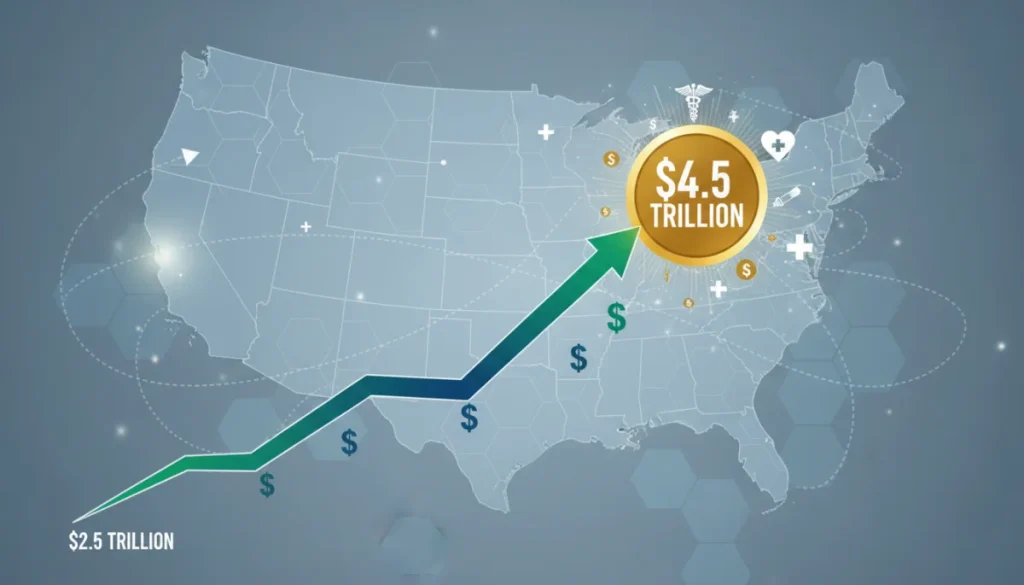
National health expenditures in the U.S. are projected to reach $4.5 trillion by the end of 2026, reflecting significant growth across various sectors.
The landscape of American healthcare is constantly evolving, and recent data signals a significant shift. We are looking at a future where healthcare spending projections indicate national health expenditures are set to reach an astounding $4.5 trillion by the end of 2026. This monumental figure prompts a closer look at the forces driving this growth and what it means for every American.
Understanding the drivers of healthcare expenditure growth
The anticipated rise in national health expenditures to $4.5 trillion by 2026 is not a random occurrence but rather the result of several interconnected factors. Understanding these drivers is crucial for grasping the full scope of the financial challenges and opportunities within the U.S. healthcare system. These forces impact everything from individual out-of-pocket costs to federal budget allocations.
Several key elements contribute to this upward trajectory, creating a complex web of influences that shape the financial future of healthcare. It is important to dissect each component to gain a comprehensive perspective on why these costs are escalating at such a rapid pace.
Aging population and chronic disease prevalence
One of the most significant demographic shifts impacting healthcare spending is the aging of the U.S. population. As baby boomers continue to age, the demand for healthcare services naturally increases. This demographic trend is compounded by the rising prevalence of chronic conditions among older adults, which require continuous and often expensive care.
- Increased demand for long-term care facilities and services.
- Higher utilization of prescription medications for chronic disease management.
- More frequent hospitalizations and specialist visits.
- Greater need for home healthcare and palliative care services.
The cumulative effect of these factors places immense pressure on the healthcare system, leading to higher overall expenditures. Managing chronic diseases effectively is not only a clinical challenge but also a major economic one.
Technological advancements and innovation
While technological advancements offer improved diagnostics, treatments, and patient outcomes, they often come with a substantial price tag. New medical devices, sophisticated imaging techniques, and innovative pharmaceutical products contribute significantly to rising costs. The development and integration of these technologies into standard care practices are expensive processes.
The push for innovation is relentless, driven by both patient needs and market competition. However, the cost-benefit analysis of these new technologies is an ongoing debate, with their high price points often passed on to consumers and payers. The promise of better health often comes with a higher financial burden, creating a dilemma for policymakers and patients alike.
In conclusion, the growth in healthcare expenditures is a multifaceted issue, deeply rooted in demographic shifts, the burden of chronic diseases, and the ever-advancing frontier of medical technology. Addressing these drivers effectively will be essential for managing costs and ensuring sustainable healthcare in the coming years.
The role of prescription drug spending
Prescription drug spending continues to be a major component of national health expenditures, playing a pivotal role in the projected increase to $4.5 trillion by 2026. The dynamics of drug pricing, the introduction of new specialty medications, and the utilization patterns of pharmaceuticals all contribute to this segment’s significant impact on overall healthcare costs.
Understanding the intricacies of prescription drug markets and the factors that influence their costs is critical for any comprehensive analysis of healthcare spending. This sector often sees rapid innovation, but also faces scrutiny over its pricing strategies.
High costs of specialty drugs
Specialty drugs, designed to treat complex or rare conditions such as cancer, autoimmune diseases, and hepatitis C, often carry exceptionally high price tags. While these medications can be life-saving or life-altering, their cost can significantly inflate overall drug spending. The research and development required for these breakthrough therapies are substantial, often cited as a justification for their premium pricing.
- Treatments for rare diseases often have limited patient pools, leading to higher per-patient costs.
- Complex manufacturing processes and supply chains for biologics and advanced therapies.
- Longer patent protection periods allow manufacturers to maintain high prices.
- Aggressive marketing and lobbying efforts by pharmaceutical companies.
The introduction of new specialty drugs into the market, even with their clinical benefits, invariably pushes up total healthcare spending. This trend shows no signs of abating, as more innovative, high-cost therapies are in the pipeline.
Pricing strategies and market dynamics
The pharmaceutical industry’s pricing strategies are often a subject of intense debate. Factors such as lack of price transparency, limited competition for patented drugs, and the complex rebate system between manufacturers, pharmacies, and insurers contribute to elevated drug costs. These market dynamics make it difficult for consumers and even healthcare providers to ascertain the true cost of medications.
The U.S. healthcare system’s unique approach to drug pricing, which largely allows manufacturers to set their own prices, differs significantly from many other developed nations. This often results in Americans paying more for the same drugs compared to patients in other countries. Efforts to introduce price negotiation and increase transparency are ongoing but face considerable resistance.
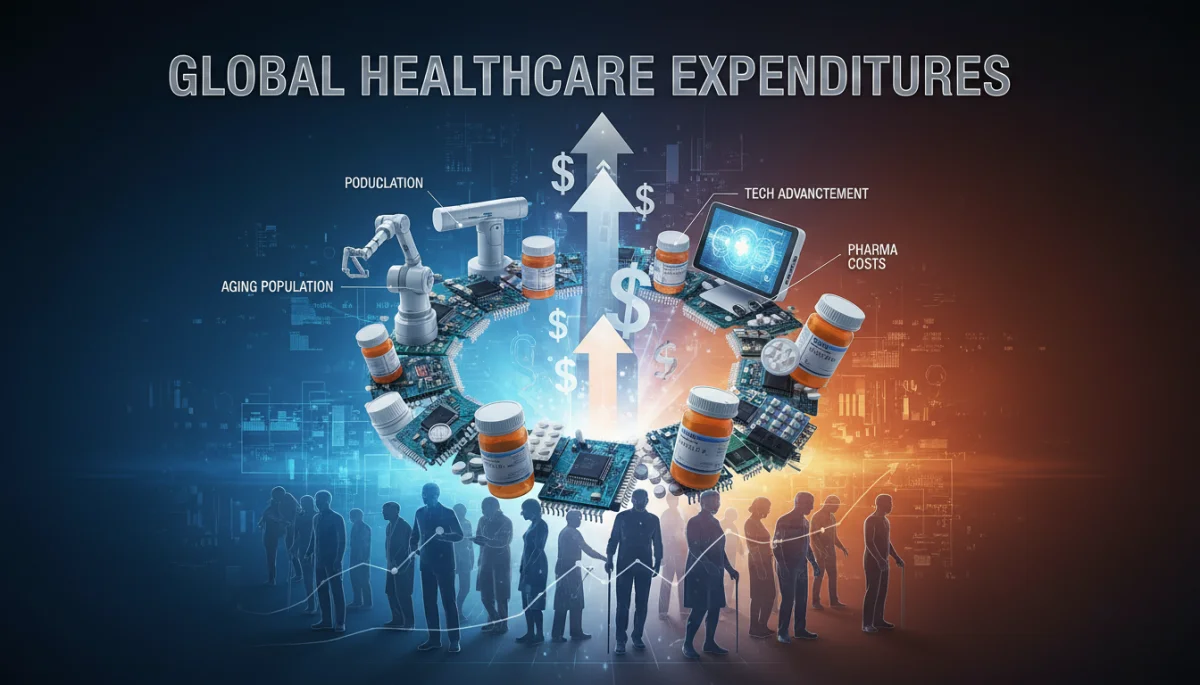
In summary, prescription drug spending, particularly driven by the high costs of specialty medications and the prevailing market dynamics, is a substantial contributor to the projected rise in national health expenditures. Addressing these issues requires a multi-faceted approach involving policy reforms, increased competition, and greater transparency.
Impact of economic growth and inflation
Economic growth and inflation are fundamental macroeconomic forces that inevitably influence healthcare spending. As the U.S. economy expands, and as the cost of goods and services rises across the board, the healthcare sector is not immune to these pressures. These factors directly contribute to the projected increase in healthcare spending projections.
The interplay between economic indicators and healthcare costs is intricate. A stronger economy generally means more employment and higher wages, potentially leading to increased demand for healthcare services and a greater capacity for individuals and employers to pay for them. However, inflation simultaneously erodes purchasing power and drives up operational costs for providers.
Wage and labor cost pressures
The healthcare sector is highly labor-intensive, relying on a vast workforce of doctors, nurses, technicians, and administrative staff. As the economy grows and inflation rises, so do wage expectations. Healthcare organizations face constant pressure to increase salaries and benefits to attract and retain skilled professionals, especially in competitive markets. These rising labor costs are a significant driver of overall healthcare expenditures.
Beyond direct wages, other labor-related costs, such as health insurance premiums for employees, retirement benefits, and training programs, also escalate. These expenses are ultimately passed on to patients and payers through higher service charges. The demand for healthcare professionals often outstrips supply, further empowering workers to command higher compensation, which perpetuates the cycle of increasing costs.
Cost of medical supplies and equipment
Inflation also impacts the cost of medical supplies, equipment, and pharmaceuticals. From basic consumables like bandages and syringes to sophisticated diagnostic machinery and surgical instruments, the prices for these items increase over time. Manufacturers face their own rising costs for raw materials, energy, and transportation, which are then reflected in the prices charged to hospitals and clinics.
The global supply chain issues experienced in recent years have exacerbated these inflationary pressures, leading to shortages and further price hikes for essential medical goods. Healthcare providers must absorb these increased costs or pass them on to patients, contributing to the upward trend in national health expenditures. The continuous need for updated and technologically advanced equipment also means frequent capital investments, adding to the financial burden.
In conclusion, economic growth and inflation create a challenging environment for managing healthcare costs. Rising labor expenses and the increasing cost of medical supplies are direct consequences of these macroeconomic trends, pushing national health expenditures higher towards the $4.5 trillion mark by 2026. Effective financial planning and strategic procurement are essential for healthcare organizations to navigate these pressures.
Policy shifts and regulatory impacts
Government policies and regulatory frameworks wield substantial influence over the trajectory of healthcare spending. Changes in legislation, shifts in reimbursement models, and new mandates can either accelerate or curb the growth of national health expenditures. As the U.S. approaches the $4.5 trillion mark by 2026, understanding the impact of these policy decisions becomes paramount.
The political landscape continuously shapes how healthcare services are financed, delivered, and regulated. Each new administration or legislative cycle can introduce reforms that ripple throughout the entire system, affecting providers, payers, and patients alike.
Changes in insurance coverage and mandates
Expansions or contractions of health insurance coverage significantly impact overall spending. Policies that increase the number of insured individuals, such as the Affordable Care Act (ACA), tend to increase national health expenditures by reducing uncompensated care and encouraging earlier, more comprehensive treatment. Conversely, policies that reduce coverage or increase out-of-pocket costs can shift the burden, potentially leading to delayed care and more expensive emergency interventions.
- Government subsidies for health insurance plans.
- Mandates for specific benefits or coverage types.
- Changes in eligibility criteria for public programs like Medicaid and Medicare.
- Regulations affecting employer-sponsored health plans.
Each adjustment to insurance mandates and coverage parameters has direct implications for how much is spent on healthcare and who bears the financial responsibility. The goal of balancing access to care with cost containment is a constant challenge for policymakers.
Reimbursement models and payment reforms
The way healthcare providers are reimbursed for their services is a critical determinant of spending. Traditional fee-for-service models, which pay providers for each service rendered, can incentivize higher utilization. In contrast, value-based care models, which tie payments to patient outcomes and quality of care, aim to promote efficiency and reduce unnecessary spending.
Ongoing efforts to reform payment systems, such as bundled payments for episodes of care or accountable care organizations (ACOs), seek to shift financial risk to providers and encourage greater coordination of care. While these reforms aim to control costs, their implementation can be complex and their effectiveness varies. The transition to new models requires significant investment in infrastructure and changes in clinical practice.
In conclusion, policy shifts and regulatory impacts are powerful forces in shaping healthcare spending. Decisions related to insurance coverage, mandates, and reimbursement models directly influence the volume and cost of healthcare services. Navigating these policy changes effectively is crucial for managing the projected rise in national health expenditures and ensuring the long-term sustainability of the U.S. healthcare system.
Preventive care and population health strategies
Investing in preventive care and robust population health strategies can serve as a crucial countermeasure to the escalating healthcare spending projections. By focusing on keeping populations healthy and preventing the onset or progression of chronic diseases, there is potential to mitigate some of the cost pressures that are pushing national health expenditures towards $4.5 trillion by 2026.
A proactive approach to health, rather than a purely reactive one, holds the promise of both improved public well-being and more sustainable healthcare financing. Shifting the focus from treatment to prevention requires a paradigm change in how healthcare is organized and funded.
Promoting wellness and early detection
Encouraging wellness through public health campaigns, lifestyle interventions, and accessible preventive screenings can significantly reduce the incidence of preventable diseases. Early detection of conditions allows for less invasive and less costly treatments, thereby avoiding the high expenses associated with advanced disease stages. Programs that support healthy eating, regular physical activity, and smoking cessation are vital components of this strategy.
- Routine vaccinations to prevent infectious diseases.
- Screening programs for cancer, diabetes, and cardiovascular conditions.
- Educational initiatives on healthy lifestyle choices.
- Access to primary care for regular check-ups and risk assessments.
These efforts not only improve individual health outcomes but also contribute to a healthier workforce and a reduction in long-term healthcare utilization. The societal benefits extend beyond financial savings, fostering a more productive and vibrant population.
Community health initiatives and chronic disease management
Community-based health initiatives play a critical role in addressing social determinants of health and supporting individuals in managing chronic conditions outside of traditional clinical settings. Programs that connect patients with resources for healthy food, safe housing, and transportation can have a profound impact on health outcomes and reduce the need for expensive acute care.
For individuals already living with chronic diseases, effective management programs are essential. These initiatives often involve patient education, remote monitoring, and coordinated care teams that help patients adhere to treatment plans and prevent complications. By empowering patients to take an active role in their health, these programs can reduce hospital readmissions and emergency room visits, which are major drivers of healthcare costs.
In conclusion, preventive care and population health strategies offer a promising pathway to temper the growth of healthcare spending. By prioritizing wellness, early detection, and community-based interventions, the U.S. healthcare system can aim to improve health outcomes while simultaneously working towards a more financially sustainable future, potentially easing the burden of the projected $4.5 trillion in national health expenditures by 2026.
The future landscape of healthcare financing
The projected rise of national health expenditures to $4.5 trillion by 2026 necessitates a critical examination of the future landscape of healthcare financing. This significant increase will undoubtedly prompt ongoing debates and innovations in how healthcare is paid for, both by individuals and by the broader system. Understanding these evolving financial models is key to anticipating future trends.
The traditional financing mechanisms are already undergoing transformation, driven by pressures to control costs, improve value, and ensure equitable access. The solutions that emerge will shape the availability and quality of care for generations to come.
Innovative payment models and risk-sharing
The shift towards value-based care is driving the exploration of innovative payment models that move beyond the traditional fee-for-service approach. These models aim to incentivize quality and efficiency rather than volume. Examples include bundled payments, where a single payment covers all services for a specific episode of care, and capitation, where providers receive a fixed amount per patient regardless of the services used.
- Accountable Care Organizations (ACOs) that share savings with payers for achieving quality and cost targets.
- Direct contracting models between employers and healthcare providers.
- Subscription-based primary care services, like direct primary care.
- Outcomes-based contracts for pharmaceuticals, where payment is tied to drug effectiveness.
Risk-sharing arrangements are also becoming more prevalent, with providers and payers sharing financial responsibility for patient outcomes. This encourages greater collaboration and alignment of incentives, aiming to reduce unnecessary costs while improving care coordination.
Role of consumer-driven healthcare
Consumer-driven healthcare models empower individuals to take a more active role in their healthcare decisions and spending. High-deductible health plans (HDHPs) paired with Health Savings Accounts (HSAs) are prime examples, giving consumers more control over their healthcare dollars and encouraging them to be more mindful of costs. This approach assumes that increased financial responsibility will lead to more judicious use of healthcare services.
The growth of transparent pricing tools and online platforms also supports consumer engagement, allowing individuals to compare costs for various procedures and services. While consumer-driven models aim to inject market forces into healthcare, their effectiveness in controlling overall spending and ensuring equitable access, especially for those with chronic conditions, remains a subject of ongoing discussion.
In conclusion, the future of healthcare financing will likely be characterized by a blend of innovative payment models, increased risk-sharing, and a continued emphasis on consumer engagement. These strategies are crucial for addressing the projected surge in healthcare expenditures and striving for a more sustainable and equitable system in the face of the $4.5 trillion milestone by 2026.
Addressing disparities and equity in spending
As national health expenditures climb towards $4.5 trillion by 2026, it becomes increasingly vital to address existing disparities and ensure equity in healthcare spending. The financial burden and access to quality care are not evenly distributed across the U.S. population, leading to significant health inequities that impact both individual well-being and overall system costs.
Understanding and actively working to close these gaps is not only a moral imperative but also a strategic approach to optimize healthcare resources. Inequities often lead to poorer health outcomes and higher costs in the long run.
Socioeconomic factors and access to care
Socioeconomic status (SES) profoundly influences an individual’s access to and utilization of healthcare services. Lower-income communities often face barriers such as lack of insurance, transportation challenges, limited access to healthy food, and fewer healthcare providers. These factors contribute to delayed care, reliance on emergency services, and worse health outcomes, ultimately increasing overall system costs.
Addressing these socioeconomic determinants requires comprehensive interventions that extend beyond the traditional healthcare setting. Policies aimed at improving housing, education, and economic opportunities can have a significant positive impact on health equity and reduce the financial strain on the healthcare system.
Racial and ethnic disparities
Racial and ethnic minorities in the U.S. often experience disproportionate health burdens and face systemic barriers within the healthcare system. These disparities manifest in higher rates of chronic diseases, poorer quality of care, and less access to specialized treatments. Historical and ongoing biases, coupled with socioeconomic factors, contribute to these inequities.
- Lack of culturally competent healthcare providers.
- Geographic segregation leading to limited access to quality facilities.
- Mistrust of the medical system due to past discriminatory practices.
- Language barriers and communication challenges.
Efforts to achieve health equity must involve targeted interventions, such as increasing diversity in the healthcare workforce, implementing culturally sensitive care models, and actively dismantling systemic barriers. By addressing these disparities, the healthcare system can not only improve outcomes for vulnerable populations but also potentially reduce the downstream costs associated with unmanaged conditions and preventable illnesses.
In conclusion, confronting disparities and promoting equity in healthcare spending is an essential component of managing the rising national health expenditures. By addressing socioeconomic and racial/ethnic inequities in access and outcomes, the U.S. healthcare system can work towards a more just and efficient allocation of resources, ultimately benefiting all Americans and mitigating the financial challenges posed by the projected $4.5 trillion in spending by 2026.
The role of government and private sector collaboration
Effective management of the projected $4.5 trillion in national health expenditures by 2026 will undoubtedly require robust collaboration between government entities and the private sector. Neither sector alone possesses all the resources, expertise, or influence needed to address the multifaceted challenges of healthcare financing and delivery.
A synergistic approach, leveraging the strengths of both public and private institutions, offers the most promising path forward. This collaboration can drive innovation, improve efficiency, and ensure broader access to quality care.
Public-private partnerships in healthcare
Public-private partnerships (PPPs) can take various forms, from joint ventures in research and development to shared initiatives in public health and infrastructure. Government agencies can provide regulatory oversight, funding, and broad public health mandates, while private companies contribute technological innovation, operational efficiency, and capital investment. These partnerships are crucial for tackling complex issues that neither sector can resolve in isolation.
- Joint funding for medical research to accelerate drug and device development.
- Collaborative efforts in health information technology (IT) to improve data sharing and interoperability.
- Partnerships for expanding access to care in underserved areas.
- Shared responsibility for public health campaigns and emergency preparedness.
Successful PPPs require clear objectives, transparent governance, and a commitment from all parties to achieve shared goals. They can be particularly effective in areas where significant capital investment or specialized expertise is needed.
Policy incentives for private sector innovation
Government policies can play a vital role in incentivizing private sector innovation that aligns with public health goals and cost containment. Tax credits, grants, and regulatory pathways can encourage pharmaceutical companies, medical device manufacturers, and health tech startups to develop solutions that are both effective and affordable. Creating a predictable and supportive policy environment fosters investment and creativity.
Furthermore, policies that promote competition within the private sector can help drive down costs and improve quality. This includes streamlining regulatory processes for generic drugs and biosimilars, and fostering market entry for new healthcare providers and service models. The goal is to harness the innovative power of the private sector while ensuring that its contributions serve the broader public interest.
In conclusion, government and private sector collaboration is indispensable for navigating the complexities of healthcare spending. Through public-private partnerships and strategic policy incentives, both sectors can work together to foster innovation, enhance efficiency, and ultimately contribute to a more sustainable and equitable healthcare system, effectively addressing the challenges posed by the projected $4.5 trillion in national health expenditures by 2026.
| Key Trend | Brief Description |
|---|---|
| Expenditure Growth | National health spending projected to reach $4.5 trillion by 2026. |
| Key Drivers | Aging population, chronic diseases, technological advancements, and drug costs. |
| Policy & Reforms | Government policies, reimbursement models, and value-based care impact spending. |
| Future Focus | Preventive care, equity, and public-private collaboration for sustainability. |
Frequently asked questions about healthcare spending
The main drivers include an aging population, rising prevalence of chronic diseases, costly technological advancements, and the high price of prescription drugs, especially specialty medications. Economic growth and inflation also contribute significantly to the upward trend in expenditures.
Prescription drug costs, particularly for new specialty medications, are a major contributor. High pricing strategies, limited competition for patented drugs, and complex market dynamics significantly inflate overall drug spending, directly influencing the total national health expenditures.
Yes, by focusing on wellness, early detection, and managing chronic conditions, preventive care can reduce the need for expensive acute treatments. Investing in public health campaigns and community initiatives can lead to better health outcomes and potentially lower long-term healthcare costs.
Government policies significantly influence spending through insurance coverage mandates, changes in public program eligibility, and reimbursement models. Reforms like value-based care aim to control costs by tying payments to outcomes, but their impact varies.
Inflation directly increases healthcare costs by raising wages for medical professionals and the prices of medical supplies and equipment. These higher operational expenses for providers are ultimately passed on to patients and payers, contributing to overall spending growth.
Conclusion
The projection of national health expenditures reaching $4.5 trillion by the end of 2026 underscores a critical juncture for the U.S. healthcare system. This significant increase is driven by a confluence of factors, including an aging population, the prevalence of chronic diseases, technological advancements, and escalating prescription drug costs. Addressing these challenges effectively will require a multi-pronged approach, encompassing strategic policy reforms, innovative financing models, a stronger emphasis on preventive care, and robust collaboration between government and private entities. By proactively confronting these issues, the nation can strive for a more sustainable, equitable, and efficient healthcare future that benefits all Americans.