Future of Online Learning in the US: 2025 Predictions
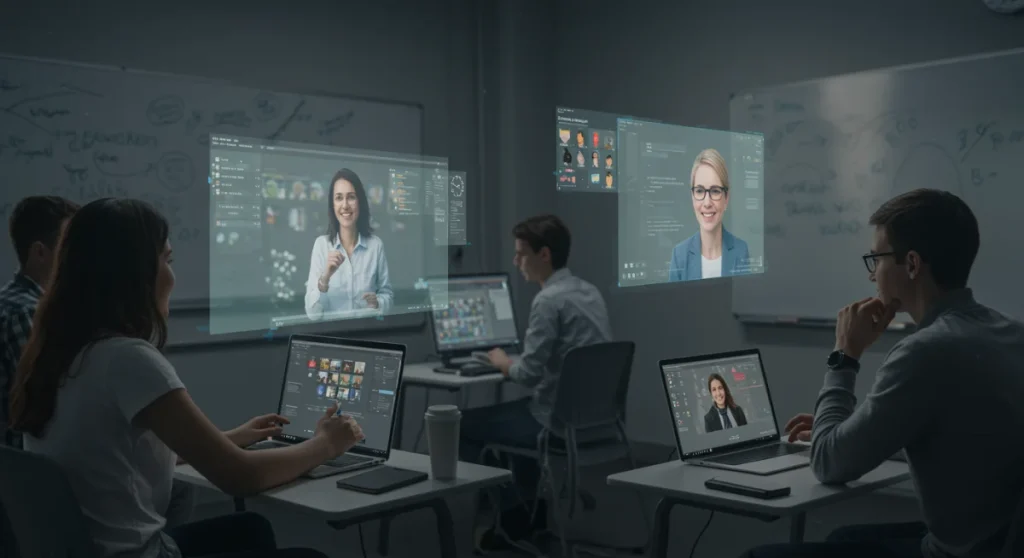
The future of online learning in the US beyond 2025 is characterized by accelerated integration of advanced technologies, personalized educational experiences, and expanded access, fundamentally reshaping traditional academic models.
As we advance towards and beyond 2025, the landscape of education is undergoing a profound transformation, with the future of online learning in the US standing at the forefront of this evolution. What once was a niche alternative has rapidly become a central pillar of the American educational system, continuously adapting to technological advancements and societal needs. This shift presents both exciting predictions and significant opportunities for learners, educators, and institutions across the nation.
The Evolution of Online Pedagogy and Accessibility
Online learning has moved far beyond simple video lectures and static content. The pedagogical approaches are becoming increasingly sophisticated, focusing on interactive, engaging, and flexible learning experiences that cater to diverse student needs. This evolution is also significantly enhancing accessibility, breaking down geographical and socio-economic barriers to education.
Institutions are investing heavily in curriculum design that leverages digital tools to foster critical thinking, collaboration, and practical skill development. The shift is not just about moving classes online but rethinking how learning itself happens in a virtual space.
Personalized Learning Pathways
One of the most significant advancements lies in the ability to tailor educational content to individual learners. Artificial intelligence and data analytics are playing a crucial role in identifying student strengths, weaknesses, and preferred learning styles, enabling truly personalized educational journeys.
- Adaptive learning platforms adjust content difficulty in real-time.
- AI tutors provide instant feedback and support.
- Personalized dashboards track progress and suggest relevant resources.
Enhanced Accessibility and Inclusivity
Online platforms are inherently more accessible for students with diverse needs, including those with disabilities, working professionals, and individuals in remote areas. This focus on inclusivity is expanding the reach of quality education to populations previously underserved by traditional models.
- Flexible scheduling accommodates varied lifestyles.
- Closed captions and transcripts improve accessibility for hearing-impaired students.
- Online resources are often available 24/7, supporting different time zones.
The continuous refinement of online pedagogy and a strong commitment to accessibility are defining characteristics of the evolving online learning environment. These advancements ensure that education remains relevant and available to a broader spectrum of learners.
Technological Innovations Driving Online Education
The rapid pace of technological innovation is a primary catalyst for the advancements in online learning. From artificial intelligence to virtual reality, these tools are not just augmenting existing methods but creating entirely new possibilities for engagement and instruction. Beyond 2025, these technologies will become even more integrated into the fabric of digital education.
These innovations promise to make online learning more immersive, interactive, and effective, blurring the lines between physical and virtual classrooms. The focus is on creating rich, stimulating environments that mimic or even surpass the benefits of traditional settings.
Artificial Intelligence and Machine Learning
AI and machine learning algorithms are revolutionizing how content is delivered and how students interact with educational materials. These technologies enable sophisticated analysis of learning patterns and provide intelligent support systems.
- AI-powered content recommendation engines suggest relevant courses.
- Automated grading systems for objective assessments.
- Predictive analytics identify students at risk of falling behind.
Virtual and Augmented Reality Experiences
VR and AR are transforming passive content consumption into active, experiential learning. These immersive technologies offer unparalleled opportunities for practical application and exploration, especially in fields requiring hands-on experience.
Imagine medical students performing virtual surgeries or history students exploring ancient civilizations through augmented reality overlays. These tools make abstract concepts tangible and complex procedures safer to practice. The potential for field trips to inaccessible locations or dangerous environments also becomes a reality, expanding the scope of educational experiences significantly.
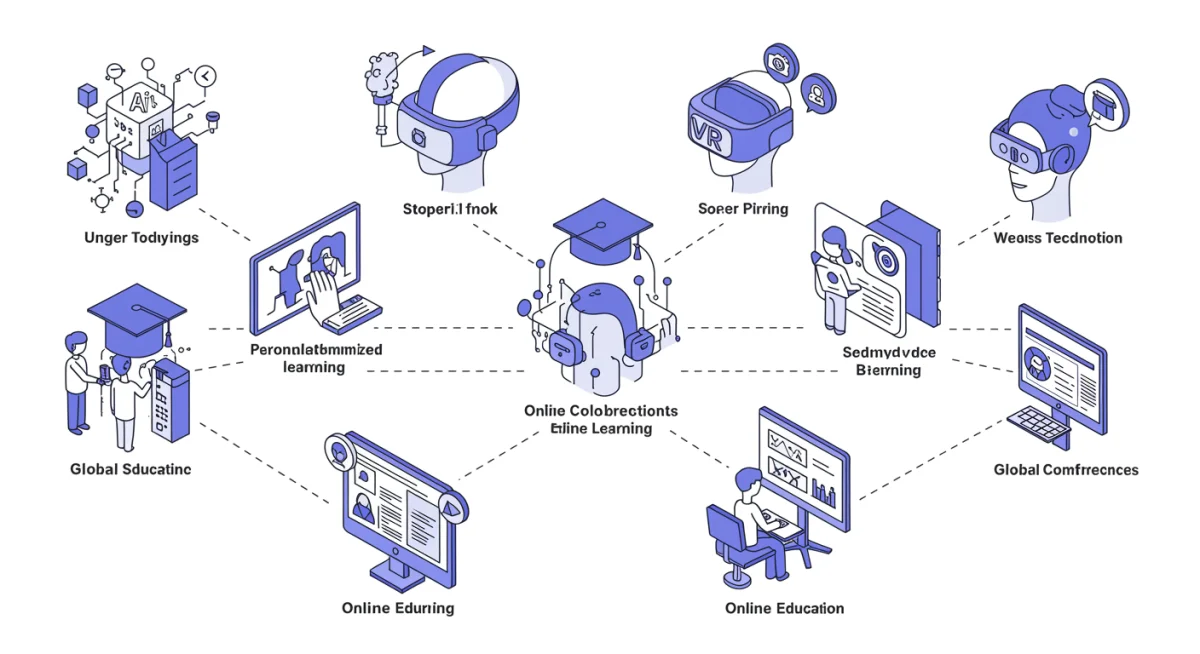
The integration of advanced technologies like AI, VR, and AR is not merely a trend but a fundamental shift in how online education is conceptualized and delivered. These tools are set to create more dynamic, personalized, and effective learning experiences for all.
The Role of Hybrid Models and Blended Learning
While fully online programs will continue to thrive, the future of education in the US is also heavily leaning towards hybrid and blended learning models. These approaches combine the flexibility of online instruction with the benefits of in-person interaction, offering the best of both worlds. This adaptability is critical for meeting the diverse preferences and needs of modern learners.
Hybrid models are proving particularly effective in higher education and professional development, where students often balance their studies with work and personal commitments. They allow for a more nuanced and flexible approach to learning delivery.
Optimizing In-Person and Online Components
Effective hybrid models carefully design which components are best delivered online and which benefit most from face-to-face interaction. This strategic integration maximizes the strengths of each modality, leading to richer learning outcomes.
- Online modules for content delivery and self-paced study.
- In-person sessions for collaborative projects and discussions.
- Blended assessments combining digital submissions with live presentations.
Flexibility and Student Engagement
One of the primary advantages of hybrid learning is the enhanced flexibility it offers students, which in turn can lead to increased engagement and retention. Students can manage their learning schedules more effectively, reducing stress and improving overall satisfaction.
This flexibility doesn’t come at the expense of community. Many hybrid programs utilize online forums, virtual group work, and occasional in-person meetups to foster a strong sense of belonging among students. The combination helps mitigate the isolation sometimes associated with purely online learning, creating a more holistic educational experience.
Hybrid and blended learning models represent a sophisticated approach to education, leveraging the strengths of both online and traditional classroom settings to create flexible, engaging, and highly effective learning environments for the future.
Micro-credentials and Skills-Based Learning
The job market is rapidly evolving, demanding new skills and competencies at an unprecedented pace. In response, online learning is increasingly focusing on micro-credentials and skills-based programs, moving away from traditional degree structures as the sole measure of qualification. This shift allows individuals to acquire specific, in-demand skills quickly and efficiently.
This modular approach to education caters to lifelong learners and professionals seeking to upskill or reskill, making education more agile and responsive to industry needs. The emphasis is on demonstrable competence rather than just time spent in a classroom.
Responding to Industry Demands
Online platforms are uniquely positioned to offer specialized courses and certifications that directly address gaps in the workforce. These programs are often developed in collaboration with industry leaders, ensuring their relevance and practical application.
- Short-term courses focused on specific software or tools.
- Certificates in emerging fields like data science or cybersecurity.
- Partnerships with companies for internship and job placement.
Valuing Practical Competencies
The rise of micro-credentials signifies a broader cultural shift towards valuing practical, verifiable skills. Employers are increasingly looking for concrete abilities rather than just academic degrees, and online learning is facilitating this transition.
Digital badges and verifiable micro-certificates allow individuals to showcase their competencies in a transparent and standardized way. This system supports continuous professional development and helps individuals remain competitive in a dynamic job market. It also provides a clear pathway for career changers or those looking to expand their professional toolkit without committing to a multi-year degree program.
The focus on micro-credentials and skills-based learning highlights online education’s adaptability in preparing the workforce for future challenges, providing targeted and efficient pathways to career advancement and continuous learning.
Global Collaboration and Diversification of Content
Online learning inherently transcends geographical boundaries, fostering unprecedented opportunities for global collaboration and the diversification of educational content. Students and educators from around the world can connect, share perspectives, and learn from a rich tapestry of cultural and academic backgrounds. This global reach enriches the learning experience significantly.
The internet serves as a universal classroom, bringing together minds from different continents to tackle shared challenges and explore diverse viewpoints, making education a truly global endeavor.
International Partnerships and Exchange
Online platforms facilitate partnerships between institutions in different countries, leading to collaborative courses, joint research projects, and virtual exchange programs. These initiatives prepare students for an increasingly interconnected world.
- Virtual exchange programs offering cross-cultural learning.
- Joint degree programs with international universities.
- Guest lecturers from global experts enhance course content.
Access to Diverse Perspectives
The global nature of online learning means students are exposed to a wider range of viewpoints and teaching methodologies. This diversity is crucial for developing a nuanced understanding of complex global issues and fostering empathy and critical thinking.
Content can be curated from various international sources, offering different cultural, historical, and scientific perspectives that might not be available in a localized curriculum. This diversification enriches the learning materials and challenges students to think beyond their immediate environment, preparing them for global citizenship. The ability to collaborate on projects with peers from different backgrounds also builds essential intercultural communication skills.
Global collaboration and content diversification are key pillars of the future of online learning, creating a more interconnected, inclusive, and globally aware educational ecosystem for students in the US and beyond.
Challenges and Ethical Considerations in Online Learning
While the opportunities in online learning are vast, there are also significant challenges and ethical considerations that must be addressed to ensure its equitable and responsible development. These include issues of digital equity, data privacy, and maintaining academic integrity in a virtual space. Addressing these concerns is crucial for the sustainable growth of online education.
As technology advances, so too must our understanding of its implications and our commitment to ethical practices. Proactive measures are necessary to mitigate potential downsides.
Bridging the Digital Divide
Despite increased access, the digital divide remains a significant barrier for many students, particularly in underserved communities. Ensuring equitable access to reliable internet and necessary devices is a foundational challenge that needs urgent attention.
- Government initiatives to expand broadband access.
- Programs providing low-cost devices to students.
- Community centers offering public access to technology.
Data Privacy and Security
The collection of student data for personalized learning raises important questions about privacy and security. Institutions must implement robust measures to protect sensitive information and ensure transparency in data usage.
Clear policies regarding data ownership, usage, and anonymization are essential. Students and parents need to be confident that their personal and academic data is handled responsibly and securely. Furthermore, the ethical use of AI in assessing student performance and providing feedback must be carefully considered to avoid biases and ensure fairness. This requires ongoing dialogue between educators, technologists, and policymakers to establish best practices and regulations.
Navigating the challenges and ethical considerations is paramount for the continued growth and success of online learning. By proactively addressing issues like digital equity and data privacy, we can ensure that online education remains a powerful force for good.
| Key Trend | Brief Description |
|---|---|
| Personalized Learning | AI and data analytics tailoring educational content to individual student needs and preferences. |
| Immersive Technologies | Integration of VR and AR for experiential learning, creating engaging and interactive environments. |
| Micro-credentials | Shift towards skills-based learning and verifiable certifications to meet evolving job market demands. |
| Global Collaboration | Enhanced international partnerships and access to diverse content, fostering a global learning community. |
Frequently Asked Questions About Online Learning’s Future
AI will revolutionize personalized learning by enabling adaptive platforms that adjust curriculum in real-time, offering intelligent tutoring, and using predictive analytics to identify learning gaps. This will create highly customized educational paths for each student, optimizing engagement and outcomes.
Virtual reality (VR) will make online education more immersive and experiential. It will allow students to conduct virtual lab experiments, explore historical sites, or practice complex procedures in a safe, simulated environment, significantly enhancing practical skill development and engagement.
While traditional degrees retain value, micro-credentials are gaining significant traction due to their focus on specific, in-demand skills. They offer a flexible way for individuals to upskill and reskill, directly addressing current industry needs and providing quicker pathways to career advancement.
Addressing the digital divide will involve concerted efforts from governments, educational institutions, and communities. Initiatives will focus on expanding broadband internet access, providing affordable devices, and establishing public access points to ensure equitable opportunities for all learners.
Primary ethical concerns include data privacy and security, ensuring algorithmic fairness in AI-driven assessments, and maintaining academic integrity in virtual environments. Institutions must establish robust policies and transparent practices to build trust and protect student information.
Conclusion
The trajectory of online learning in the US for 2025 and beyond points towards a dynamic, technology-rich, and increasingly personalized educational landscape. While significant opportunities for enhanced accessibility, global collaboration, and skills-based learning abound, addressing challenges such as the digital divide and ethical considerations will be crucial. The continuous evolution of online platforms promises to reshape education, making it more flexible, inclusive, and responsive to the demands of a rapidly changing world.