Federal Employee Benefits 2026: FEHB & FERS Changes Guide

Understanding changes to federal employee benefits in 2026, including FEHB and FERS, is crucial for federal workers to effectively plan their healthcare and retirement.
As we approach 2026, federal employees across the United States are keenly anticipating and, in some cases, preparing for significant adjustments to their benefits packages. The landscape of federal employment benefits is complex, encompassing vital programs like the Federal Employee Health Benefits (FEHB) and the Federal Employees Retirement System (FERS). Navigating these changes requires a clear understanding, proactive planning, and access to reliable information. This comprehensive guide aims to shed light on the expected modifications, helping federal workers make informed decisions about their future financial and healthcare security. Understanding these shifts is paramount for ensuring continued well-being and financial stability in the years to come.
Understanding the Federal Employee Health Benefits (FEHB) in 2026
The Federal Employee Health Benefits (FEHB) program is a cornerstone of compensation for federal employees, offering a wide array of health plans. As 2026 approaches, it’s essential to understand that while the core structure of FEHB is robust, specific plan offerings, premiums, and coverage details are subject to annual adjustments. These changes are influenced by various factors, including healthcare costs, legislative updates, and negotiations between the Office of Personnel Management (OPM) and participating health carriers.
Federal employees should prepare for potential shifts in their healthcare landscape. It’s not uncommon for plans to introduce new benefits, modify existing ones, or adjust their network of providers. Staying informed about these nuances is critical to ensuring your chosen plan continues to meet your family’s healthcare needs and financial expectations.
Expected Changes in FEHB Premiums and Coverage
One of the most frequently discussed aspects of FEHB is the annual adjustment of premiums. These changes can directly impact a federal employee’s take-home pay. In 2026, we can anticipate premium adjustments driven by national healthcare inflation, utilization rates, and the evolving costs of medical technology and pharmaceuticals. Furthermore, coverage details might see modifications, such as:
- Expansion of telehealth services: A continued trend toward virtual care options.
- Changes in prescription drug formularies: Updates to covered medications and cost-sharing tiers.
- Adjustments to deductible and out-of-pocket maximums: Potential shifts in financial responsibility for services.
Beyond premiums, employees should also pay close attention to any alterations in covered services. For instance, there might be new emphasis on preventive care, mental health services, or chronic disease management programs. These enhancements are often designed to improve overall employee health and reduce long-term costs.
Navigating Your FEHB Options During Open Season
The annual Open Season is the designated period for federal employees to review and change their FEHB enrollment. For 2026, this period will be crucial for evaluating how the updated plans align with your personal and family health requirements. It’s not merely about choosing the cheapest option, but rather the plan that offers the best value in terms of coverage, provider access, and cost-sharing.
Employees are encouraged to compare plans thoroughly, utilizing resources like OPM’s online tools and plan brochures. Consider factors such as your anticipated medical needs, preferred doctors, and prescription drug usage. Making an informed decision during Open Season can prevent unexpected financial burdens and ensure access to necessary care throughout the year.
In conclusion, while the FEHB program remains a robust benefit, 2026 will bring its share of adjustments. Proactive research and careful consideration during Open Season are essential for federal employees to secure optimal healthcare coverage for themselves and their families.
Federal Employees Retirement System (FERS) Updates for 2026
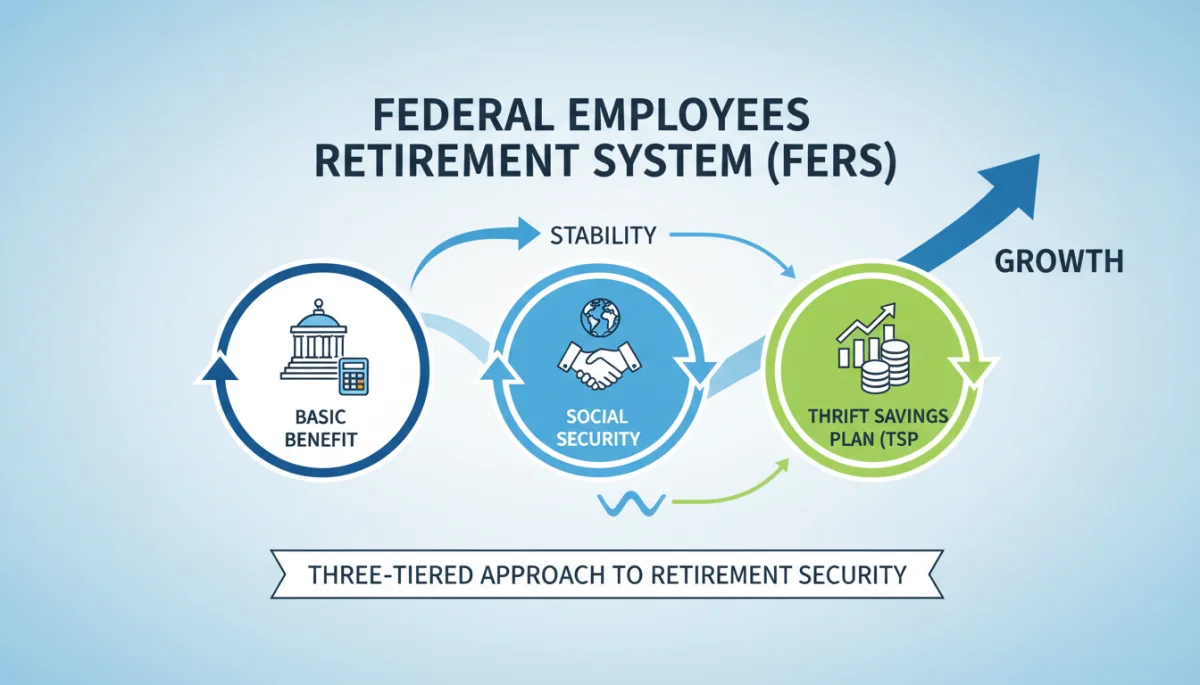
The Federal Employees Retirement System (FERS) is a three-tiered retirement plan comprising a Basic Benefit Plan, Social Security, and the Thrift Savings Plan (TSP). For many federal employees, FERS represents the bedrock of their retirement security. As we look towards 2026, it’s important to recognize that while the fundamental structure of FERS is stable, there can be subtle yet significant adjustments that impact future retirees. These adjustments often stem from legislative actions, economic forecasts, and OPM policy revisions.
Understanding these potential updates is not just for those nearing retirement; even newer federal employees should be aware of how changes might shape their long-term financial planning. Proactive engagement with FERS information ensures that employees can maximize their retirement savings and benefits.
Potential Changes to FERS Basic Benefit Calculation
The FERS Basic Benefit is a defined benefit component, calculated based on an employee’s high-3 average salary and years of service. While major overhauls to this calculation are rare, minor legislative changes could impact factors such as the multiplier used in the formula, or the criteria for eligibility. These changes, if enacted, could slightly alter the projected annuity for future retirees. Employees should remain vigilant for any official announcements from Congress or OPM regarding modifications to the FERS Basic Benefit structure.
For example, discussions around budget constraints or economic adjustments could lead to proposals affecting the FERS formula. Staying updated through official government channels is crucial for accurate planning.
Thrift Savings Plan (TSP) Enhancements and Investment Options
The Thrift Savings Plan (TSP) is a defined contribution plan similar to a 401(k), offering federal employees a powerful tool for retirement savings. The TSP has consistently evolved, introducing new features and investment options to better serve its participants. In 2026, we might see further enhancements, such as:
- New fund offerings: Introduction of additional investment funds, potentially including more diverse asset classes or ESG (Environmental, Social, and Governance) options.
- Improved withdrawal flexibility: Revisions to post-separation withdrawal options, providing greater control over retirement income.
- Enhanced educational resources: More robust tools and guidance to help participants make informed investment decisions.
These enhancements are designed to give federal employees more control and flexibility over their retirement investments, potentially leading to better long-term outcomes. Regularly reviewing your TSP allocations and understanding new features is a key part of effective retirement planning.
Social Security and FERS: What to Expect
Social Security is the third leg of the FERS stool, providing a vital income stream in retirement. While Social Security is a separate program, its interaction with FERS is critical for comprehensive retirement planning. Changes to Social Security, such as adjustments to the full retirement age or cost-of-living adjustments (COLAs), directly impact FERS retirees. Federal employees should monitor broader Social Security reforms, as these will inevitably affect their overall retirement income. The combined effect of FERS Basic Benefit, TSP, and Social Security determines the financial security of federal retirees.
In essence, understanding FERS in 2026 involves staying informed about potential legislative shifts, leveraging TSP enhancements, and recognizing the interplay with Social Security. Proactive planning is the best strategy for a secure federal retirement.
Impact of Legislative Changes on Federal Benefits
Federal employee benefits are not static; they are shaped by a dynamic interplay of legislative decisions, economic conditions, and administrative policies. Understanding the potential for legislative changes is crucial for any federal worker planning their future. Congress holds the ultimate authority to modify benefit programs, and these changes can range from minor adjustments to significant overhauls. Historically, legislative actions have influenced everything from retirement eligibility to healthcare contributions.
As we head into 2026, various legislative proposals could be on the table. These proposals are often driven by fiscal concerns, economic priorities, or efforts to modernize federal employment practices. Staying informed about these potential legislative shifts is a critical aspect of proactive benefits management.
Key Legislative Areas to Monitor for 2026
Several areas are frequently subjects of legislative debate concerning federal benefits. These include, but are not limited to, the structure of retirement contributions, the government’s share of health insurance premiums, and the overall funding mechanisms for these programs. For 2026, federal employees should pay close attention to discussions around:
- Budget reconciliation bills: These often contain provisions that can impact federal pay and benefits.
- Annual appropriations acts: These set funding levels for various government programs, indirectly affecting benefits.
- Specific reform legislation: Bills introduced to address perceived inefficiencies or inequities in federal benefit systems.
Any of these legislative avenues could lead to changes in how benefits are administered, funded, or received. For instance, a change in the government’s contribution to FEHB premiums could significantly alter an employee’s out-of-pocket costs.
How Proposed Bills Could Affect FEHB and FERS
Proposed legislation can have a direct impact on both FEHB and FERS. For FEHB, a bill might seek to alter the formula for calculating the government’s share of premiums, potentially increasing or decreasing employee contributions. It could also introduce new requirements for health plans or mandate certain coverage expansions.
For FERS, legislative proposals might target the annuity calculation, employee contribution rates, or even the eligibility criteria for retirement. While radical changes are often met with significant resistance, even minor adjustments can have long-term financial implications for federal employees. For example, a slight increase in employee FERS contributions could accumulate into a substantial amount over a career.
In summary, legislative changes are a constant variable in the federal benefits equation. Federal employees must monitor congressional activity, understand the potential implications of proposed bills, and be prepared to adapt their financial and retirement planning strategies accordingly. Proactive engagement with policy discussions helps employees anticipate and respond to these shifts effectively.
Maximizing Your Benefits: Strategic Planning for Federal Employees
For federal employees, simply being enrolled in FEHB and FERS is a good start, but truly maximizing these benefits requires strategic planning. As 2026 approaches with its potential changes, now is an opportune time to reassess your current choices and consider how adjustments might enhance your long-term financial security and healthcare coverage. Strategic planning goes beyond passive enrollment; it involves active decision-making based on personal circumstances, career trajectory, and future goals.
Effective planning ensures that you are not just receiving benefits, but optimizing them to serve your specific needs. This includes understanding the nuances of each program and making choices that align with your individual and family priorities.
Optimizing Your FEHB Choices
When it comes to FEHB, optimization means selecting a plan that offers the best balance of coverage, cost, and access for your particular situation. This isn’t a one-size-fits-all decision, and what works for one employee might not work for another. Consider the following strategies:
- Annual review of health needs: Evaluate your family’s anticipated medical needs, including doctor visits, prescriptions, and potential procedures.
- Network analysis: Ensure your preferred doctors and specialists are in-network to avoid higher out-of-pocket costs.
- Cost-sharing comparison: Look beyond premiums to compare deductibles, co-pays, and out-of-pocket maximums across plans.
For instance, if you anticipate significant medical expenses, a plan with higher premiums but lower deductibles and co-pays might be more cost-effective. Conversely, if you are generally healthy, a high-deductible health plan (HDHP) with a Health Savings Account (HSA) could be a smart choice.
Strategic FERS and TSP Contributions
Maximizing your FERS benefits primarily involves understanding contribution rates and leveraging the TSP effectively. For FERS, ensure you are aware of any changes to employee contribution percentages. For the TSP, strategic planning is even more critical:
- Maximize agency matching: Contribute at least 5% of your salary to receive the full agency matching contribution, which is essentially free money.
- Diversify investments: Regularly review your TSP fund allocations (G, F, C, S, I, and L Funds) to ensure they align with your risk tolerance and investment goals.
- Catch-up contributions: If you are age 50 or older, take advantage of catch-up contributions to boost your retirement savings.
Consider consulting with a financial advisor specializing in federal benefits to help you create a personalized TSP investment strategy. This can help you navigate market fluctuations and ensure your retirement savings grow optimally.
In conclusion, strategic planning is not a one-time event but an ongoing process. By regularly reviewing your FEHB options, optimizing your FERS and TSP contributions, and staying informed about potential changes, federal employees can significantly enhance their overall benefits package and secure a more stable future.
Resources and Tools for Federal Employees
Navigating the complexities of federal employee benefits, especially with anticipated changes in 2026, can be daunting. Fortunately, a wealth of resources and tools are available to help federal workers understand, manage, and optimize their FEHB and FERS benefits. Accessing reliable and up-to-date information is paramount for making informed decisions. These resources range from official government portals to specialized financial advisors, all designed to empower federal employees in their benefits planning.
Leveraging these tools can simplify the process of comparing plans, calculating retirement projections, and staying informed about legislative updates. Knowing where to look for accurate information is the first step towards effective benefits management.
Official Government Resources
The primary source for accurate and comprehensive information regarding federal benefits is the U.S. government itself. Several official websites and publications are indispensable for federal employees:
- Office of Personnel Management (OPM) website: OPM is the central agency for federal human resources. Their website provides detailed information on FEHB, FERS, and other benefits, including plan brochures, premium rates, and policy updates.
- Thrift Savings Plan (TSP) website: The official TSP site offers tools for managing your account, investment fund performance data, and educational materials on retirement planning.
- Social Security Administration (SSA) website: For information on Social Security benefits, including estimated earnings statements and retirement calculators.
These official sources are updated regularly and are the most authoritative places to find information on current and upcoming changes to federal benefits. Always cross-reference information with these sites to ensure accuracy.
Benefit Calculators and Planning Tools
Beyond informational websites, several online calculators and planning tools can help federal employees project their future benefits and make strategic decisions. These tools can provide personalized insights into retirement income, healthcare costs, and savings growth:
- FEHB Plan Comparison Tool: OPM typically provides a tool during Open Season to compare different FEHB plans side-by-side, based on your anticipated healthcare usage.
- FERS Retirement Calculator: Various calculators (some official, some third-party) can estimate your FERS annuity based on your high-3 salary, years of service, and retirement age.
- TSP Retirement Income Calculator: The TSP website offers tools to project your TSP account balance at retirement and estimate potential monthly income from your savings.
These tools are invaluable for visualizing the impact of different choices and making data-driven decisions about your benefits.
Professional Advice and Workshops
For those who prefer personalized guidance, professional advice can be extremely beneficial. Many financial advisors specialize in federal benefits and can offer tailored strategies for FEHB, FERS, and TSP. Additionally, agencies often host workshops and seminars on benefits planning, providing an opportunity to learn from experts and ask specific questions. These educational opportunities are a great way to deepen your understanding and ensure you are making the best choices for your unique situation.
Ultimately, a combination of official resources, online tools, and professional advice forms a comprehensive approach to managing federal employee benefits. By actively utilizing these resources, federal employees can confidently navigate the changes of 2026 and secure their financial future.
The Future Landscape of Federal Employee Benefits Beyond 2026
While our immediate focus is on federal employee benefits in 2026, it’s equally important to cast an eye towards the horizon and consider the long-term trends and potential developments that could shape federal benefits beyond that year. The benefits landscape is not static; it’s a continuously evolving system influenced by demographic shifts, economic conditions, technological advancements, and political priorities. Understanding these broader trends can help federal employees anticipate future changes and plan accordingly, ensuring their long-term financial and healthcare security.
Thinking beyond the immediate future allows for more robust and resilient planning. It encourages employees to build flexibility into their financial strategies, preparing for potential shifts that may emerge over the next decade or more.
Long-Term Trends Affecting FEHB
The FEHB program will likely continue to adapt to the evolving healthcare environment. Key long-term trends that could influence FEHB beyond 2026 include:
- Rising healthcare costs: Persistent inflation in medical services and prescription drugs will continue to put pressure on premiums and cost-sharing.
- Technological advancements: New medical technologies and treatments may lead to both improved care and increased costs, necessitating adjustments in coverage.
- Emphasis on preventive care and wellness: A growing focus on proactive health management could lead to new benefits and incentives within FEHB plans.
- Telehealth integration: The increased adoption of telehealth services is likely to become a permanent fixture, potentially expanding access and convenience.
These trends suggest that FEHB plans will continue to innovate, seeking ways to provide comprehensive care while managing costs. Employees should expect ongoing evolution in plan design and benefit offerings.
FERS and Retirement Planning: A Forward Look
The FERS system, while generally stable, may face long-term pressures related to demographics and fiscal sustainability. As the federal workforce ages, the balance between active contributors and retirees could lead to discussions about the program’s long-term viability. Potential areas of focus beyond 2026 could include:
- Adjustments to retirement age: While politically sensitive, changes to the full retirement age could be discussed in the context of increasing life expectancies.
- FERS contribution rates: Further adjustments to employee contribution rates could be considered to ensure the system’s solvency.
- TSP investment evolution: The Thrift Savings Plan may continue to expand its investment options and digital tools, aligning with broader trends in the private sector retirement plans.
For federal employees, this means that while FERS remains a strong foundation, continuous engagement with their retirement planning is crucial. This includes regular review of TSP allocations and staying informed about any legislative proposals that could impact the basic benefit.
The Role of Economic and Political Factors
Beyond specific program details, broader economic and political factors will undoubtedly shape federal benefits. Economic growth, inflation, and federal budget priorities all play a significant role. Political shifts, such as changes in congressional leadership or presidential administrations, can also bring new perspectives and reform agendas to federal employment policies. Federal employees should view their benefits as part of a larger ecosystem, influenced by national priorities and global events.
In conclusion, while 2026 presents immediate considerations, a forward-looking perspective on federal employee benefits is vital. By understanding long-term trends and staying attuned to economic and political influences, federal employees can better prepare for the future and ensure their benefits continue to support their well-being.
Preparing for Open Season 2026: A Checklist
The annual Open Season is a critical period for federal employees to review and adjust their benefits. With the anticipated changes affecting federal employee benefits in 2026, preparing adequately for Open Season is more important than ever. This preparation isn’t just about making last-minute decisions; it’s about a thoughtful, systematic approach that ensures you choose the best options for your healthcare and financial security. A well-executed Open Season strategy can prevent costly mistakes and optimize your benefits package for the coming year.
Having a clear checklist can streamline the process, reduce stress, and help you focus on the most important aspects of your benefit choices. It’s an opportunity to align your benefits with your current life stage and future aspirations.
Key Steps for FEHB Review
Before Open Season officially begins, there are several actions you can take to prepare for your FEHB review. These steps will help you make an informed decision when it’s time to enroll:
- Gather current plan information: Have your current FEHB plan’s brochure, summary of benefits, and recent Explanation of Benefits (EOBs) handy.
- Assess health needs: Reflect on your past year’s healthcare utilization and anticipate any upcoming medical needs for yourself and your family. Consider planned procedures, new prescriptions, or changes in family health.
- Review OPM resources: Visit the OPM website to look for preliminary announcements regarding 2026 FEHB changes, including new plans or significant modifications to existing ones.
By understanding your current plan and anticipated needs, you’ll be better positioned to evaluate alternatives effectively. This proactive approach saves time and reduces confusion during the busy Open Season period.
FERS and TSP Considerations During Open Season
While Open Season is primarily associated with FEHB, it’s also an opportune time to review your FERS and TSP strategies. Although direct enrollment changes to FERS are less common during Open Season, it’s a good moment to:
- Review TSP contributions: Confirm you are contributing at least 5% to get the full agency match. Consider increasing your contributions if your financial situation allows, especially if you are nearing retirement.
- Check TSP allocations: Evaluate your investment choices within the TSP. Ensure your fund selections (G, F, C, S, I, L Funds) still align with your risk tolerance and long-term financial goals.
- Understand FERS eligibility: Reconfirm your FERS retirement eligibility criteria, including minimum retirement age (MRA) and years of service, particularly if there have been any legislative discussions.
Using Open Season as a trigger to review your broader retirement planning ensures that all aspects of your federal benefits are optimized.
Creating Your Personalized Open Season Checklist
To ensure you cover all bases, create a personalized checklist:
- Confirm Open Season dates: Mark your calendar for the official start and end dates.
- Set aside dedicated review time: Block out time to thoroughly compare plans and make decisions without rush.
- Identify questions: Note down any questions you have for your current plan provider or OPM.
- Consult an advisor (if needed): If you have complex situations, consider a consultation with a financial advisor specializing in federal benefits.
- Finalize and submit changes: Ensure all enrollment changes are submitted accurately and on time.
By following this systematic approach, federal employees can confidently navigate Open Season 2026, making choices that best support their health and financial well-being.
| Key Aspect | Brief Description for 2026 |
|---|---|
| FEHB Premiums & Coverage | Expect annual adjustments to premiums, deductibles, and potentially expanded telehealth or mental health services. |
| FERS Basic Benefit | While stable, minor legislative tweaks to calculation or eligibility criteria are possible; monitor OPM announcements. |
| Thrift Savings Plan (TSP) | Look for potential new fund offerings, improved withdrawal flexibility, and enhanced educational resources. |
| Legislative Impact | Monitor budget bills and reform legislation as they can directly influence federal benefits funding and structure. |
Frequently Asked Questions About 2026 Federal Benefits
Primary factors include national healthcare inflation, the rising cost of medical services and prescription drugs, and adjustments based on utilization rates. OPM’s negotiations with health carriers also play a significant role in determining premium rates and coverage details for the upcoming year.
While the core FERS annuity calculation formula is generally stable, minor legislative changes could potentially affect the multiplier or eligibility criteria. Federal employees should monitor official OPM and congressional announcements for any specific modifications impacting the basic benefit calculation.
To prepare for Open Season 2026, review your current plan’s benefits and your family’s anticipated healthcare needs. Utilize OPM’s plan comparison tools, compare premiums and cost-sharing across different plans, and ensure your preferred providers are in-network for any new plans you consider.
The Thrift Savings Plan continually evaluates its offerings. While specific new options for 2026 are not yet confirmed, the TSP has historically introduced new investment funds, enhanced withdrawal flexibility, and improved educational resources. Participants should regularly check the official TSP website for updates.
The most reliable sources for information on 2026 federal benefit changes are official government websites. These include the Office of Personnel Management (OPM.gov), the Thrift Savings Plan (TSP.gov), and the Social Security Administration (SSA.gov). These sites provide comprehensive and up-to-date details.
Conclusion
Navigating the evolving landscape of federal employee benefits in 2026 requires diligence and proactive engagement. From potential adjustments in FEHB premiums and coverage to subtle shifts within the FERS and TSP, federal workers must stay informed and strategically plan to secure their financial and healthcare futures. By leveraging official government resources, utilizing available planning tools, and preparing meticulously for Open Season, employees can optimize their benefits and adapt to any changes. A well-informed approach ensures that federal employees continue to receive the maximum value from their comprehensive benefits package, contributing to their long-term well-being and stability.