2026 Social Security Adjustments: COLA Changes & Beneficiary Impact

The 2026 Social Security COLA (Cost-of-Living Adjustment) is a crucial annual change designed to help beneficiaries maintain their purchasing power against inflation, directly impacting monthly payments for retirees, survivors, and disabled individuals.
As we look toward the future, understanding the 2026 Social Security COLA adjustments becomes paramount for millions of Americans. These annual changes directly influence the financial well-being of retirees, survivors, and individuals with disabilities, making it essential to grasp what to expect and how to prepare.
The mechanics of COLA: How it’s calculated
The Cost-of-Living Adjustment (COLA) is a critical component of the Social Security system, designed to ensure that the purchasing power of benefits is not eroded by inflation. Each year, the Social Security Administration (SSA) announces a COLA, which adjusts benefit payments to keep pace with the rising cost of goods and services. This adjustment is not arbitrary; it follows a specific formula tied to economic indicators.
The primary index used for COLA calculations is the Consumer Price Index for Urban Wage Earners and Clerical Workers (CPI-W). This index measures the average change over time in the prices paid by urban wage earners and clerical workers for a market basket of consumer goods and services. The SSA compares the CPI-W from the third quarter of the current year to the third quarter of the previous year. The percentage increase, if any, determines the COLA for the upcoming year.
Understanding the CPI-W’s role
The CPI-W is a specific measure of inflation that reflects the spending habits of a particular segment of the population. While other CPI indices exist, such as the CPI-U (Consumer Price Index for All Urban Consumers), the CPI-W has historically been the benchmark for Social Security COLAs. This choice has implications for how accurately the COLA reflects the actual spending patterns and cost increases experienced by seniors, who often have different expenditure profiles than urban wage earners.
- CPI-W Focus: Primarily reflects costs for urban wage earners and clerical workers.
- Quarterly Comparison: Compares third-quarter data year-over-year.
- Inflation Gauge: Serves as the official measure for Social Security COLA.
- Benefit Protection: Aims to prevent the erosion of purchasing power.
The calculation process is straightforward but hinges entirely on the observed inflation rates. If the CPI-W shows an increase, beneficiaries will see a corresponding rise in their monthly payments. If there’s no increase or a decrease, the COLA will be zero, meaning benefits remain unchanged. This mechanism provides a direct link between economic realities and the financial support provided by Social Security.
In essence, the COLA serves as a vital safeguard for Social Security beneficiaries, shielding them from the brunt of inflation. By understanding how it’s calculated, individuals can better anticipate potential changes to their benefits and plan their finances accordingly, ensuring their retirement or disability income retains its value over time.
Historical COLA trends and future projections
Examining past COLA adjustments provides valuable context for understanding potential future changes, including the highly anticipated 2026 Social Security COLA. Historically, COLA rates have fluctuated significantly, reflecting the dynamic nature of the economy and inflation. Periods of high inflation have led to substantial increases, while times of low inflation or deflation have resulted in minimal or no adjustments.
In recent decades, COLAs have ranged from zero percent in some years to over 5% or even higher during periods of elevated inflation. For instance, the early 1980s saw very high COLAs due to rampant inflation, while the late 2000s and early 2010s experienced several years of very low or no COLA. These trends underscore the unpredictable nature of economic forces that directly influence beneficiary incomes.
Factors influencing future COLA estimates
Projecting the 2026 COLA involves analyzing various economic indicators and expert forecasts. Key factors include global economic growth, energy prices, supply chain stability, and consumer demand. Inflationary pressures can arise from multiple sources, such as geopolitical events, fiscal policies, and labor market conditions. Analysts often look at long-term inflation trends, interest rate policies from the Federal Reserve, and commodity prices to form their estimates.
- Global Economic Stability: Influences supply and demand, affecting prices.
- Energy Costs: A significant driver of overall inflation, especially for transportation and utilities.
- Supply Chain Resilience: Disruptions can lead to price increases due to scarcity.
- Consumer Spending: Strong demand can push prices higher.
While precise predictions for the 2026 COLA are speculative this far out, general economic outlooks can offer some clues. If inflationary pressures persist or intensify, beneficiaries could anticipate a more significant adjustment. Conversely, a period of economic cooling or disinflation might lead to a more modest COLA. It’s crucial for beneficiaries and those planning for retirement to stay informed about these broader economic trends, as they directly impact the purchasing power of Social Security benefits.
Understanding these historical patterns and the underlying economic drivers helps individuals manage expectations and plan for their financial future. The COLA is a reactive measure, designed to catch up with inflation, making it essential to monitor economic forecasts as they evolve closer to the announcement period for the 2026 adjustment.
Impact of the 2026 COLA on beneficiaries
The 2026 Social Security COLA will have a direct and tangible impact on the monthly payments received by millions of beneficiaries across the United States. This adjustment is not merely a number; it translates into real changes in income for retirees, individuals with disabilities, and survivors. The primary goal of COLA is to help these individuals maintain their standard of living by offsetting the increased cost of goods and services.
For many, Social Security benefits represent a significant portion of their income, making any adjustment critical. A higher COLA means more disposable income, potentially easing financial strain related to housing, food, healthcare, and transportation. Conversely, a lower or zero COLA can mean a tighter budget, requiring beneficiaries to find ways to stretch their existing income further.
Navigating increased costs of living
While a COLA increase is generally welcomed, it’s essential to understand that it is designed to keep pace with inflation, not necessarily to provide a net increase in purchasing power. If the COLA is lower than the actual inflation experienced by seniors, particularly in areas like healthcare and prescription drugs, beneficiaries might still feel a squeeze. Medicare Part B premiums, for instance, are often deducted directly from Social Security benefits and can increase, effectively reducing the net gain from a COLA.
- Increased Monthly Income: Direct rise in Social Security payments.
- Purchasing Power Maintenance: Helps offset inflation on daily expenses.
- Medicare Premium Impact: Potential offset from rising Part B premiums.
- Budgetary Adjustments: May require re-evaluating spending habits.
Beneficiaries should also consider how the COLA might affect their overall financial planning. For those who rely heavily on Social Security, even a small percentage increase can make a difference. It’s an opportune time to review personal budgets, assess spending habits, and consider any adjustments needed to accommodate the new benefit amount. For some, a higher benefit might push them into a different tax bracket, affecting the taxation of their Social Security benefits.
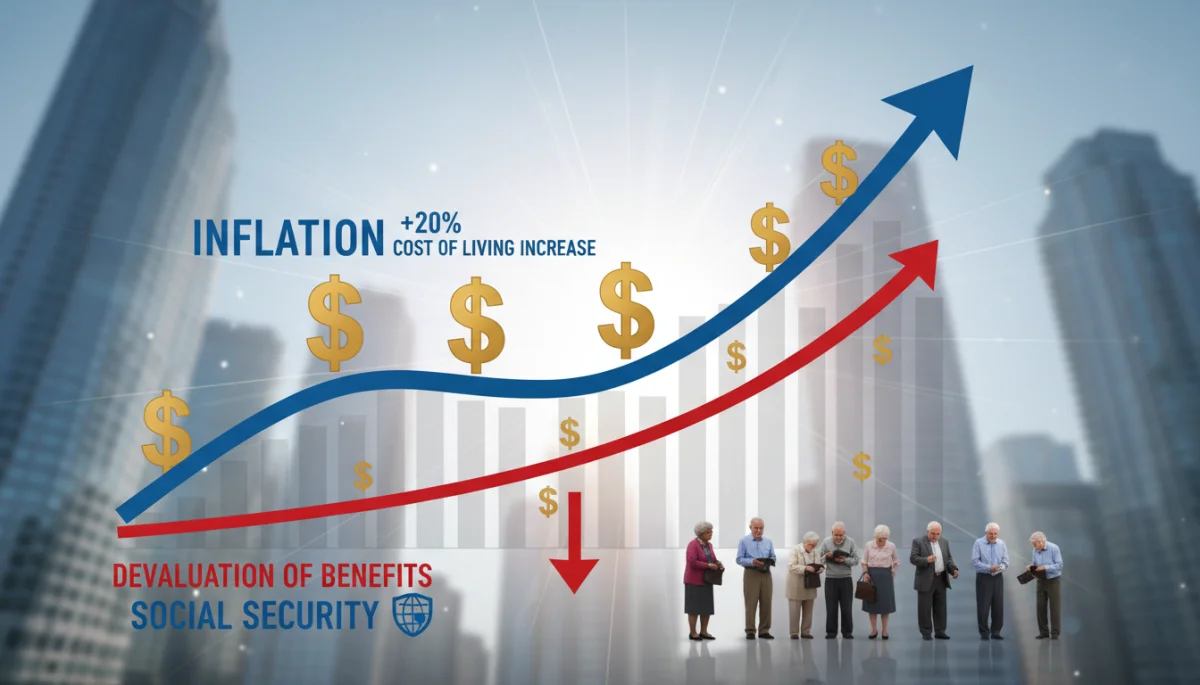
Ultimately, the 2026 COLA will be a crucial factor in the financial landscape for beneficiaries. Staying informed about the announced adjustment and understanding its implications is key to effective financial management, ensuring that individuals can continue to meet their needs and maintain their quality of life in retirement or while receiving disability benefits.
Strategies for beneficiaries to prepare for 2026 adjustments
Preparing for the 2026 Social Security COLA adjustments involves more than just waiting for the announcement; it requires proactive financial planning. Beneficiaries, whether current or future, can take several steps to optimize their financial situation regardless of the COLA’s size. This foresight can help mitigate potential challenges and maximize the impact of any benefit increase.
One fundamental strategy is to regularly review and adjust personal budgets. Understanding where money is spent and identifying areas for potential savings can create a buffer against rising costs, even if the COLA is modest. This exercise is particularly important for fixed-income households, where every dollar counts. Tracking expenses for several months can reveal spending patterns and opportunities for optimization.
Financial planning and resource utilization
Beyond budgeting, beneficiaries should explore all available resources and programs that can complement their Social Security income. This might include state or local assistance programs for seniors, energy assistance programs, or prescription drug discount programs. Many organizations offer free financial counseling services that can help individuals navigate their options and create a sustainable financial plan.
- Budget Review: Regularly assess income and expenses, identify savings.
- Resource Exploration: Investigate state and local assistance programs.
- Healthcare Planning: Understand Medicare costs and supplemental insurance.
- Income Diversification: Explore part-time work or investment income.
Another crucial area is healthcare planning. Medicare premiums and out-of-pocket medical expenses can significantly impact a beneficiary’s net income. Understanding how Medicare Part B premiums are calculated and how potential COLA increases might affect them (e.g., through Income-Related Monthly Adjustment Amounts, or IRMAA) is vital. Exploring supplemental insurance options, such as Medigap or Medicare Advantage plans, can help manage healthcare costs more effectively.
For those still working or considering part-time work in retirement, understanding the Social Security earnings limit can also be beneficial. Earning too much while receiving benefits before full retirement age can lead to a temporary reduction in benefits, which are later restored. Planning employment around these limits can help maximize overall income. By taking these proactive steps, beneficiaries can better position themselves to adapt to the 2026 Social Security adjustments and maintain financial stability.
The broader economic context: Inflation and cost of living
The 2026 Social Security COLA doesn’t exist in a vacuum; it’s a direct response to the broader economic context, particularly inflation and the overall cost of living. Understanding these larger forces is crucial for beneficiaries to grasp why COLAs fluctuate and what they truly signify for their financial well-being. Inflation, simply put, is the rate at which the general level of prices for goods and services is rising, and subsequently, the purchasing power of currency is falling.
Various factors contribute to inflation. Demand-pull inflation occurs when aggregate demand in an economy outpaces aggregate supply, driving prices up. Cost-push inflation happens when the cost of producing goods and services increases, leading producers to raise prices. Global events, such as supply chain disruptions, energy price shocks, and geopolitical conflicts, can also have a profound impact on inflation, often creating ripple effects across various sectors of the economy.
Measuring the cost of living for seniors
While the CPI-W is used for COLA calculations, it’s often debated whether it fully captures the cost of living for seniors. Many argue that the expenditure patterns of older adults differ significantly from those of urban wage earners, particularly regarding healthcare and housing costs. Seniors typically spend a larger proportion of their income on medical care, which often experiences higher inflation rates than other goods and services.
- Inflationary Drivers: Demand-pull, cost-push, and global events.
- CPI-W Limitations: May not fully reflect senior-specific costs.
- Healthcare Expenses: Disproportionately affect senior budgets.
- Housing Costs: A major expense often rising faster than general inflation.
The debate around using an alternative index, such as the Consumer Price Index for the Elderly (CPI-E), has been ongoing for years. The CPI-E is designed to reflect the spending habits of those aged 62 and older. If adopted, it could potentially lead to different COLA outcomes, possibly higher, as it would give more weight to categories like healthcare. However, administrative and methodological challenges have prevented its widespread adoption for COLA purposes.
For beneficiaries, recognizing these economic dynamics means understanding that the COLA is a mechanism to help them keep pace, but it might not perfectly align with their personal inflation rate. Therefore, individual budgeting and financial planning remain critical tools to navigate the ever-changing economic landscape and ensure financial security in retirement or during disability.
Advocacy and future reforms for Social Security
The discussion around the 2026 Social Security COLA inevitably leads to broader conversations about the future of Social Security itself and potential reforms. Advocacy groups and policymakers continually debate how to ensure the long-term solvency of the program and whether the current COLA mechanism adequately serves beneficiaries. These discussions are vital for shaping future adjustments and the overall stability of retirement and disability benefits.
One area of ongoing advocacy revolves around the COLA calculation method. As discussed, many argue for the adoption of the CPI-E, believing it would provide a more accurate reflection of inflation experienced by seniors. Proponents suggest this change would lead to more equitable adjustments, better preserving the purchasing power of benefits for those who rely most heavily on them. Opponents often cite the fiscal impact of such a change, as it could lead to higher outlays from the Social Security trust funds.
Proposed reforms and their implications
Beyond COLA methodology, various other reforms are frequently proposed to strengthen Social Security. These include adjustments to the full retirement age, changes to the payroll tax cap (the maximum amount of earnings subject to Social Security taxes), and modifications to how benefits are calculated. Each proposed reform carries significant implications for current and future beneficiaries, as well as for the overall economy.
- CPI-E Adoption: A major advocacy point for more accurate COLA.
- Retirement Age Adjustments: Could impact eligibility and benefit amounts.
- Payroll Tax Cap Changes: Affects funding and higher earners.
- Benefit Formula Modifications: Could alter benefit levels for future retirees.
Advocacy groups play a crucial role in bringing these issues to the forefront, representing the interests of seniors, people with disabilities, and their families. They lobby lawmakers, conduct research, and raise public awareness about the importance of Social Security and the need for thoughtful, sustainable reforms. Their efforts help ensure that the voices of beneficiaries are heard in policy debates that directly affect their financial security.
As we approach 2026 and beyond, these discussions will continue to evolve. Understanding the various proposals and the arguments for and against them is essential for anyone invested in the future of Social Security. The decisions made today will undoubtedly shape the financial landscape for millions of Americans for decades to come, making informed engagement with these topics more important than ever.
| Key Point | Brief Description |
|---|---|
| COLA Calculation | Based on CPI-W, comparing third-quarter data year-over-year to adjust benefits for inflation. |
| Beneficiary Impact | Directly affects monthly payments, aiming to preserve purchasing power against rising living costs. |
| Preparation Strategies | Budget review, exploring assistance programs, and understanding Medicare costs are crucial. |
| Economic Context | COLA reflects broader inflation trends, which may not perfectly align with senior-specific costs like healthcare. |
Frequently asked questions about 2026 Social Security Adjustments
The primary purpose of the Social Security COLA (Cost-of-Living Adjustment) is to protect the purchasing power of benefits. It ensures that the monthly payments received by retirees, survivors, and disabled individuals keep pace with inflation, preventing the erosion of their financial stability due to rising costs of living.
The 2026 COLA will be officially determined by comparing the Consumer Price Index for Urban Wage Earners and Clerical Workers (CPI-W) from the third quarter of 2025 to the third quarter of 2024. The percentage increase, if any, will be announced by the Social Security Administration in October 2025.
While the COLA increases Social Security benefits, Medicare Part B premiums are determined separately. However, higher Social Security benefits can sometimes lead to higher Income-Related Monthly Adjustment Amounts (IRMAA) for some beneficiaries, increasing their total Medicare costs. The ‘hold harmless’ provision often protects many from premium increases that exceed their COLA.
Beneficiaries can prepare by reviewing their budgets, exploring available assistance programs, and understanding how Medicare costs might change. Staying informed about economic forecasts and the official COLA announcement is also crucial for effective financial planning and adapting to any changes in their benefit amounts.
The CPI-W is used for COLA calculations primarily due to historical precedent and existing legislation. While the CPI-E (Consumer Price Index for the Elderly) is considered by many to be a more accurate measure of inflation for seniors, its adoption would require legislative changes and faces debates over methodological and fiscal implications.
Conclusion
Understanding the 2026 Social Security COLA adjustments is essential for millions of Americans who rely on these benefits. As we’ve explored, the COLA is a critical mechanism designed to protect purchasing power against inflation, calculated through a specific economic index. While the exact percentage remains to be seen, beneficiaries can proactively prepare by reviewing their finances, exploring available resources, and staying informed about broader economic trends. Engaging with these details ensures that individuals can navigate the financial landscape effectively, securing their well-being in the face of evolving economic conditions.