Medicaid Expansion 2026: States, Coverage, and Eligibility Changes
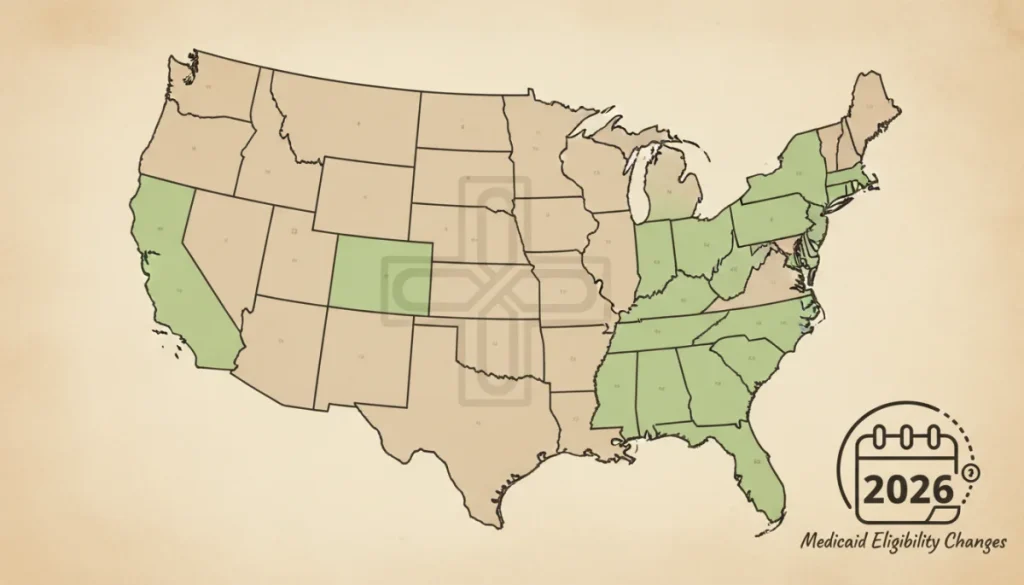
The impending Medicaid Expansion 2026 will redefine healthcare access for millions, with specific states poised to broaden coverage and adjust eligibility criteria, significantly impacting low-income populations across the United States.
As we approach 2026, the landscape of healthcare in the United States continues to evolve, particularly concerning critical programs like Medicaid. For many, understanding the nuances of Medicaid Expansion in 2026: A Look at the States Expanding Coverage and Eligibility Changes is not just academic; it’s about accessing essential health services. This article aims to demystify these forthcoming changes, offering a clear guide to what beneficiaries and potential enrollees can expect.
Understanding the Foundation of Medicaid Expansion
Medicaid, a joint federal and state program, provides health coverage to millions of low-income Americans, including children, pregnant women, elderly adults, and people with disabilities. The Affordable Care Act (ACA) of 2010 introduced a significant opportunity for states to expand their Medicaid programs, extending eligibility to nearly all non-elderly adults with incomes up to 138% of the federal poverty level (FPL).
While the ACA initially mandated this expansion, a 2012 Supreme Court ruling made it optional for states. This decision created a patchwork system where some states expanded coverage and others did not, leading to significant disparities in healthcare access across the nation. As we look towards 2026, the ongoing discussions and potential shifts in state policies continue to highlight the critical role of Medicaid in the national health ecosystem.
The original intent of the ACA expansion
The primary goal of the ACA’s Medicaid expansion was to reduce the number of uninsured Americans by filling gaps in coverage. Before expansion, many low-income adults fell into a “coverage gap,” earning too much to qualify for traditional Medicaid but too little to afford private insurance, even with ACA marketplace subsidies. Expansion aimed to bridge this divide, ensuring more people had access to preventative care and necessary medical treatments.
- Reduced uninsurance rates significantly in expanding states.
- Improved access to primary and specialty care for low-income adults.
- Decreased emergency room visits for non-emergency conditions.
- Enhanced financial security for families due to lower out-of-pocket medical costs.
The impact of this expansion has been profound in the states that adopted it, leading to healthier populations and stronger local economies. The federal government covers a substantial portion of the costs for the newly eligible, making it a financially attractive option for states despite initial concerns.
Considering the historical context of Medicaid expansion is crucial for understanding the potential changes in 2026. The program’s evolution reflects a continuous effort to balance federal mandates with state autonomy, all while striving to ensure adequate healthcare for vulnerable populations. The political and economic factors influencing states’ decisions are complex, often involving debates over budget implications, healthcare philosophy, and constituent needs.
States Poised for Potential Medicaid Expansion in 2026
As 2026 approaches, several states that have historically resisted Medicaid expansion are once again debating its merits. The ongoing federal incentives, coupled with the proven benefits seen in expanding states, are making a compelling case for reconsideration. While specific legislative actions are still unfolding, various political and economic factors are bringing these discussions to the forefront.
The remaining non-expansion states face unique challenges, such as higher rates of uninsured individuals, greater burdens on uncompensated care, and potential economic disadvantages. The federal government continues to offer enhanced matching funds, covering a significant percentage of the costs for newly eligible enrollees, which makes the financial argument for expansion increasingly persuasive.
Key factors influencing state decisions
Several elements play into a state’s decision-making process regarding Medicaid expansion. These often include the state’s fiscal health, the political leanings of its leadership, and the advocacy efforts of healthcare organizations and community groups. Public opinion also plays a significant role, with growing awareness of the benefits of expanded coverage.
- Economic benefits: Increased federal funding can stimulate local economies and reduce uncompensated care costs.
- Improved health outcomes: Expanding coverage leads to better access to preventive care and chronic disease management.
- Political will: Shifts in state legislative majorities or gubernatorial priorities can open doors for expansion.
- Public pressure: Advocacy from healthcare providers, patient groups, and voters can sway legislative debates.
For instance, states with a large rural population might find expansion particularly appealing, as it can help sustain rural hospitals and clinics that often struggle financially. Similarly, states with significant numbers of working poor who lack employer-sponsored insurance could see substantial gains in workforce health and productivity.
The discussions in these states are often intense, balancing fiscal conservatism with the evident human and economic benefits of broader healthcare access. Monitoring legislative sessions and public statements from state leaders will be key to identifying which states might finally decide to expand their Medicaid programs by 2026.
Eligibility Changes: What to Expect for Beneficiaries
For individuals and families, understanding the specific eligibility changes associated with Medicaid expansion in 2026 is paramount. While the core principle remains extending coverage to those below 138% of the FPL, the implementation details can vary by state, and new federal guidelines or waivers might introduce additional nuances. The most significant change for many will be the inclusion of non-disabled, childless adults, a group often excluded from traditional Medicaid programs.
Expanding states will primarily focus on income-based eligibility, simplifying the application process for many. However, residency requirements and citizenship status will continue to be fundamental criteria. It’s crucial for prospective beneficiaries to stay informed about the specific income thresholds and documentation requirements in their respective states, as these can be subject to localized adjustments.
Income thresholds and household composition
The federal poverty level (FPL) serves as the benchmark for Medicaid eligibility. In expansion states, individuals and families with incomes up to 138% of the FPL typically qualify. This threshold is adjusted annually, so beneficiaries should always refer to the most current FPL guidelines. Household composition also plays a vital role, as the FPL varies significantly based on the number of people in a household.
- Individual: Income up to 138% FPL.
- Family of three: Higher income threshold than an individual.
- Childless adults: Now eligible in expansion states, a major change from traditional Medicaid.
- Pregnant women and children: Often have higher FPL limits for eligibility, even in non-expansion states.
Beyond income, states may also consider other factors, such as specific asset limits, though these are often less stringent for the expansion population. The goal is to provide a safety net for those who historically fell through the cracks of the healthcare system due to their financial situation.
Staying updated on these criteria is essential. State Medicaid agencies and local health departments are excellent resources for detailed information on eligibility. Many states also offer online portals where individuals can check their potential eligibility and begin the application process, making it easier to navigate the system.
The Impact of Expansion on Healthcare Access and Outcomes
The expansion of Medicaid has consistently demonstrated a positive impact on healthcare access and overall health outcomes in states that have adopted it. When more people gain health insurance, they are more likely to seek preventive care, manage chronic conditions, and receive timely treatment for acute illnesses. This shift not only benefits individuals but also strengthens the broader healthcare infrastructure.
For individuals, having Medicaid coverage means avoiding costly medical bills that can lead to financial ruin. It also means access to a wider range of services, including mental health and substance abuse treatment, which are critical needs in many communities. The reduction in uncompensated care costs also benefits hospitals and clinics, allowing them to operate more sustainably.
Benefits for individuals and communities
The advantages of Medicaid expansion extend far beyond individual health coverage, creating a ripple effect throughout communities. Healthier populations contribute to a more productive workforce and can reduce the spread of preventable diseases. The financial stability offered by Medicaid also helps alleviate the burden on local emergency services, which often serve as a primary care source for the uninsured.
- Increased preventive care: More regular check-ups and screenings lead to earlier detection and treatment of diseases.
- Better management of chronic conditions: Individuals with diabetes, heart disease, or asthma receive consistent care.
- Reduced medical debt: Lower out-of-pocket costs prevent bankruptcies and financial strain.
- Improved mental health services: Expanded access to counseling and psychiatric care.
Furthermore, studies have shown that Medicaid expansion can lead to a decrease in mortality rates among eligible populations. This tangible benefit underscores the life-saving potential of broader healthcare access. The economic stability it brings also allows individuals to focus on other aspects of their lives, such as education and employment, contributing to overall societal well-being.
The cumulative effect of improved health and financial security creates a more resilient community. As more states consider expansion in 2026, these documented benefits will undoubtedly play a significant role in their deliberations, highlighting the profound impact of such policy decisions on the lives of their citizens.

Challenges and Considerations for Medicaid Expansion
While the benefits of Medicaid expansion are well-documented, states considering or implementing changes in 2026 also face a set of challenges and considerations. These often involve complex fiscal calculations, administrative hurdles, and political opposition. Understanding these potential obstacles is crucial for a realistic assessment of the expansion landscape.
One primary concern for states is the long-term financial commitment, even with substantial federal matching funds. Critics often point to potential budget strains if federal contributions decrease in the future or if enrollment numbers exceed projections. Additionally, some states may struggle with the administrative capacity to handle a significant increase in Medicaid enrollees, requiring upgrades to IT systems and staffing.
Addressing potential obstacles
States must proactively address these challenges to ensure a smooth and effective expansion. This involves careful planning, robust infrastructure development, and clear communication strategies. Collaboration between state agencies, healthcare providers, and community organizations is also vital for successful implementation.
- Budgetary planning: Long-term financial projections and contingency plans for state contributions.
- Administrative capacity: Investing in technology and personnel to manage increased enrollment and services.
- Provider network adequacy: Ensuring enough healthcare providers are available to serve new enrollees.
- Public awareness campaigns: Educating eligible individuals about new benefits and how to enroll.
Political opposition can also be a significant hurdle, often rooted in ideological differences regarding the role of government in healthcare. Overcoming this requires strong advocacy, clear data demonstrating the benefits, and bipartisan cooperation where possible. The experiences of states that have successfully expanded can offer valuable lessons and best practices.
Furthermore, ensuring an adequate network of healthcare providers is essential. A sudden influx of new patients without a corresponding increase in providers could strain the system, leading to longer wait times and reduced quality of care. States need to incentivize providers to participate in Medicaid and potentially expand their facilities to meet increased demand.
Navigating the Future of Healthcare: Preparing for 2026
As we look ahead to 2026 and the potential further expansion of Medicaid, individuals, healthcare providers, and policymakers all have roles to play in preparing for these changes. For individuals, staying informed about eligibility criteria and application processes is key. For providers, adapting to increased patient volumes and understanding new reimbursement structures will be essential. Policymakers must continue to evaluate the program’s effectiveness and address any unforeseen challenges.
The goal is to ensure that Medicaid continues to serve as a vital safety net, providing comprehensive healthcare to those who need it most. This requires ongoing dialogue, data-driven decision-making, and a commitment to improving public health outcomes across the nation. The journey towards universal healthcare access is complex, but each expansion step brings us closer to that ideal.
Actionable steps for beneficiaries and stakeholders
Preparing for 2026 involves proactive engagement from all parties. Individuals should begin researching their state’s Medicaid guidelines and identify potential changes. Healthcare providers should assess their capacity and explore strategies to integrate new patients seamlessly. Advocacy groups can continue to press for expansion in non-participating states, highlighting the proven benefits.
- For individuals: Monitor state Medicaid websites, attend community information sessions, and gather necessary documents.
- For healthcare providers: Review staffing needs, understand new billing codes, and consider expanding services.
- For policymakers: Conduct thorough cost-benefit analyses, engage in public-private partnerships, and listen to constituent feedback.
- For advocates: Continue educating the public and lobbying legislators on the benefits of expansion.
The ultimate success of Medicaid expansion in 2026 will depend on effective collaboration and a shared commitment to improving public health. By working together, we can ensure that these changes lead to a more equitable and accessible healthcare system for all eligible Americans. The landscape of healthcare is constantly shifting, and proactive preparation is the best way to navigate these changes successfully.
The ongoing dialogue about Medicaid expansion underscores its importance as a pillar of the nation’s healthcare system. As 2026 approaches, the decisions made by states will have lasting consequences for millions, shaping their access to vital medical services and impacting the overall health and economic stability of communities.
| Key Aspect | Brief Description |
|---|---|
| Target Population | Low-income adults, often childless, up to 138% of the Federal Poverty Level (FPL). |
| State Participation | Optional for states, with ongoing debates in non-expansion states influenced by federal incentives. |
| Key Benefits | Improved access to preventive care, chronic disease management, and reduced medical debt. |
| Challenges | Fiscal concerns, administrative capacity, and ensuring adequate provider networks. |
Frequently Asked Questions about Medicaid Expansion in 2026
While no definitive list exists yet for 2026, several non-expansion states frequently debate the issue, including Kansas, Texas, Florida, and Mississippi. Political shifts and ongoing federal incentives could sway these states toward expansion in the coming years, impacting millions of uninsured residents.
The main change is extending eligibility to nearly all non-elderly adults with incomes up to 138% of the Federal Poverty Level (FPL). This includes many childless adults who were previously ineligible for traditional Medicaid, significantly broadening access to health coverage for low-income populations.
Individuals benefit from increased access to preventive care, comprehensive medical services, and reduced out-of-pocket healthcare costs. This leads to better management of chronic conditions, improved overall health outcomes, and greater financial stability by avoiding medical debt and bankruptcy.
States often face challenges such as concerns over long-term fiscal commitments, the need for increased administrative capacity to process new enrollments, and ensuring an adequate network of healthcare providers to meet the increased demand for services. Political opposition can also be a significant hurdle.
The most reliable sources are your state’s official Medicaid agency website, your state’s health department, or Healthcare.gov. These platforms provide up-to-date information on eligibility criteria, application processes, and available benefits specific to your geographic location.
Conclusion
The journey towards a more inclusive healthcare system continues with the ongoing discussions and potential advancements in Medicaid Expansion in 2026: A Look at the States Expanding Coverage and Eligibility Changes. These developments are not merely policy adjustments but represent significant opportunities to improve the health and well-being of millions of Americans. By understanding the historical context, anticipating future shifts, and preparing for the implications, both individuals and states can navigate this evolving landscape more effectively, ensuring that essential healthcare remains accessible to those who need it most.