DOE 2026 Initiatives: Boosting US Renewable Energy by 20%
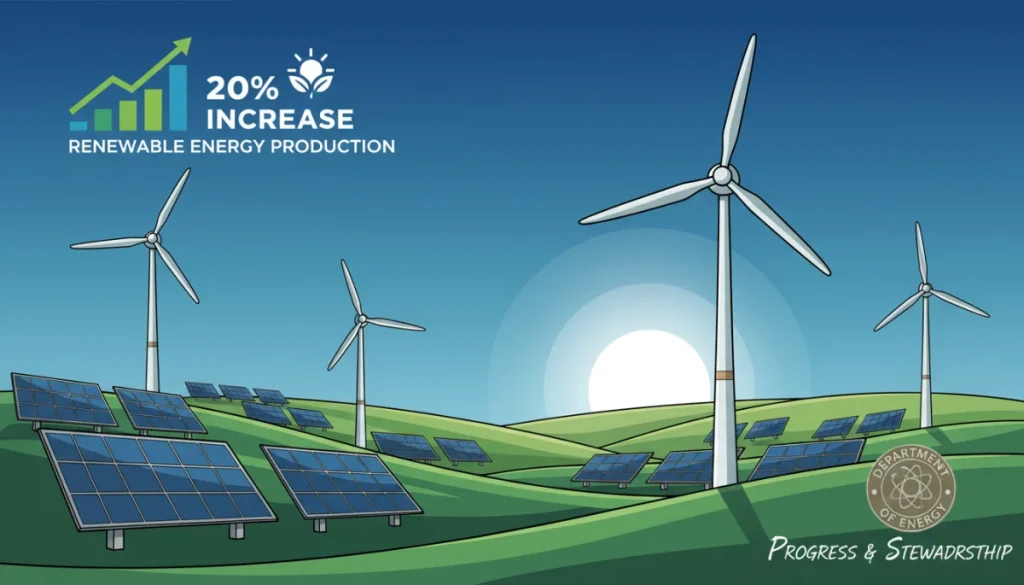
The Department of Energy’s 2026 initiatives are set to boost US renewable energy production by 20%, driving national sustainability and economic growth.
The United States Department of Energy (DOE) recently unveiled its ambitious 2026 initiatives, outlining a strategic plan to significantly increase the nation’s renewable energy production. This bold commitment, aiming for a 20% boost, underscores a pivotal moment in America’s transition toward a cleaner, more sustainable energy future. Understanding the scope and potential impact of these DOE renewable energy initiatives is crucial for citizens, industry stakeholders, and policymakers alike.
Understanding the 2026 Mandate for Renewable Energy Growth
The Department of Energy’s 2026 mandate represents a critical step in addressing climate change and securing energy independence for the United States. This aggressive target of a 20% increase in renewable energy production is not merely an aspiration but a meticulously planned objective supported by a multi-faceted approach. It reflects a growing consensus on the urgency of transitioning away from fossil fuels and embracing cleaner alternatives.
This mandate builds upon years of research, development, and strategic investments in renewable technologies. It acknowledges the progress made in solar, wind, geothermal, and hydropower, while also recognizing the need for accelerated deployment and integration into the national grid. The 20% increase is calculated against current production levels, setting a clear, measurable goal for the coming years.
Key Drivers Behind the 2026 Target
- Climate Imperative: Reducing greenhouse gas emissions to combat global warming.
- Energy Security: Decreasing reliance on volatile global fossil fuel markets.
- Economic Opportunity: Fostering job creation and innovation in the clean energy sector.
- Technological Advancements: Leveraging cost reductions and efficiency gains in renewable technologies.
The mandate also emphasizes the importance of equitable access to clean energy and ensuring that the benefits of this transition are shared across all communities. This includes supporting initiatives in underserved areas and promoting workforce development programs to prepare for the new green economy. The comprehensive nature of the 2026 mandate suggests a holistic vision for America’s energy future, moving beyond simple production targets to encompass broader societal and economic impacts.
Strategic Pillars: Technology, Infrastructure, and Policy
Achieving a 20% increase in renewable energy production by 2026 requires a robust framework built upon three strategic pillars: technological innovation, infrastructure modernization, and supportive policy. Each pillar plays a distinct yet interconnected role in facilitating this ambitious transition, ensuring that advancements are not only possible but also practical and scalable across the nation.
Technological advancements form the bedrock of the DOE’s plan. This includes continued investment in research and development for next-generation solar cells, more efficient wind turbine designs, advanced geothermal systems, and cutting-edge energy storage solutions. The goal is to drive down costs further, improve efficiency, and enhance the reliability of renewable energy sources, making them more competitive and accessible.
Infrastructure Modernization for a Resilient Grid
Modernizing the nation’s energy infrastructure is equally critical. This involves upgrading the aging electrical grid to better accommodate intermittent renewable sources, developing smart grid technologies for improved efficiency, and expanding transmission lines to bring renewable power from remote generation sites to population centers. Without a resilient and adaptable grid, even the most advanced renewable technologies cannot reach their full potential.
- Grid Upgrades: Enhancing capacity and reliability for renewable integration.
- Energy Storage: Deploying large-scale battery and other storage solutions.
- Transmission Expansion: Building new lines to connect renewable sources to demand.
- Smart Grid Technologies: Implementing digital controls for optimized energy flow.
Finally, supportive policy measures are essential to create a favorable environment for renewable energy growth. This includes tax incentives, regulatory reforms, and federal funding programs designed to accelerate deployment, encourage private investment, and remove barriers to market entry for new technologies. The synergy between these three pillars is expected to create a powerful momentum, propelling the US towards its 2026 renewable energy targets and beyond.
The Role of Solar and Wind Power in the Expansion
Solar and wind power are expected to be the primary drivers of the 20% increase in renewable energy production, given their rapid growth, decreasing costs, and proven scalability. Both technologies have seen significant advancements in efficiency and affordability over the past decade, making them increasingly competitive with traditional energy sources. The DOE’s initiatives will focus on accelerating their deployment across diverse landscapes and communities.
For solar energy, the focus will be on expanding utility-scale solar farms, promoting rooftop solar installations for residential and commercial sectors, and investing in community solar projects to ensure equitable access. Innovations in photovoltaic materials and manufacturing processes are continuously improving energy conversion rates and reducing overall system costs, making solar power an increasingly attractive option.

Wind energy, particularly offshore wind, is poised for substantial growth. The vast energy potential of coastal waters offers a significant opportunity to generate clean electricity on a large scale. Onshore wind farms will also continue to expand, with advancements in turbine technology allowing for greater energy capture even in lower wind speed areas. The integration of advanced forecasting and control systems will further enhance the reliability of wind power.
Driving Forces for Solar and Wind Adoption
- Cost Reductions: Solar and wind are now among the cheapest forms of new electricity generation.
- Technological Improvements: Higher efficiency panels and larger, more powerful turbines.
- Policy Support: Federal tax credits and state-level renewable portfolio standards.
- Public Acceptance: Growing awareness and support for clean energy solutions.
The strategic deployment of both solar and wind power will require careful planning to address challenges such as land use, wildlife protection, and grid integration. However, with targeted investments and coordinated efforts, these two renewable giants are expected to lead the charge in achieving the Department of Energy’s ambitious 2026 goals, transforming the energy landscape of the United States.
Advancing Energy Storage and Grid Modernization
The intermittent nature of solar and wind power necessitates robust energy storage solutions and a modernized grid capable of handling variable energy inputs. The Department of Energy’s 2026 initiatives place a significant emphasis on these areas, recognizing them as critical enablers for a high-renewable energy future. Without effective storage and a smart grid, maximizing renewable penetration becomes challenging.
Investment in battery storage technologies, including lithium-ion, solid-state, and flow batteries, is a top priority. These technologies will allow for the capture and release of electricity when needed, balancing supply and demand fluctuations. Beyond batteries, the DOE is exploring other storage methods such as pumped-hydro, compressed air, and even thermal storage, each offering unique advantages for different applications and scales.
Pioneering Grid Innovation
Grid modernization involves transforming the traditional, one-way electricity delivery system into a dynamic, two-way network. This includes implementing advanced sensors, digital controls, and artificial intelligence to optimize energy flow, predict outages, and integrate distributed energy resources like rooftop solar more seamlessly. A smarter grid enhances reliability, efficiency, and resilience against disruptions.
- Battery Technology: Research and deployment of advanced, cost-effective batteries.
- Smart Grid Development: Integrating digital technologies for enhanced control and efficiency.
- Demand-Side Management: Empowering consumers to optimize energy use.
- Microgrids: Developing localized grids for increased resilience and energy independence.
The goal is to create an energy system that is not only cleaner but also more robust and responsive to the needs of a modern society. By prioritizing energy storage and grid modernization, the DOE aims to overcome one of the most significant hurdles to widespread renewable energy adoption, ensuring that the 20% boost in production can be reliably delivered to homes and businesses across the nation.
Economic and Environmental Impact of the Initiatives
The Department of Energy’s 2026 initiatives are projected to yield substantial economic and environmental benefits for the United States. Beyond the immediate goal of increasing renewable energy production, these efforts are expected to stimulate economic growth, create new job opportunities, and significantly reduce the nation’s carbon footprint, contributing to a healthier planet.
Economically, the investment in renewable energy infrastructure and technology will drive demand for manufacturing, construction, and specialized services. This will lead to the creation of thousands of new jobs in various sectors, from engineers and technicians to installers and maintenance personnel. The growth of a domestic clean energy industry can also enhance America’s competitiveness on the global stage, fostering innovation and attracting international investment.
Tangible Benefits for Society and the Environment
- Job Creation: New employment opportunities in manufacturing, installation, and maintenance.
- Reduced Energy Costs: Long-term savings for consumers as renewable energy becomes more prevalent.
- Improved Air Quality: Less reliance on fossil fuels leads to fewer pollutants and better public health.
- Climate Change Mitigation: Significant reduction in greenhouse gas emissions.
- Technological Leadership: Positioning the US at the forefront of clean energy innovation.
Environmentally, the most direct impact will be a substantial reduction in greenhouse gas emissions, helping the US meet its climate targets and mitigate the effects of global warming. Furthermore, a shift away from fossil fuels will lead to improved air and water quality, benefiting public health and preserving natural ecosystems. These initiatives represent a strategic investment not just in energy, but in the long-term well-being and prosperity of the nation.
Challenges and the Path Forward for 2026
While the Department of Energy’s 2026 initiatives present a promising future for renewable energy in the US, achieving a 20% boost in production is not without its challenges. Overcoming these hurdles will require sustained commitment, innovative solutions, and collaborative efforts across government, industry, and communities.
One significant challenge is the sheer scale of infrastructure development required. Building new transmission lines, upgrading the grid, and deploying large-scale energy storage systems demand substantial capital investment and can face regulatory complexities and local opposition. Streamlining permitting processes and ensuring public engagement will be crucial for timely project completion.
Navigating Obstacles to Renewable Expansion
- Permitting and Siting: Expediting approvals for renewable energy projects.
- Supply Chain Resilience: Ensuring a stable and ethical supply of critical materials.
- Workforce Development: Training a skilled labor force for the clean energy economy.
- Intermittency Management: Developing advanced solutions for variable renewable output.
Another key area of focus will be ensuring equitable access and benefits from the renewable energy transition. This includes addressing potential impacts on communities traditionally reliant on fossil fuel industries and providing support for workforce retraining and economic diversification. The path forward involves not only technological and infrastructural advancements but also a commitment to social equity and inclusive growth. Despite these challenges, the DOE’s clear objectives and strategic framework provide a strong foundation for overcoming obstacles and successfully realizing the 2026 renewable energy targets, setting a precedent for future sustainable development.
| Key Initiative | Brief Description |
|---|---|
| 20% Production Boost | Target increase in US renewable energy generation by 2026. |
| Technology Advancement | Investments in solar, wind, and energy storage R&D. |
| Grid Modernization | Upgrading infrastructure for resilient and efficient renewable integration. |
| Policy & Economic Support | Incentives and reforms to accelerate adoption and create jobs. |
Frequently Asked Questions About DOE’s 2026 Renewable Energy Plan
The main objective of the Department of Energy’s 2026 initiatives is to boost US renewable energy production by a significant 20%. This aims to reduce reliance on fossil fuels, enhance energy security, and combat climate change through sustainable practices nationwide.
The initiatives primarily prioritize solar and wind power, given their rapid growth and decreasing costs. However, they also include investments in advanced geothermal, hydropower, and critical energy storage technologies to support broader renewable integration.
Energy storage is crucial for managing the intermittency of solar and wind power. The DOE plans to invest in various battery technologies and other storage solutions to ensure a stable and reliable electricity supply, balancing demand and supply fluctuations effectively.
The initiatives are expected to create thousands of new jobs in manufacturing, installation, and maintenance across the clean energy sector. They will also stimulate economic growth, foster innovation, and potentially lead to long-term energy cost savings for consumers nationwide.
Key challenges include the extensive infrastructure development required, streamlining permitting processes, ensuring supply chain resilience, and developing a skilled workforce. Addressing these will require significant investment and collaborative efforts from all stakeholders involved.
Conclusion
The Department of Energy’s 2026 initiatives to boost renewable energy production by 20% represent a comprehensive and forward-thinking strategy for the United States. By focusing on technological innovation, infrastructure modernization, and supportive policies, the DOE is paving the way for a cleaner, more secure, and economically vibrant energy future. While challenges remain, the commitment to these ambitious goals underscores a national resolve to lead in the global transition towards sustainable energy, promising significant environmental and economic benefits for generations to come.