Estate Planning 2026: New Gifting & Tax Rules for High-Net-Worth

Navigating estate planning in 2026 for high-net-worth individuals requires a deep understanding of new gifting rules and complex tax implications to effectively preserve and transfer wealth.
As we approach 2026, the landscape of estate planning in 2026 is poised for significant shifts, particularly for high-net-worth individuals. Understanding these evolving new gifting rules and their complex tax implications is not just prudent; it’s essential for safeguarding your legacy. This article will delve into the critical changes and offer insights to help you navigate this intricate financial terrain.
Understanding the 2026 Estate Tax Exemption Changes
The year 2026 marks a pivotal moment for estate tax exemptions, primarily due to the sunsetting provisions of the Tax Cuts and Jobs Act of 2017 (TCJA). This legislative shift will significantly impact the amount of wealth that can be transferred free of federal estate and gift taxes, making proactive planning more critical than ever for high-net-worth individuals.
Under the TCJA, the federal estate tax exemption dramatically increased, reaching unprecedented levels. However, without further Congressional action, these elevated exemption amounts are scheduled to revert to their pre-2018 levels, adjusted for inflation. This potential reduction could expose a greater portion of substantial estates to federal estate taxes, necessitating a thorough review of existing estate plans.
The Sunset Clause and Its Impact
The sunset provision means that the increased exemption amounts are temporary. Come January 1, 2026, the basic exclusion amount is projected to be approximately half of its current level. This reduction has profound implications:
- Increased Taxable Estates: Many estates previously untouched by federal estate tax may now fall within its purview.
- Urgency in Gifting Strategies: High-net-worth individuals might consider accelerating their gifting strategies to utilize the higher exemption amounts before they expire.
- Complex Planning: The need for sophisticated financial and legal advice becomes paramount to navigate these changes effectively.
The impending reduction in the estate tax exemption amount compels high-net-worth individuals to re-evaluate their current wealth transfer strategies. Engaging with experienced estate planners and tax advisors is crucial to understanding how these changes will specifically affect their financial situation and to implement appropriate adjustments before the 2026 deadline.
New Gifting Rules and Annual Exclusion Strategies
Beyond the overarching estate tax exemption, 2026 may also bring adjustments to annual gift tax exclusion amounts and other gifting rules. These annual exclusions allow individuals to give away a certain amount of money or property each year to as many recipients as they wish, without incurring gift tax or using up their lifetime exemption. Keeping abreast of these figures is vital for maximizing tax-free transfers.
While the annual gift tax exclusion is typically adjusted for inflation, specific legislative changes could introduce new limitations or opportunities. For high-net-worth families, strategically utilizing these annual exclusions can significantly reduce the size of their taxable estate over time, particularly when combined with more advanced gifting techniques.
Maximizing Annual Exclusion Gifting
Effective use of the annual gift tax exclusion involves more than just writing checks. Consider these strategies:
- Spousal Gifting: Spouses can combine their annual exclusions, effectively doubling the amount that can be gifted to each recipient tax-free.
- “Crummey” Trusts: These trusts are designed to make gifts to a trust eligible for the annual gift tax exclusion by giving beneficiaries a temporary right to withdraw the gifted assets.
- Direct Payment of Expenses: Payments made directly to an educational institution for tuition or to a medical provider for medical care are not considered taxable gifts and do not count against the annual exclusion or lifetime exemption.
The annual gift tax exclusion remains a fundamental tool in estate planning, allowing for consistent, tax-free wealth transfer. High-net-worth individuals should work closely with their advisors to ensure they are fully leveraging these provisions, especially as other estate planning parameters shift in 2026.
Advanced Estate Planning Techniques for Wealth Preservation
Given the anticipated changes in 2026, high-net-worth individuals must explore advanced estate planning techniques to preserve wealth and minimize tax liabilities. These strategies go beyond simple wills and trusts, employing sophisticated instruments designed to address complex financial situations and long-term legacy goals.
One such technique involves various forms of irrevocable trusts. While these trusts typically mean giving up control over the assets, they offer significant benefits, including asset protection from creditors, probate avoidance, and removal of assets from the grantor’s taxable estate. The choice of trust depends heavily on individual circumstances, objectives, and the types of assets involved.
Key Advanced Strategies to Consider
Several advanced strategies can be particularly effective in the evolving 2026 environment:
- Grantor Retained Annuity Trusts (GRATs): These allow the grantor to transfer appreciating assets into a trust, retain an annuity interest for a period, and pass the remaining appreciation to beneficiaries free of gift and estate tax.
- Spousal Lifetime Access Trusts (SLATs): A SLAT allows one spouse to make a gift to an irrevocable trust for the benefit of the other spouse and their descendants, removing assets from the grantor’s taxable estate while still providing potential access to the assets for the beneficiary spouse.
- Charitable Lead Trusts (CLTs) and Charitable Remainder Trusts (CRTs): These trusts combine philanthropic goals with estate tax planning, offering income streams to either charities or beneficiaries for a period, with the remainder going to the other party.
Exploring these advanced techniques with a qualified estate planning attorney is crucial. Each strategy has specific requirements and implications, and a tailored approach is essential to align with your unique financial objectives and tolerance for complexity, especially in light of the 2026 changes.
Impact of State-Level Estate and Inheritance Taxes
While federal estate tax changes often dominate discussions, high-net-worth individuals must also consider the significant impact of state-level estate and inheritance taxes. These taxes can vary widely from state to state, with some states imposing their own estate taxes, inheritance taxes, or both, often with lower exemption thresholds than the federal government.
The interaction between federal and state tax laws can create a complex web of regulations that necessitate careful planning. A strategy that is tax-efficient at the federal level might still incur substantial state-level taxes, especially if assets are located in multiple jurisdictions or if the individual resides in a state with a low estate tax exemption or an inheritance tax.
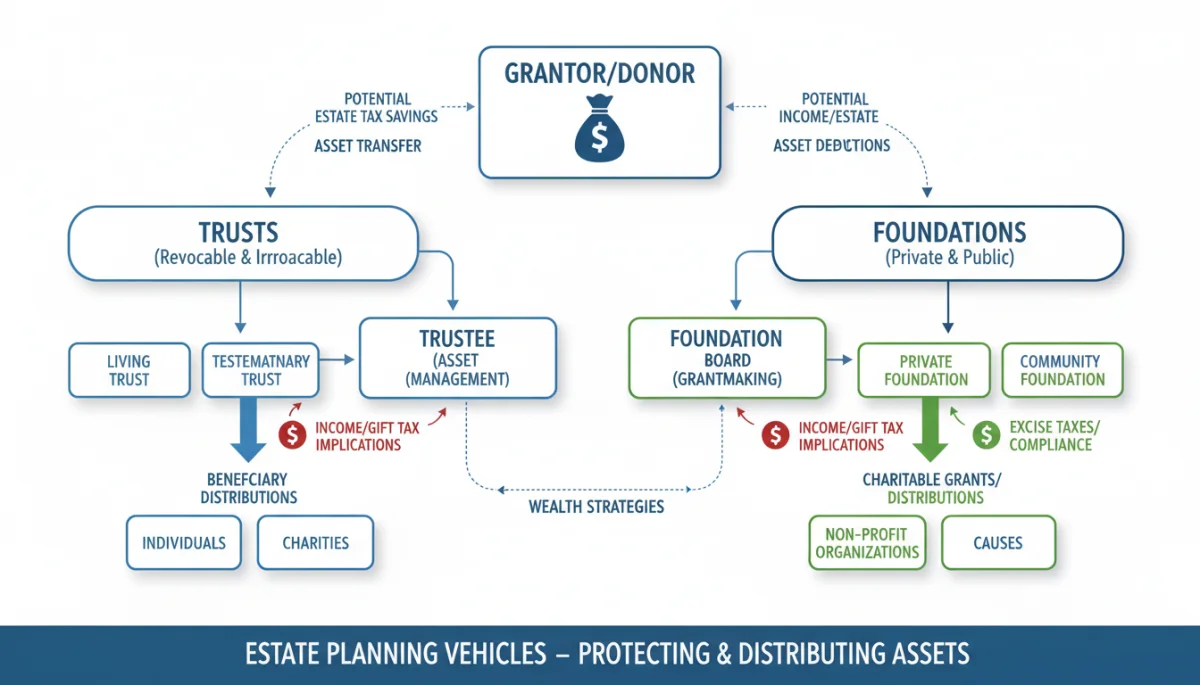
Navigating Multi-State Tax Jurisdictions
For individuals with property or residences in multiple states, the complexity increases:
- Domicile Determination: Establishing legal domicile is critical, as it often determines which state’s estate tax laws apply.
- Property Location: Real estate and tangible personal property are typically subject to the laws of the state where they are located, regardless of the decedent’s domicile.
- State-Specific Exemptions: Be aware of the varying state estate tax exemption amounts, which can range from millions of dollars to none at all.
Understanding and planning for state-level estate and inheritance taxes is an integral part of comprehensive estate planning for high-net-worth individuals. Engaging with advisors who are knowledgeable about multi-state tax implications can help mitigate potential liabilities and ensure a more seamless transfer of wealth across different jurisdictions.
Succession Planning for Closely-Held Businesses
For high-net-worth individuals whose wealth is significantly tied to closely-held businesses, succession planning in 2026 presents unique challenges and opportunities. The transition of business ownership can be fraught with tax complexities, valuation issues, and family dynamics, all of which are amplified by potential changes in estate and gift tax laws.
Effective business succession planning aims to ensure the continuity and financial health of the enterprise while minimizing tax burdens on the transfer of ownership. This often involves a multi-faceted approach that considers both the financial and human capital aspects of the business, aligning them with the owner’s personal estate planning goals.
Strategies for Business Continuity and Tax Efficiency
Several strategies can be employed to facilitate a smooth and tax-efficient business succession:
- Buy-Sell Agreements: These agreements dictate how a departing owner’s interest will be bought out, providing liquidity and setting a valuation method, which can be crucial for estate tax purposes.
- Gifting Business Interests: Strategically gifting portions of the business to heirs over time, utilizing annual exclusions and lifetime exemptions, can reduce the taxable estate while transferring control.
- Family Limited Partnerships (FLPs) and Limited Liability Companies (LLCs): These entities can facilitate the transfer of business interests to younger generations with potential valuation discounts for lack of marketability and control.
Business succession planning is a specialized area of estate planning that requires careful consideration of legal, financial, and family objectives. For high-net-worth individuals with closely-held businesses, integrating business succession into their broader estate planning in 2026 is paramount to preserving wealth and ensuring a lasting legacy.
The Role of Life Insurance in 2026 Estate Planning
Life insurance continues to play a crucial role in estate planning, especially for high-net-worth individuals facing potential estate tax increases in 2026. Beyond its primary function of providing financial security to beneficiaries, life insurance can be a powerful tool for liquidity, wealth equalization, and charitable giving within a comprehensive estate plan.
When structured correctly, life insurance proceeds can be excluded from the insured’s taxable estate, providing a tax-free source of funds to cover estate taxes, pay off debts, or provide for heirs. This is particularly valuable in situations where a significant portion of an estate consists of illiquid assets, such as real estate or business interests, which might otherwise need to be sold to meet tax obligations.
Strategic Uses of Life Insurance
Consider these strategic applications of life insurance in your 2026 estate planning:
- Funding Estate Taxes: A life insurance policy held in an Irrevocable Life Insurance Trust (ILIT) can provide tax-free cash to pay estate taxes, preventing the forced sale of other assets.
- Wealth Equalization: For families with unequal distributions of illiquid assets (e.g., a business passed to one child), life insurance can provide an equivalent inheritance to other children.
- Charitable Giving: Naming a charity as a beneficiary or assigning policy ownership to a charity can provide significant charitable deductions and support philanthropic goals.
The strategic incorporation of life insurance into an estate plan can offer peace of mind and significant financial advantages for high-net-worth individuals. As 2026 approaches, re-evaluating existing policies and considering new ones in light of potential tax changes is a wise move to ensure your estate plan remains robust and effective.
| Key Aspect | Brief Description |
|---|---|
| Estate Tax Exemption | Scheduled reduction in federal estate tax exemption amounts in 2026, impacting taxable estates. |
| Gifting Rules | Changes to annual gift tax exclusion and strategies for maximizing tax-free transfers. |
| Advanced Planning | Utilizing GRATs, SLATs, and charitable trusts for wealth preservation and tax minimization. |
| State Taxes | Understanding diverse state-level estate and inheritance taxes and their impact. |
Frequently Asked Questions About 2026 Estate Planning
The primary change is the scheduled sunset of the increased federal estate tax exemption amounts from the TCJA. This means the exemption is projected to revert to approximately half of its current level, adjusted for inflation, potentially subjecting more estates to federal estate taxes.
New gifting rules, including potential adjustments to annual gift tax exclusion amounts, require high-net-worth individuals to re-evaluate their strategies. Proactive gifting, utilizing current higher exemptions, and employing sophisticated trusts can maximize tax-free transfers before changes take effect.
For 2026, advanced techniques like Grantor Retained Annuity Trusts (GRATs), Spousal Lifetime Access Trusts (SLATs), and various charitable trusts are recommended. These instruments help high-net-worth individuals transfer assets efficiently, minimize tax liabilities, and achieve specific legacy goals amidst evolving regulations.
Absolutely. State-level estate and inheritance taxes can significantly impact an estate, often with lower exemption thresholds than federal taxes. High-net-worth individuals with assets or residences in multiple states must consider these varying regulations to avoid unexpected liabilities.
Life insurance can provide tax-free liquidity to cover estate taxes, equalize inheritances among beneficiaries, and facilitate charitable giving. When placed in an Irrevocable Life Insurance Trust (ILIT), proceeds can be excluded from the taxable estate, offering a robust solution for wealth preservation.
Conclusion
The impending changes in 2026 present both challenges and opportunities for high-net-worth individuals engaged in estate planning in 2026. The scheduled reduction in federal estate tax exemptions, coupled with potential shifts in gifting rules, necessitates a proactive and comprehensive review of existing strategies. By understanding these significant developments, exploring advanced planning techniques, considering state-level tax implications, and strategically utilizing tools like life insurance, individuals can effectively navigate the evolving landscape. Engaging with experienced legal and financial advisors is paramount to crafting a robust estate plan that preserves wealth, minimizes tax burdens, and ensures a lasting legacy for future generations.