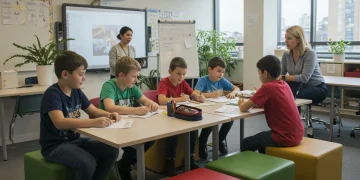
The influence of parental involvement on academic success

The influence of parental involvement on academic success is significant, leading to higher grades, better social skills, and improved emotional well-being for children throughout their educational journey.
The influence of parental involvement on academic success is more significant than many realize. Have you considered how a parent’s engagement can shape a child’s educational journey?
Understanding the role of parents in education
Understanding the role of parents in education is vital for the development of children. When parents are engaged, students often perform better in school. This involvement goes beyond just attending meetings—it includes being active participants in their children’s learning journeys.
The importance of parental roles
Parents provide not only emotional support but also academic assistance. By showing interest in schoolwork, they encourage their children to take education seriously. Active participation fosters a positive attitude towards learning.
Ways parents can support education
- Create a dedicated study space at home.
- Establish routines that include time for homework.
- Discuss school events and projects regularly.
- Encourage reading together as a family.
This support can significantly impact a child’s motivation and self-esteem. Parents should also communicate with teachers to better understand their child’s needs. Collaboration between parents and educators is essential for academic achievement.
Encouraging educational participation
When parents take an active role, they model the importance of education. Children learn by example. A parent’s interest can inspire a lifelong love for learning. Building a strong educational foundation at home is equally crucial.
By engaging in their child’s education, parents will not only help their children succeed academically but also develop crucial life skills. Parental involvement is a key ingredient in the recipe for success.
The impact of active engagement on learning
Active engagement significantly impacts learning outcomes. When students are involved in their education, they learn more effectively. Engaged students are more likely to enjoy their studies and achieve higher grades. Participation in classroom discussions, homework assignments, and school activities fosters a deeper connection to the material.
Benefits of active engagement
There are several key benefits to engaging actively in learning. For instance, students who participate regularly:
- Develop critical thinking skills.
- Enhance their problem-solving abilities.
- Build confidence in their knowledge.
- Improve their communication skills.
When students take an active role, they are more likely to retain information. This retention occurs because students feel more invested in their learning experience. They ask questions, seek clarification, and connect lessons to real-life situations.
Effective strategies for engagement
Schools and parents can support active engagement through various strategies. Parents can encourage participation at home by:
- Discussing what children learned each day.
- Creating engaging learning environments.
- Encouraging them to share ideas and questions.
In addition, teachers can promote engagement by implementing interactive lessons. Utilizing group work and technology helps maintain student interest. When students feel their opinions matter, they are more likely to engage.
Ultimately, active engagement transforms the learning experience. It motivates students to take charge of their education and develop a love for learning. Support from both parents and teachers is crucial in fostering this engagement, leading to improved academic success.
Practical ways parents can get involved

Parents play a crucial role in their children’s education. There are many practical ways they can get involved to support their learning. Being an active part of a child’s education not only helps academically but also strengthens the bond between parent and child.
Simple strategies for involvement
Here are some effective ways for parents to engage:
- Attend school events and meetings.
- Volunteer for school activities or projects.
- Help with homework regularly.
- Encourage open discussions about school.
Each of these strategies helps create a supportive learning environment at home and school. When parents show interest in school activities, children feel valued and motivated to perform better.
Building a learning-friendly home
Creating a suitable environment for studying is essential. This can include establishing a quiet and organized space for homework, free from distractions. Parents can also set a consistent time for studying each day, fostering a routine that helps children focus. Involvement comes in different forms, from helping with homework to simply being there to listen or discuss school challenges.
Additionally, it’s important for parents to model a positive attitude towards learning. When children see their parents valuing education, they are more likely to adopt the same mindset. Reading together, exploring new topics, and discussing current events at home promotes curiosity and critical thinking.
Parents should also communicate with teachers and ask how they can assist. This collaboration creates a supportive network that benefits the child. Checking in with teachers about schoolwork helps parents better understand their child’s strengths and areas that need improvement.
How schools can support parental involvement
Schools play a vital role in encouraging parental involvement. By fostering a welcoming environment, schools can ensure that parents feel valued and engaged in their children’s education. This partnership ultimately benefits students, creating a strong support system for their learning journey.
Creating open communication channels
One effective way schools can support parents is by implementing open communication. Regular updates via emails, newsletters, or phone calls can keep parents informed about school events and their child’s progress. Schools should also encourage parents to share their thoughts and concerns. This two-way communication fosters trust and strengthens the relationship between parents and educators.
Offering workshops and resources
Another way to engage parents is by providing resources and workshops. Schools can organize sessions that educate parents on how to help with homework, study skills, and even social-emotional learning. By equipping parents with knowledge and tools, schools empower them to participate actively in their child’s education.
- Provide resources for effective home study environments.
- Organize parent workshops on educational topics.
- Share strategies for reinforcing learning at home.
In addition to workshops, schools can create resource centers with information on parenting, child development, and educational strategies. Parents will likely feel more capable and involved when they have access to helpful materials.
Encouraging volunteer opportunities
Schools should also encourage parents to volunteer. Doing so creates a sense of community and allows parents to see firsthand how their child learns. Opportunities can include helping in classrooms, organizing events, or participating in school committees. When parents volunteer, they not only support their child’s school but also connect with other families.
Collaboration between schools and families is crucial. By offering support and building strong relationships, schools can enhance parental involvement, leading to improved academic success for students. Both education and support from home work hand in hand, paving the way for a brighter future.
Long-term benefits of parental support
Parental support has many long-term benefits for children that extend beyond their school years. When parents are actively involved in their child’s education, it positively influences their personal and academic development. This ongoing support helps children develop vital skills that last a lifetime.
Enhancing academic performance
One of the most significant benefits of parental support is improved academic achievement. Children whose parents are engaged in their educational journey often earn higher grades and have better test scores. This support creates a strong foundation for lifelong learning, making students more confident in their abilities.
Building social skills
Parental involvement also enhances children’s social skills. When parents encourage involvement in various activities—like sports, music, or clubs—children learn teamwork and communication. These experiences foster friendships and help develop emotional intelligence.
- Encourages teamwork and collaboration.
- Promotes effective communication skills.
- Helps children navigate social situations.
Strong social skills are essential for success in both personal and professional settings later in life. Children with supportive parents are more likely to feel secure and develop healthy relationships.
Instilling values and resilience
Another vital aspect of parental support is the instillation of positive values. When parents are involved, children learn the importance of responsibility, respect, and hard work. This guidance is crucial in helping them navigate challenges. Resilience is developed as children learn how to handle setbacks with their parents’ support.
In addition, children with supportive parents tend to have higher self-esteem and better mental health. This strong foundation prepares them for the challenges of adulthood, making them more capable of facing life’s uncertainties. Overall, the long-term benefits of parental support are undeniable, impacting every facet of a child’s life.
FAQ – Frequently Asked Questions about Parental Involvement and Academic Success
How does parental involvement impact my child’s academic performance?
Parental involvement typically leads to higher grades and better test scores, as it encourages a positive attitude toward learning.
What can I do to become more involved in my child’s education?
You can attend school events, help with homework, and maintain open communication with teachers to stay informed about your child’s progress.
Why is support from parents important for children’s social skills?
Support from parents helps children develop social skills by encouraging them to participate in group activities, fostering teamwork and communication.
What are the long-term benefits of being actively involved in my child’s education?
Long-term benefits include improved self-esteem, better emotional well-being, and the development of important life skills that contribute to future success.