FEMA’s 2025 Disaster Preparedness: Extreme Weather Strategies
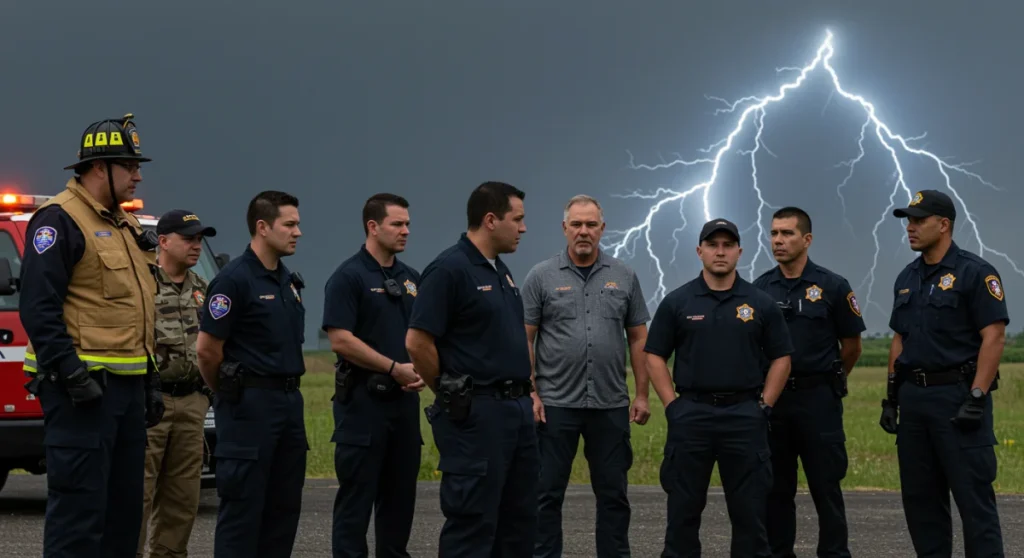
FEMA’s 2025 national strategies for disaster preparedness aim to bolster community resilience against extreme weather events through advanced data analytics, integrated infrastructure, and equitable resource distribution.
As the climate continues to evolve, the United States faces an escalating threat from extreme weather events. Understanding FEMA 2025 disaster preparedness strategies is crucial for communities, individuals, and emergency management professionals alike. This article delves into the Federal Emergency Management Agency’s forward-looking plans to enhance national resilience and response capabilities against the unpredictable forces of nature.
Understanding the Evolving Threat Landscape
The nature of disasters is shifting dramatically. From more intense hurricanes and prolonged droughts to severe wildfires and unprecedented flooding, extreme weather events are becoming both more frequent and more devastating. FEMA’s 2025 strategies are directly informed by these observed trends, emphasizing a proactive stance rather than a reactive one.
This evolving threat landscape necessitates a fundamental rethinking of how we prepare for, respond to, and recover from disasters. It demands a holistic approach that considers not only the immediate physical impacts but also the long-term societal and economic consequences. The goal is to build communities that are not just prepared for the next event, but inherently resilient to its effects.
Increased Frequency and Severity
Scientific data consistently points to a clear trend: extreme weather events are occurring with greater regularity and intensity. This poses significant challenges for traditional disaster management frameworks.
- More powerful hurricanes impacting coastal regions.
- Extended periods of drought leading to water scarcity and wildfires.
- Intensified rainfall causing widespread inland flooding.
- Record-breaking heatwaves affecting public health and infrastructure.
The implications of these changes are profound, touching every aspect of community life, from infrastructure integrity to public health and economic stability. FEMA’s updated strategies aim to address these complex interdependencies.
Economic and Social Impacts
Beyond immediate destruction, extreme weather events inflict substantial economic and social costs. These include damage to property, disruption of supply chains, displacement of populations, and long-term psychological trauma. The 2025 strategies recognize that effective preparedness must mitigate these broader impacts to truly protect communities.
In conclusion, the first step in effective FEMA 2025 disaster preparedness is a clear-eyed assessment of the current and future threat landscape. By acknowledging the increasing frequency and severity of extreme weather, and understanding its multifaceted impacts, FEMA can develop strategies that are both comprehensive and adaptable, setting the stage for robust national resilience.
Strategic Pillars of FEMA’s 2025 Approach
FEMA’s 2025 national strategies are built upon several interdependent pillars designed to create a more resilient nation. These pillars represent a significant evolution in disaster management, moving beyond conventional response models to embrace long-term prevention, adaptation, and community empowerment. The core idea is to integrate preparedness into the very fabric of society.
Each pillar is designed to address specific vulnerabilities and enhance overall capabilities, ensuring that resources are allocated effectively and that all stakeholders, from federal agencies to local citizens, play a vital role. This integrated framework aims to create a cohesive and coordinated national effort against extreme weather challenges.
Enhanced Community Resilience
At the heart of the 2025 plan is a focus on strengthening community resilience. This means empowering local governments, businesses, and individuals to better withstand and recover from disasters. It involves investing in resilient infrastructure, promoting local preparedness initiatives, and fostering strong social networks that can support each other in times of crisis.
- Investing in hazard mitigation projects for critical infrastructure.
- Developing localized early warning systems and communication plans.
- Promoting community-led preparedness and mutual aid agreements.
- Integrating nature-based solutions for flood control and coastal protection.
These efforts extend beyond mere physical defenses, encompassing the social and economic resilience necessary for communities to rebound swiftly and sustainably.
Technological Integration and Data Analytics
Leveraging cutting-edge technology and advanced data analytics is another critical pillar. This includes using AI for predictive modeling, enhancing satellite imagery for damage assessment, and developing sophisticated communication platforms to disseminate information rapidly during emergencies. The goal is to improve situational awareness and decision-making at all levels of response.
The strategic pillars of FEMA 2025 disaster preparedness represent a forward-thinking and comprehensive approach to an increasingly complex challenge. By focusing on community resilience, technological integration, and equitable resource allocation, FEMA aims to build a more secure future for all Americans, mitigating the impacts of extreme weather events.
Leveraging Technology for Advanced Preparedness
In an era of rapid technological advancement, FEMA’s 2025 strategies place a significant emphasis on integrating innovative tools and data-driven approaches into every facet of disaster preparedness and response. This involves moving beyond traditional methods to embrace predictive analytics, real-time monitoring, and advanced communication systems, thereby creating a more intelligent and efficient emergency management ecosystem.
The aim is to transform how information is collected, analyzed, and disseminated, allowing for more proactive interventions and more targeted assistance when disasters strike. This technological leap is expected to save lives, reduce property damage, and accelerate recovery efforts across the nation.
Predictive Modeling and AI
One of the most exciting developments is the use of artificial intelligence (AI) and machine learning for predictive modeling. These technologies can analyze vast amounts of historical and real-time data to forecast the trajectory and intensity of extreme weather events with greater accuracy, providing critical lead time for preparedness activities.
- Forecasting hurricane paths and intensity with enhanced precision.
- Predicting wildfire spread based on weather patterns and fuel sources.
- Identifying flood-prone areas through sophisticated hydrological models.
- Optimizing resource allocation based on anticipated impact zones.
Such predictive capabilities enable emergency managers to pre-position resources, issue timely evacuations, and better protect vulnerable populations.
Real-time Data and Communication Networks
Effective disaster response hinges on immediate access to accurate information. FEMA’s 2025 plan includes developing robust real-time data collection systems and resilient communication networks. This ensures that first responders, government officials, and the public receive critical updates without delay, even when traditional infrastructure is compromised.

Furthermore, the integration of IoT (Internet of Things) devices and enhanced satellite connectivity will provide unprecedented levels of situational awareness, allowing for dynamic adjustments to response strategies as events unfold. This interconnectedness is vital for comprehensive disaster management.
Ultimately, leveraging technology is not just about having advanced tools; it’s about using them intelligently to create a more informed, responsive, and resilient nation. The technological advancements outlined in FEMA 2025 disaster preparedness are set to redefine emergency management.
Building Equitable and Inclusive Preparedness
A critical component of FEMA’s 2025 national strategies is the commitment to building equitable and inclusive preparedness. Disasters disproportionately affect vulnerable populations, exacerbating existing inequalities. Therefore, the new strategies explicitly address these disparities, ensuring that preparedness efforts reach everyone, regardless of socioeconomic status, disability, or geographic location.
This focus on equity means tailoring communication strategies, providing accessible resources, and actively engaging with diverse communities to understand their unique needs and challenges. The goal is to move beyond a one-size-fits-all approach to disaster management.
Addressing Vulnerable Populations
Vulnerable populations, including the elderly, individuals with disabilities, low-income communities, and non-English speakers, often face greater obstacles in preparing for and recovering from disasters. FEMA’s 2025 plan aims to dismantle these barriers through targeted outreach and resource provision.
- Developing accessible emergency information in multiple languages and formats.
- Providing specific guidance and support for individuals with functional needs.
- Establishing partnerships with community-based organizations serving marginalized groups.
- Ensuring equitable distribution of emergency supplies and shelters.
These initiatives are designed to ensure that no one is left behind when disaster strikes, fostering a sense of collective responsibility and mutual support.
Community Engagement and Partnerships
Effective preparedness relies on strong community engagement. The 2025 strategies emphasize fostering robust partnerships between FEMA, state and local governments, non-profit organizations, and community leaders. These collaborations are essential for developing culturally sensitive and locally relevant preparedness plans.
By actively involving communities in the planning process, FEMA can better understand their specific needs and build trust, leading to more effective and sustainable preparedness outcomes. This collaborative approach recognizes that local knowledge and participation are invaluable assets.
In essence, building equitable and inclusive preparedness is not just a moral imperative but a strategic necessity. By ensuring that all members of society are prepared, FEMA 2025 disaster preparedness strengthens the resilience of the entire nation.
Integrating Climate Adaptation into Planning
Recognizing the undeniable link between climate change and extreme weather events, FEMA’s 2025 national strategies deeply integrate climate adaptation into all levels of disaster planning. This means moving beyond simply reacting to current threats and proactively planning for future climatic conditions. The goal is to build long-term resilience that can withstand a changing environment.
This integration involves a paradigm shift, where climate science informs every decision, from infrastructure development to land-use planning and emergency response protocols. It’s about creating a future where communities are not just prepared for today’s weather, but for tomorrow’s climate.
Forward-Looking Infrastructure Development
A key aspect of climate adaptation is investing in forward-looking infrastructure. This includes designing and building structures that can withstand increased wind speeds, heavier rainfall, and rising sea levels. It also means protecting critical facilities like hospitals, power grids, and communication networks from future climate impacts.
- Constructing elevated buildings in flood-prone areas.
- Implementing green infrastructure solutions for stormwater management.
- Hardening power grids against extreme weather disruptions.
- Developing resilient transportation networks to maintain access.
Such investments are crucial for ensuring the long-term functionality and safety of communities in the face of evolving climate risks.
Ecosystem-Based Adaptation
FEMA’s strategies also promote ecosystem-based adaptation, which involves using natural systems to mitigate disaster impacts. This includes restoring wetlands to absorb floodwaters, planting coastal mangroves to protect against storm surges, and managing forests to reduce wildfire risks. These natural solutions often provide multiple benefits, including ecological restoration and community well-being.
Moreover, integrating climate adaptation into planning requires ongoing research and collaboration with scientific institutions to ensure that strategies are based on the latest climate projections and best practices. This scientific foundation is critical for effective long-term resilience.
By embedding climate adaptation into its core planning, FEMA 2025 disaster preparedness aims to create a more sustainable and secure future, acknowledging and actively addressing the challenges posed by a changing climate.
Enhancing Interagency Coordination and Partnerships
Effective disaster management is rarely the sole responsibility of one agency. FEMA’s 2025 national strategies place a strong emphasis on enhancing interagency coordination and fostering robust partnerships across all levels of government, non-profit organizations, and the private sector. This collaborative approach is essential for a seamless and efficient response to complex extreme weather events.
The goal is to eliminate silos, streamline communication, and ensure that all stakeholders are working from a unified plan, maximizing the impact of available resources and expertise. This coordinated effort is vital for tackling the multifaceted challenges posed by modern disasters.
Federal, State, and Local Collaboration
Successful disaster response requires close cooperation between federal, state, and local entities. FEMA’s 2025 plan outlines mechanisms to strengthen these relationships, ensuring clear lines of communication, shared resources, and coordinated decision-making. This includes joint training exercises, integrated planning platforms, and standardized protocols.
- Establishing joint operations centers during major incidents.
- Developing shared intelligence and information platforms.
- Conducting regular interagency drills and simulations.
- Harmonizing emergency management plans across jurisdictions.
These collaborative efforts are designed to ensure that responses are swift, effective, and tailored to the specific needs of affected communities.
Public-Private Partnerships
The private sector plays a crucial role in disaster preparedness and recovery, offering resources, expertise, and logistical capabilities that complement government efforts. FEMA’s strategies encourage the formation of strong public-private partnerships to leverage these assets, from supply chain management to technological innovation.
Furthermore, non-profit organizations and volunteer groups are indispensable for community outreach, direct aid, and long-term recovery support. Integrating these partners into the overall framework ensures a more comprehensive and compassionate response. By fostering a culture of collaboration, FEMA 2025 disaster preparedness builds a stronger, more unified national emergency management system.
Measuring Progress and Adapting Strategies
A crucial element of any effective long-term strategy is the ability to measure progress, evaluate outcomes, and adapt plans as new information becomes available. FEMA’s 2025 national strategies are not static documents but living frameworks designed for continuous improvement. This commitment to ongoing assessment ensures that preparedness efforts remain relevant, effective, and responsive to evolving threats.
This systematic approach to evaluation allows FEMA to identify both successes and areas for improvement, ensuring that resources are allocated efficiently and that strategies are continually refined based on real-world experience and scientific advancements. It fosters an environment of learning and innovation within the emergency management community.
Performance Metrics and Evaluation Frameworks
FEMA will implement robust performance metrics and evaluation frameworks to assess the effectiveness of its 2025 strategies. This includes tracking key indicators such as reduction in disaster-related fatalities, economic losses, and recovery times. Data collected from real-world events and simulated exercises will be analyzed to inform future planning.
- Tracking the adoption rate of community preparedness programs.
- Assessing the speed and efficiency of disaster response operations.
- Measuring the long-term resilience of reconstructed infrastructure.
- Gathering feedback from affected communities on recovery support.
These metrics provide objective data points for evaluating the impact of various initiatives and making necessary adjustments to the strategic direction.
Adaptive Management and Continuous Improvement
The concept of adaptive management is central to FEMA’s approach. This means that strategies are not fixed but are designed to be flexible and responsive to new challenges and lessons learned. Regular reviews, stakeholder consultations, and post-disaster assessments will feed into a continuous improvement cycle, ensuring that FEMA 2025 disaster preparedness remains at the forefront of emergency management.
Moreover, fostering a culture of innovation and encouraging new ideas from across the emergency management community will be key to staying ahead of emerging threats. This iterative process ensures that FEMA’s strategies are dynamic and capable of addressing the complex and unpredictable nature of extreme weather events in the coming years.
| Key Aspect | Brief Description |
|---|---|
| Community Resilience | Empowering local communities to withstand and recover from disasters through local initiatives and resilient infrastructure. |
| Technological Integration | Utilizing AI, predictive modeling, and real-time data for enhanced situational awareness and decision-making. |
| Equitable Preparedness | Ensuring all populations, especially vulnerable groups, have access to resources and support for disaster readiness. |
| Climate Adaptation | Integrating climate science into planning and developing resilient infrastructure for future environmental conditions. |
Frequently Asked Questions About FEMA’s 2025 Strategies
The primary focus of FEMA’s 2025 strategies is to enhance national resilience against extreme weather events. This includes a shift towards proactive measures, leveraging technology for predictive modeling, fostering equitable preparedness across all communities, and integrating climate adaptation into long-term planning to better protect lives and infrastructure from evolving threats.
FEMA’s 2025 strategies integrate climate adaptation by promoting forward-looking infrastructure development and ecosystem-based solutions. This means designing buildings and systems to withstand future climatic conditions, restoring natural defenses like wetlands, and utilizing climate science to inform all planning decisions, ensuring long-term resilience against changing environmental patterns.
Technology is a cornerstone of the 2025 strategies, with emphasis on predictive modeling using AI and machine learning for more accurate forecasts of extreme weather. It also includes developing real-time data collection systems and resilient communication networks to improve situational awareness, accelerate decision-making, and ensure timely dissemination of critical information during emergencies.
FEMA is committed to equitable preparedness by addressing the disproportionate impact of disasters on vulnerable populations. This involves tailoring communication, providing accessible resources, engaging diverse communities, and partnering with local organizations. The aim is to remove barriers and ensure that everyone, regardless of background, has the necessary support to prepare for and recover from emergencies effectively.
Interagency coordination is crucial for a seamless and efficient disaster response. FEMA’s strategies enhance collaboration across federal, state, and local governments, as well as with non-profits and the private sector. This ensures streamlined communication, shared resources, and unified planning, maximizing the collective impact of all stakeholders in managing complex extreme weather events effectively.
Conclusion
FEMA’s 2025 national strategies for disaster preparedness: FEMA’s 2025 National Strategies for Responding to Extreme Weather Events represent a vital evolution in how the United States approaches the growing threat of extreme weather. By focusing on enhanced community resilience, leveraging advanced technology, promoting equitable preparedness, integrating climate adaptation, and fostering robust partnerships, these strategies lay the groundwork for a more secure and resilient future. The proactive and adaptable nature of these plans is crucial as the nation navigates an increasingly unpredictable climate, striving to protect lives, safeguard infrastructure, and ensure the well-being of all communities.