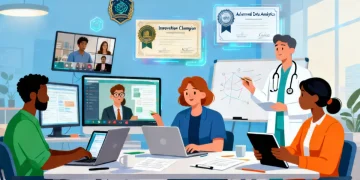
Digital literacy: unlock opportunities in a digital world

Digital literacy is essential for success in today’s technology-driven world, impacting education, career opportunities, and effective communication by enabling individuals to adapt to and thrive in a digital environment.
Digital literacy is becoming increasingly important in our technology-driven world. It’s not just about using devices; it’s about understanding how to navigate the complexities of digital life. Have you ever wondered how skilled you are in this area?
Understanding digital literacy
Understanding digital literacy is essential in our modern world. It goes beyond just being able to use technology; it means knowing how to effectively communicate, manage information, and evaluate online content.
What is Digital Literacy?
At its core, digital literacy encompasses a variety of skills. These include the ability to navigate the internet, create digital content, and understand online security. It’s about being a wise and informed user of technology.
Key Skills of Digital Literacy
- Critical thinking: Analyzing information from multiple sources.
- Online communication: Engaging effectively using various digital platforms.
- Content creation: Producing and sharing your own digital content.
- Technical proficiency: Understanding how to use different software and devices.
As we spend more time online, the importance of digital literacy becomes even clearer. Individuals need to develop a clear understanding of how information is presented online. For instance, recognizing the difference between a credible source and unreliable information is crucial.
Learning about digital literacy helps individuals feel more confident in their digital skills. It prepares them to face challenges such as misinformation and cyber threats. By enhancing these skills, people can make better choices, whether for personal use or in the workplace.
To foster digital literacy, engaging with practical tools can be beneficial. Workshops and online courses offer valuable resources. Additionally, practicing daily can reinforce these skills and lessen the learning curve.
As our world continues to evolve, a strong grasp of digital literacy is vital for success. It opens doors to opportunities that enhance not only personal growth but also professional advancements.
The role of digital literacy in education
The role of digital literacy in education is increasingly significant. It plays a crucial role in helping students develop the skills necessary for success in today’s digital world.
Enhancing Learning Experiences
When students are digitally literate, they can access a wealth of information online. This ability not only enriches their learning but also encourages critical thinking. Engaging with digital content helps students analyze and evaluate the quality of information they receive.
Key Benefits of Digital Literacy in Education
- Improved research skills: Students learn to find reliable sources of information.
- Collaboration opportunities: Digital tools allow students to work together easily, sharing ideas and resources.
- Creativity and innovation: Students can use various media to express their thoughts and ideas.
- Preparation for future careers: Understanding technology is essential for the jobs of the future.
Educators also benefit from incorporating digital literacy into their teaching methods. It equips teachers to create engaging lesson plans that utilize technology. This integration of technology helps make learning more dynamic and interactive.
Furthermore, digital literacy fosters a culture of lifelong learning. As technology evolves, so too must the skills taught in classrooms. By emphasizing these skills, educators prepare students not just for school, but for their entire lives.
It’s important for schools to provide resources and training for both students and teachers in digital literacy. By doing so, they create an environment where everyone feels comfortable using technology.
Ultimately, the impact of digital literacy in education can’t be overstated. It shapes how students learn and interact with the world around them, laying the foundation for a successful future.
How digital literacy affects career opportunities

How digital literacy affects career opportunities is a crucial topic in today’s job market. With technology changing rapidly, being digitally literate can open many doors for job seekers.
Importance of Digital Skills
Employers often look for candidates who possess strong digital literacy skills. These skills demonstrate the ability to adapt and thrive in a technology-driven work environment. Candidates who are comfortable with technology can contribute to a company’s success.
Enhanced Employability
- Increased job options: Many roles require basic to advanced digital skills.
- Higher earning potential: Professionals with strong digital skills often earn more.
- Career advancement opportunities: Digital literacy is key for promotions.
- Network building: Using digital tools helps connect with others in the industry.
Being digitally literate means more than knowing how to use software. It involves understanding how to communicate effectively online, manage digital information, and protect oneself from online threats. These abilities are crucial as businesses increasingly shift online.
Furthermore, adapting to new technologies can lead to innovative solutions in the workplace. Employees who are digitally literate can identify and implement new tools that improve efficiency. This not only benefits their career but also enhances the organization as a whole.
As digital tools continue to evolve, the workforce must also adapt. Continuous learning and embracing new technologies remain vital for maintaining a competitive edge. Being proactive in developing digital skills positions workers for success and adaptability.
In conclusion, digital literacy is not just an asset; it is a necessity for anyone looking to advance their career. By investing in these skills, individuals can unlock numerous opportunities in their professional journeys.
Tools and resources for improving digital skills
Tools and resources for improving digital skills are essential in today’s technology-driven world. Whether you are a student, a professional, or someone looking to enhance your knowledge, there are numerous options available.
Online Learning Platforms
Websites such as Coursera, Udemy, and LinkedIn Learning offer a wide range of courses. These platforms cover various topics, from basic computer skills to advanced software programs. Learning at your own pace is a major advantage of these online courses.
Interactive Tools
Many interactive tools can help develop digital skills. For example, coding platforms like Codecademy and freeCodeCamp allow users to learn programming languages through hands-on exercises. These platforms create an engaging environment to practice and apply new skills.
Community Resources
Local libraries and community centers often provide free workshops and classes. These resources can help individuals who prefer face-to-face learning. Participating in these events also offers networking opportunities.
- Library workshops: Many libraries offer classes on basic computer skills.
- Networking events: Community groups may hold events to connect people interested in tech.
- Online forums: Joining forums or discussion groups can provide additional tips and support.
- Peer learning: Find a study buddy to improve skills together.
Staying updated with the latest technology trends is vital. Websites like TechCrunch and Wired provide articles and insights about new tools and innovations. Following tech blogs can inspire ideas on how to use new tools effectively in both personal and professional settings.
To improve digital skills, it is crucial to practice regularly. Set aside time each week to explore new tools or techniques. Consistency is key to becoming proficient in digital technology.
Investing in your digital skills pays off in the long run, opening doors to new opportunities and enhancing your career prospects. With so many resources available, everyone has the ability to become more digitally proficient.
The future of digital literacy in society
The future of digital literacy in society is crucial as technology continues to evolve. As the world becomes more interconnected, the need for digital skills will only grow.
Importance of Adaptability
With rapid changes in technology, individuals must adapt their skills to keep up. This means learning new tools and platforms as they emerge. The ability to adapt is essential for both personal and professional growth.
Access to Technology
Access to technology is a major factor in digital literacy. As more people gain access to the internet and digital devices, the knowledge gap will begin to shrink. However, disparities in access still exist, particularly in rural and low-income areas. Addressing these issues is vital for a more equitable future.
- Community programs: Local initiatives can help provide resources and training.
- School partnerships: Collaborations between educational institutions and tech companies can enhance learning.
- Government policies: Support for technology in underserved areas can promote digital literacy.
- Affordable access: Making technology affordable is crucial for wider adoption.
The integration of digital literacy into education is essential. Schools are starting to include technology training in their curriculums. This prepares students for the challenges they will face in the future. By focusing on digital skills early on, we create a generation that is ready to thrive in a digital environment.
We can also expect to see new technologies that enhance learning. Virtual reality and artificial intelligence tools can provide immersive learning experiences, making it easier to grasp complex concepts. These innovations will play a significant role in shaping how we learn and communicate.
Looking ahead, the relationship between digital literacy and job opportunities will grow stronger. As industries increasingly rely on technology, employees with strong digital skills will be more sought after. Staying ahead of the curve in digital education will help individuals secure their places in a competitive job market.
digital literacy is vital for success in our increasingly digital world. It shapes how we learn, communicate, and work, impacting our daily lives significantly. As technology evolves, staying digitally literate becomes essential for personal growth and career opportunities. By investing in digital skills, individuals can navigate the challenges of the future more effectively, ensuring they remain competitive. Together, we can build a society that values and promotes digital literacy for everyone.
FAQ – Frequently Asked Questions about Digital Literacy
Why is digital literacy important in today’s world?
Digital literacy is essential as it enables individuals to effectively use technology, improving their ability to learn, communicate, and work in a digital environment.
What tools can help improve my digital skills?
There are many online platforms like Coursera, Udemy, and interactive tools like Codecademy that offer courses to enhance your digital skills.
How does digital literacy impact career opportunities?
Being digitally literate increases employability and career advancement opportunities, as many employers seek candidates with strong digital skills.
What resources are available for learning digital literacy?
Community programs, library workshops, and online resources are excellent for learning and improving digital literacy skills.