2026 Federal Poverty Guidelines: Benefit Eligibility Impact
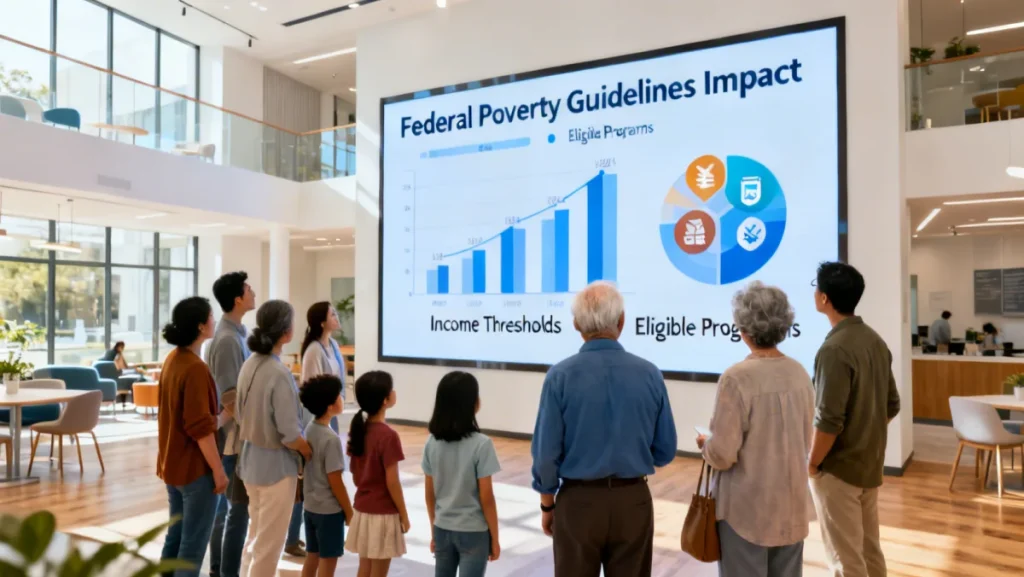
The 2026 Federal Poverty Guidelines are crucial benchmarks determining eligibility for a wide array of federal and state assistance programs, directly impacting millions of Americans’ access to essential benefits.
Are you wondering how the upcoming 2026 Federal Poverty Guidelines will affect your eligibility for vital assistance programs? Each year, these guidelines are updated, reshaping access to healthcare, housing, food assistance, and more for millions of Americans. Understanding these changes is not just about numbers; it’s about securing essential support for yourself and your family.
The foundation of federal poverty guidelines
The Federal Poverty Guidelines (FPG) serve as a critical yardstick, defining the income thresholds below which individuals and families are considered to be living in poverty. Issued annually by the Department of Health and Human Services (HHS), these guidelines are far more than just statistical figures; they are the bedrock upon which eligibility for a vast array of federal assistance programs is determined. From Medicaid and the Children’s Health Insurance Program (CHIP) to food stamps (SNAP) and housing assistance, the FPG dictates who qualifies for support across the United States. Their importance cannot be overstated, as they directly influence the economic well-being and stability of countless households.
The methodology behind calculating the FPG involves a complex assessment of various economic factors. While the precise details for 2026 are still being finalized, the core calculation typically begins with a base poverty threshold, which is then adjusted for family size and inflation. Historically, the FPG has been rooted in the cost of a minimum food diet, multiplied by three. However, critics often point out that this original methodology, developed in the 1960s, may not fully reflect the complexities and rising costs of living in modern America, where housing, childcare, and healthcare expenses often far outweigh food costs.
Historical context and evolution
Understanding the historical evolution of the FPG provides crucial context for appreciating its current role. The concept of a federal poverty measure emerged in the 1960s as part of President Lyndon B. Johnson’s War on Poverty initiative. Since then, the guidelines have undergone various adjustments and refinements, though the fundamental approach has largely remained consistent. Each annual update aims to reflect changes in the cost of living, primarily through inflation adjustments, ensuring that the thresholds remain somewhat relevant to contemporary economic realities.
- 1960s Origins: Based on the cost of a minimal food diet.
- Annual Adjustments: Primarily driven by the Consumer Price Index (CPI).
- Programmatic Impact: Directly influences over 80 federal programs.
- Ongoing Debate: Discussions continue regarding the adequacy of the current methodology.
The significance of these guidelines extends beyond direct program eligibility. They are also used by states, local governments, and non-profit organizations to inform their own eligibility criteria for various services. This cascading effect means that a slight adjustment in the FPG can have widespread implications, either expanding or contracting the pool of eligible recipients for a multitude of support systems. Therefore, monitoring the annual updates is essential for anyone involved in social services, public policy, or those who rely on these programs.
Anticipating the 2026 federal poverty guidelines
As we look ahead to 2026, the anticipation surrounding the release of the new Federal Poverty Guidelines is palpable, particularly for those whose livelihoods depend on federal assistance programs. While the official numbers are typically released early each calendar year, usually in January, the factors that will shape these guidelines are already at play. Economic indicators such as inflation rates, employment figures, and overall economic growth projections for 2025 will be critical in determining the final thresholds for the upcoming year. A significant rise in inflation, for instance, would likely necessitate a higher adjustment to the FPG to maintain the purchasing power of those living at or near the poverty line.
Forecasting the exact figures for 2026 is challenging, given the dynamic nature of the economy. However, based on historical trends and current economic conditions, it is reasonable to expect an upward adjustment to the guidelines. This adjustment aims to account for the increasing cost of living, ensuring that the poverty thresholds reflect contemporary economic realities. Experts and advocacy groups often analyze various economic models to predict these changes, providing early estimates that can help individuals and organizations prepare for potential shifts in eligibility criteria. These predictions, while unofficial, offer valuable insights into what beneficiaries might expect.
Key economic indicators influencing FPG
Several key economic indicators are closely monitored by the Department of Health and Human Services when formulating the annual FPG. Understanding these factors can help in grasping the rationale behind the adjustments. The Consumer Price Index for All Urban Consumers (CPI-U) is perhaps the most significant, as it measures the average change over time in the prices paid by urban consumers for a market basket of consumer goods and services. A higher CPI-U generally translates to a higher FPG.
- Inflation Rates: Directly impacts the cost of living and thus the poverty thresholds.
- Economic Growth: Influences overall wage levels and household incomes.
- Unemployment Rates: Can signal broader economic distress, affecting the need for benefits.
- Cost of Essential Goods: Prices of food, housing, and energy are key considerations.
Beyond these macroeconomic factors, policy decisions and legislative changes can also indirectly influence the FPG. While the guidelines themselves are not directly set by Congress, budget allocations for various programs and shifts in social welfare policies can create pressure for certain adjustments or highlight the need for more comprehensive reforms to the poverty measurement system. Stakeholders, including policy analysts and consumer advocates, will be closely watching these developments to gauge the likely direction of the 2026 guidelines and their subsequent impact on benefit access.
Impact on federal benefit eligibility
The release of the 2026 Federal Poverty Guidelines will have a direct and profound impact on eligibility for a vast array of federal benefit programs across the United States. These guidelines serve as the primary screening tool for determining who qualifies for assistance in critical areas such as healthcare, nutrition, housing, and education. When the FPG is adjusted, even by a small margin, it can shift the eligibility landscape for millions of individuals and families, either expanding or contracting their access to essential support systems. Understanding these implications is crucial for both current beneficiaries and those who may become eligible.
For many programs, eligibility is expressed as a percentage of the FPG. For example, Medicaid often covers individuals and families earning up to 138% of the FPG, while CHIP typically extends coverage up to 200% or even 300% in some states. Food assistance programs like SNAP also utilize FPG percentages, often with gross and net income tests. Therefore, if the FPG increases, more people may find themselves within these percentage brackets, potentially gaining access to benefits they previously did not qualify for. Conversely, if the FPG rises less than expected or if an individual’s income increases, they might lose eligibility or see a reduction in benefits.
Key programs affected by FPG changes
A wide spectrum of federal programs is directly tied to the FPG. The ripple effect of any changes in the guidelines is therefore extensive, touching various aspects of daily life for low-income populations. These programs are designed to provide a safety net and opportunities for upward mobility, making their accessibility paramount.
- Medicaid & CHIP: Healthcare coverage for low-income adults and children.
- SNAP (Food Stamps): Nutrition assistance for eligible households.
- Housing Assistance: Programs like Section 8 and Public Housing.
- Head Start: Educational, health, nutrition, and social services for low-income children and families.
- LIHEAP: Low Income Home Energy Assistance Program, helping with heating and cooling costs.

The impact extends beyond initial eligibility. The FPG can also influence the level of benefits received and the cost-sharing requirements for certain programs. For instance, some healthcare subsidies on the Affordable Care Act (ACA) marketplace are tiered based on income relative to the FPG, meaning a change could alter premium tax credits or out-of-pocket maximums. It is imperative for beneficiaries to stay informed about the new guidelines and how they specifically affect the programs they rely on, as proactive understanding can prevent disruptions in critical support.
State-level implications and variations
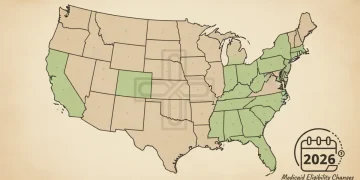
While the Federal Poverty Guidelines provide a national baseline, their implementation and impact often vary significantly at the state level. Each state has the autonomy to interpret and apply the FPG to its own benefit programs, leading to a complex mosaic of eligibility criteria across the United States. This means that a family with the same income and size might qualify for certain benefits in one state but not in another, creating disparities in access to essential services. Understanding these state-specific variations is crucial for residents to accurately assess their eligibility.
Many states use the FPG as a reference point but set their own income limits at a higher percentage for certain programs. For example, while federal law might mandate Medicaid coverage up to 138% of the FPG, a state could choose to extend coverage to individuals earning up to 200% of the FPG for specific populations or services. This flexibility allows states to tailor programs to their unique economic conditions and the needs of their populations. However, it also means that navigating the benefit landscape can be particularly challenging for individuals who move between states or for those trying to understand national trends.
Navigating state-specific eligibility thresholds
To effectively navigate the state-specific eligibility thresholds, individuals must consult their state’s official government websites or contact local social service agencies. These resources provide the most accurate and up-to-date information on how the 2026 Federal Poverty Guidelines will be translated into concrete income limits for programs within that state. Advocacy groups and community organizations also play a vital role in disseminating this information and assisting residents with understanding their options.
- State Medicaid Expansion: Some states have expanded Medicaid beyond federal mandates.
- Supplemental Programs: Many states offer their own additional assistance programs.
- Local Agencies: Often provide direct assistance and localized eligibility information.
- Online Portals: State benefit portals are key for checking specific criteria.
The variations also stem from different state budgetary priorities and political climates. States with stronger fiscal positions or a greater commitment to social welfare may offer more generous benefit programs and set higher income thresholds. Conversely, states facing budgetary constraints might adhere more strictly to the federal minimums. These differences underscore the importance of localized information and highlight the challenges in achieving uniform access to benefits across the nation, even with a single set of federal guidelines.
The broader economic context of 2026
Understanding the 2026 Federal Poverty Guidelines and their impact requires situating them within the broader economic context of the year. The economic landscape of 2026 will undoubtedly influence not only the specific numbers of the FPG but also the overall need for and accessibility of benefit programs. Factors such as inflation, employment rates, wage growth, and the stability of various industries will collectively shape the financial realities for millions of Americans, directly affecting how many people fall below or near the poverty thresholds and thus require assistance.
Projections for 2026 suggest a continued focus on economic stability, though challenges may persist. Inflation, while potentially moderating from previous highs, could still exert pressure on household budgets, particularly for essential goods and services. Wage growth, if it lags behind inflation, could lead to a decline in real incomes for many, pushing more families closer to or below the poverty line. Conversely, robust economic growth and strong job markets could provide opportunities for upward mobility, potentially reducing the reliance on certain benefit programs.
Challenges and opportunities for low-income households
Low-income households in 2026 will face a unique set of challenges and opportunities. The rising costs of living, particularly in housing and healthcare, continue to be significant hurdles. Even with adjustments to the FPG, many families find that the existing guidelines do not adequately cover the true cost of living in their specific regions. However, there may also be opportunities through targeted federal and state initiatives aimed at workforce development, educational attainment, and affordable housing solutions.
- Persistent Inflation: Continues to erode purchasing power for low-income families.
- Job Market Changes: Automation and new industries demand adaptable skills.
- Housing Affordability: A critical ongoing crisis in many urban and rural areas.
- Policy Interventions: Potential for new programs addressing specific economic disparities.
Furthermore, technological advancements and shifts in the global economy will continue to reshape the job market, presenting both challenges and pathways to economic improvement. Access to education and training programs that align with emerging industries will be crucial for individuals seeking to improve their financial standing. The broader economic context of 2026 will thus be a dynamic environment, influencing not only the direct impact of the FPG but also the overall strategies needed to combat poverty and promote economic well-being across the nation.
Strategies for navigating benefit eligibility
Navigating the complex landscape of benefit eligibility, especially with the anticipation of the 2026 Federal Poverty Guidelines, requires a proactive and informed approach. For individuals and families seeking assistance, understanding the nuances of the FPG and how it applies to various programs is the first critical step. It is not enough to simply know the poverty thresholds; one must also understand how income, household composition, and state-specific rules interact to determine actual eligibility for specific benefits.
One of the most effective strategies is to regularly check official government resources. The Department of Health and Human Services (HHS) website is the authoritative source for the official FPG. State and local government websites for social services, health departments, and housing authorities will provide detailed information on how these federal guidelines are translated into eligibility criteria for programs administered at their levels. These resources often include eligibility calculators or frequently asked questions sections that can help individuals assess their potential qualification.
Essential steps for potential beneficiaries
To maximize your chances of securing eligible benefits and to ensure you are always informed, several essential steps should be taken. These steps go beyond merely checking the guidelines and involve active engagement with the benefit application process and ongoing monitoring of your status.
- Stay Informed: Regularly check official HHS and state government websites for updates on the 2026 FPG.
- Gather Documentation: Prepare necessary documents such as income statements, household member details, and residency proofs in advance.
- Seek Assistance: Contact local social service agencies, non-profit organizations, or community centers for guidance and application support.
- Understand Program Specifics: Each benefit program has unique rules; familiarize yourself with the specific criteria for those you are interested in.
Beyond initial application, it is also important to understand the re-determination process for benefits. Many programs require periodic re-evaluation of eligibility, and any changes in income, household size, or other relevant factors must be reported. Being transparent and timely in these updates can prevent interruptions in benefits. Furthermore, if you are denied benefits, understand your rights to appeal and seek assistance from legal aid services or advocacy groups that specialize in social welfare programs. Proactive engagement and continuous information gathering are key to successfully navigating benefit eligibility in 2026 and beyond.
Advocacy and future of poverty measurement
The annual release of the Federal Poverty Guidelines consistently sparks debate and advocacy efforts concerning their adequacy and the future of poverty measurement itself. While the FPG serves as a crucial administrative tool, many critics argue that the current methodology, largely unchanged since the 1960s, fails to accurately reflect the true cost of living in contemporary America. Advocacy groups, researchers, and policymakers frequently call for reforms that would lead to a more comprehensive and regionally sensitive measure of poverty, one that better captures the diverse economic realities across the nation.
One of the primary arguments for reform centers on the fact that the FPG does not account for geographical differences in the cost of living. Housing, transportation, and childcare expenses vary wildly from one state or city to another, meaning that an income considered above poverty in a low-cost rural area might be woefully insufficient in a high-cost urban center. This disparity leads to situations where families earning just above the FPG in expensive regions are still struggling immensely, yet are ineligible for critical assistance. These discussions highlight the need for a more nuanced approach to poverty measurement that goes beyond a single national threshold.
Proposals for reform and alternative measures
Several proposals for reforming the FPG have been put forth over the years, each aiming to address its perceived shortcomings. These alternatives often seek to incorporate a broader range of expenses and to account for regional variations, offering a more realistic picture of economic hardship. Understanding these proposals is vital for anyone interested in the future of social welfare policy.
- Supplemental Poverty Measure (SPM): Accounts for taxes, work expenses, and geographic differences.
- Cost-of-Living Indexes: Regional adjustments to reflect local economic realities.
- Basic Needs Budgets: Calculates the income required to meet essential needs in specific areas.
- Asset-Based Measures: Considers wealth accumulation alongside income for a holistic view.
The ongoing dialogue about the future of poverty measurement is critical for ensuring that social safety nets are effective and equitable. Advocacy groups continue to push for legislative changes that would mandate a more robust and responsive poverty measure, one that can adapt to evolving economic conditions and better serve those in need. As we move towards 2026 and beyond, these discussions will undoubtedly intensify, shaping the policies that define economic well-being and access to benefits for generations to come. The goal is to move towards a system that truly reflects the challenges faced by low-income Americans and provides adequate support where it is most needed.
| Key Aspect | Brief Description |
|---|---|
| FPG Definition | Annual income thresholds defining poverty for federal benefit eligibility. |
| Eligibility Impact | Directly determines access to programs like Medicaid, SNAP, and housing aid. |
| State Variations | States adjust FPG for local programs, creating diverse eligibility criteria. |
| Economic Factors | Inflation, wage growth, and cost of living influence annual FPG updates. |
Frequently asked questions about 2026 Federal Poverty Guidelines
The Federal Poverty Guidelines are income thresholds issued annually by the Department of Health and Human Services (HHS). They define the minimum income level considered adequate for individuals and families, serving as a key determinant for eligibility in numerous federal and state assistance programs.
The official 2026 Federal Poverty Guidelines are typically released by the Department of Health and Human Services (HHS) early in the calendar year, usually in January. It’s advisable to check the official HHS website for the most accurate and up-to-date information once available.
Many federal and state benefit programs set their eligibility criteria as a percentage of the FPG. For example, Medicaid might cover up to 138% of the FPG. A change in the FPG can therefore expand or contract who qualifies for these essential programs, directly impacting millions of Americans.
While the Federal Poverty Guidelines are national, states often use them as a baseline but set their own specific income limits for state-administered programs, sometimes at higher percentages. This means eligibility can vary significantly from one state to another, tailored to local needs and economic conditions.
Key programs significantly affected include Medicaid, the Children’s Health Insurance Program (CHIP), Supplemental Nutrition Assistance Program (SNAP), various housing assistance programs (e.g., Section 8), and the Low Income Home Energy Assistance Program (LIHEAP).
Conclusion
The 2026 Federal Poverty Guidelines stand as a pivotal benchmark, profoundly influencing the lives of millions of Americans by determining access to essential support systems. From healthcare to housing and nutrition, these annual figures shape the landscape of benefit eligibility, reflecting the ongoing economic realities and the nation’s commitment to supporting its most vulnerable populations. Understanding these guidelines, their underlying economic factors, and their state-level implications is crucial for individuals seeking assistance and for policymakers aiming to create a more equitable and effective social safety net. As we move forward, the continued dialogue and potential reforms surrounding poverty measurement will be vital in ensuring that these guidelines truly reflect the needs of all Americans.