Employee Discount Programs 2025: Maximize Savings & Perks

Employee discount programs in 2025 are pivotal for enhancing job satisfaction and financial well-being, providing employees access to exclusive savings and valuable perks across various categories.
As we step into 2025, the landscape of workplace benefits continues to evolve, with employee discount programs emerging as a powerful tool for both attracting and retaining top talent. These programs offer more than just a perk; they represent a tangible commitment from employers to support their employees’ financial health and overall well-being. From significant savings on everyday essentials to exclusive deals on luxury experiences, understanding the best programs available can unlock substantial value for employees and foster a more engaged workforce.
The evolving landscape of employee benefits in 2025
The concept of employee benefits has undergone a significant transformation, moving beyond traditional health insurance and retirement plans. In 2025, a holistic approach to employee well-being is paramount, encompassing financial, physical, and mental health. Employee discount programs fit perfectly into this new paradigm, offering practical support that directly impacts an employee’s disposable income and quality of life.
Companies are increasingly recognizing that a competitive salary alone is not enough. Employees seek value, flexibility, and benefits that cater to their diverse needs. This shift is driving innovation in how discount programs are structured and delivered, with a strong emphasis on personalization and ease of access.
Beyond traditional perks: what employees truly value
Modern employees prioritize benefits that offer real, measurable savings and convenience. They are looking for programs that integrate seamlessly into their daily lives, providing discounts on items and services they regularly use. This includes everything from groceries and utilities to travel and entertainment.
- Financial Wellness: Discounts that reduce everyday expenses directly contribute to an employee’s financial stability, a growing concern in today’s economy.
- Work-Life Balance: Perks that support leisure activities, such as travel or entertainment discounts, help employees achieve a better balance between work and personal life.
- Personal Development: Some programs now include discounts on educational courses or professional development tools, fostering continuous learning and growth.
The evolution of employee benefits in 2025 is characterized by a move towards more comprehensive, employee-centric offerings. Discount programs are at the forefront of this movement, providing a versatile and highly valued component of a modern benefits package.
Key trends shaping employee discount programs for 2025
Several key trends are influencing the design and implementation of employee discount programs in 2025. These trends reflect broader societal shifts and technological advancements, aiming to make these programs more effective and appealing to a diverse workforce. Understanding these trends is crucial for both employers looking to offer the best benefits and employees seeking to maximize their perks.
One prominent trend is the increased integration of technology, making it easier for employees to access and utilize discounts. Mobile apps, personalized dashboards, and AI-driven recommendations are becoming standard features, enhancing the user experience significantly.
Personalization and customization at the forefront
Gone are the days of one-size-fits-all discount offerings. In 2025, personalization is key. Programs are leveraging data analytics to offer discounts that are tailored to an individual employee’s preferences, location, and past purchasing behavior. This ensures that the discounts are relevant and genuinely valuable.
- AI-Driven Recommendations: Artificial intelligence is being used to analyze employee data (with privacy safeguards) to suggest relevant discounts, increasing engagement and utilization.
- Flexible Categories: Employees can often choose from various discount categories, allowing them to focus on areas where they need savings most, such as family, home, or personal care.
- Location-Based Offers: Geolocation technology enables programs to provide real-time discounts from local businesses, enhancing convenience and supporting local economies.
Another significant trend is the emphasis on experiential benefits. While traditional discounts on goods remain popular, there’s a growing demand for discounts on experiences such as concerts, sporting events, and unique travel opportunities. These experiences contribute to employee happiness and create lasting memories.
Top categories of savings and perks in 2025
Employee discount programs in 2025 are incredibly diverse, covering a wide array of categories designed to cater to every aspect of an employee’s life. These categories extend far beyond simple retail discounts, offering significant savings on essential services and desirable experiences.
Understanding the breadth of these offerings allows employees to fully leverage their benefits and significantly reduce their household expenses. Employers, in turn, can design programs that truly resonate with their workforce’s needs and aspirations.
Everyday essentials and household savings
Many programs focus on providing discounts on items and services that are part of daily life. These savings, though seemingly small individually, accumulate quickly and can make a substantial difference in an employee’s monthly budget.
- Groceries and Dining: Discounts at major supermarket chains, local eateries, and meal delivery services are highly sought after.
- Utilities and Telecommunications: Special rates on internet, mobile phone plans, and even energy bills can lead to considerable annual savings.
- Home Services: Discounts on home maintenance, cleaning services, and even moving expenses are increasingly common, offering practical support.
Travel, entertainment, and wellness benefits
Beyond daily necessities, programs also offer exciting perks that enhance leisure and personal well-being. These benefits are crucial for promoting work-life balance and overall happiness.
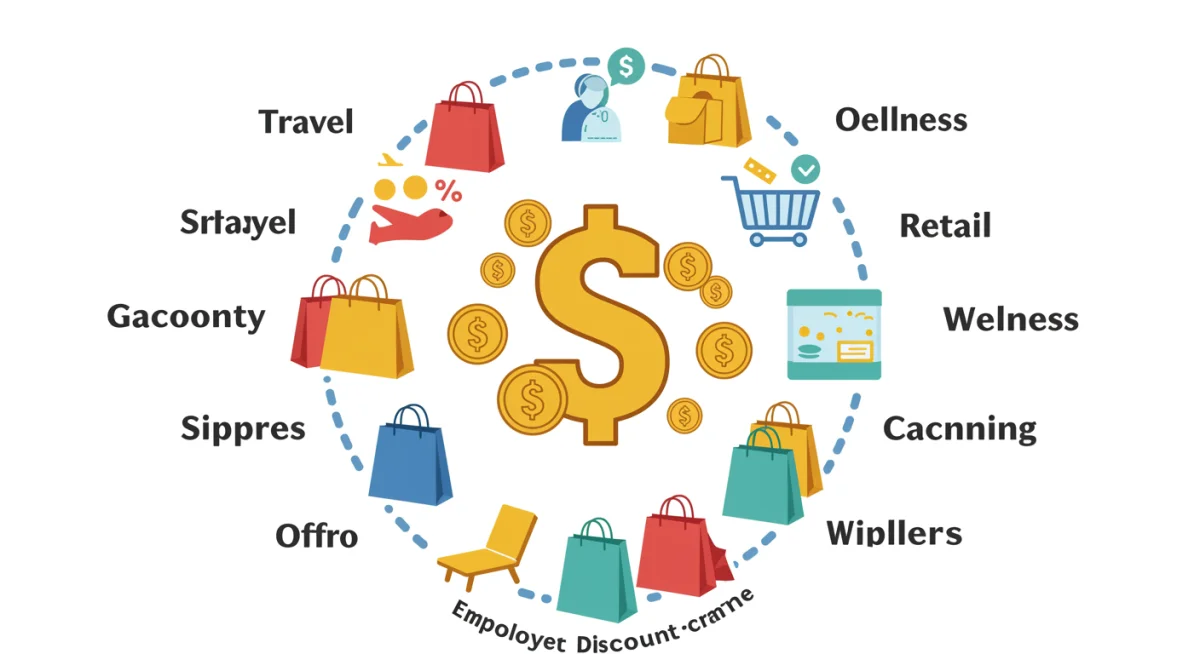
Discounts on travel, whether for vacations or weekend getaways, are especially popular. This includes reduced rates on flights, hotels, car rentals, and even cruise packages. Similarly, access to discounted tickets for concerts, theater shows, theme parks, and sporting events provides excellent opportunities for entertainment.
Wellness perks are also gaining traction, encompassing everything from gym memberships and fitness classes to mental health resources and healthy meal delivery kits. These benefits underscore an employer’s commitment to the holistic health of their team.
How to effectively utilize your employee discount program
Having access to an employee discount program is only the first step; effectively utilizing it requires a bit of strategy and awareness. Many employees leave significant savings on the table simply because they are unaware of the full scope of their benefits or how to access them.
Maximizing the value of your program means staying informed, planning ahead, and making these discounts a regular part of your purchasing habits. It’s about being a savvy consumer within the framework of your employer’s offerings.
Staying informed and exploring all options
The first and most crucial step is to thoroughly understand what your program offers. Most companies provide a dedicated portal or platform where all available discounts are listed. Regularly checking this platform can uncover new opportunities for savings.
- Regularly Check the Portal: New discounts and limited-time offers are frequently added. Make it a habit to browse the platform weekly or monthly.
- Subscribe to Notifications: Many platforms offer email or app notifications for new deals in categories you’re interested in.
- Attend Information Sessions: If your HR department offers workshops or webinars on benefits, attend them to learn tips and tricks for maximizing your discounts.
Consider integrating the discount program into your purchasing decisions. Before making a significant purchase or booking travel, always check if there’s an applicable employee discount. This simple habit can lead to substantial long-term savings. Don’t forget to look for discounts on everyday items too, as these small savings add up over time, contributing significantly to your financial well-being.
Implementing and managing successful programs for employers
For employers, implementing and managing an effective employee discount program goes beyond simply signing up with a vendor. It requires strategic planning, clear communication, and continuous evaluation to ensure the program meets both company objectives and employee needs. A well-managed program can significantly boost employee morale, retention, and even recruitment efforts.
The goal is to create a program that is easy to access, relevant, and perceived as a genuine benefit by the workforce. This involves careful consideration of the platform, the types of discounts offered, and how the program is promoted internally.
Choosing the right platform and vendor
The choice of platform and vendor is critical. Employers should look for providers that offer a wide range of relevant discounts, a user-friendly interface, and robust customer support. The platform should be intuitive for employees to navigate, ensuring high utilization rates.
- Diverse Offerings: Ensure the vendor has a broad network of merchants covering various categories important to your employees.
- User Experience: The platform should be easy to use, ideally with a mobile app, to facilitate quick access to discounts.
- Reporting and Analytics: The vendor should provide data on program usage and employee engagement, allowing for continuous improvement.
Effective communication is also paramount. Employers must clearly communicate the existence of the program, its benefits, and how employees can access it. Regular reminders and highlight reels of popular discounts can keep the program top of mind. Soliciting feedback from employees about the types of discounts they value most can also help tailor the program to better suit their needs, ensuring its long-term success and relevance.
The impact of employee discount programs on retention and recruitment
In today’s competitive job market, companies are constantly seeking innovative ways to attract and retain top talent. Employee discount programs, often seen as a secondary benefit, are increasingly proving to be a powerful tool in both recruitment and retention strategies. They offer a tangible differentiator that can sway a candidate’s decision or reinforce an existing employee’s loyalty.
Beyond the direct financial savings, these programs contribute to a positive company culture, demonstrating that an employer cares about the well-being and financial health of its workforce. This perception of care can be a strong motivator for employees to stay with an organization.
Enhancing employee satisfaction and loyalty
When employees feel valued and supported, their satisfaction levels naturally increase. Employee discount programs are a direct way to show appreciation, providing benefits that alleviate financial pressures and enhance daily life. This contributes to a more engaged and loyal workforce.
- Increased Morale: Access to valuable discounts can significantly boost employee morale, making them feel more appreciated and content in their roles.
- Reduced Financial Stress: By helping employees save money, these programs can reduce financial stress, which is a common factor in employee dissatisfaction and turnover.
- Positive Company Culture: Offering such benefits fosters a culture of care and support, making employees more likely to commit to the company long-term.
For recruitment, a robust employee discount program can be a significant selling point. In a world where candidates often compare comprehensive benefits packages, highlighting exclusive savings can make a job offer stand out. It signals that the company invests in its employees’ overall well-being, not just their professional development. This ultimately strengthens the employer brand and facilitates the attraction of high-caliber individuals.
| Key Aspect | Brief Description |
|---|---|
| Evolving Benefits | Moving beyond traditional perks, focusing on holistic employee well-being and financial health. |
| Personalization Trends | Leveraging AI and data to offer tailored discounts based on individual employee preferences and needs. |
| Diverse Savings | Programs cover everyday essentials, travel, entertainment, and wellness, offering significant financial relief. |
| Impact on Workforce | Enhances employee retention, boosts recruitment efforts, and fosters a positive, supportive company culture. |
Frequently asked questions about employee discount programs
Employee discount programs offer exclusive savings and perks to employees from various merchants and service providers. Typically, employers partner with a third-party platform that aggregates these discounts, making them accessible via a dedicated portal or app. Employees can then browse and redeem offers directly, often through unique codes or links.
In 2025, expect a wide range of discounts including everyday essentials like groceries and utilities, as well as significant savings on travel, entertainment, and wellness services. Many programs are also offering personalized deals based on user preferences and location, ensuring relevance and maximum value.
Employers benefit by enhancing employee satisfaction, improving retention rates, and strengthening recruitment efforts. These programs demonstrate a commitment to employee well-being, fostering a positive company culture and making the organization more attractive to prospective talent in a competitive market.
Generally, most employee discount benefits are considered de minimis fringe benefits and are not taxable to the employee. However, certain high-value or unusual benefits might be subject to taxation. It’s always best to consult with a tax professional or your HR department for specific guidance regarding your company’s program.
To maximize your benefits, regularly check your program’s portal for new offers, subscribe to notifications for categories you use frequently, and always check for discounts before making any significant purchase. Integrating the program into your routine shopping habits can lead to substantial long-term savings.
Conclusion
As we navigate 2025, employee discount programs have solidified their position as an indispensable component of a comprehensive benefits package. They offer a win-win scenario: employees gain access to valuable savings and perks that enhance their financial well-being and quality of life, while employers benefit from increased satisfaction, improved retention, and a stronger competitive edge in recruitment. The future of these programs lies in their continued evolution towards greater personalization, technological integration, and a broader array of benefits that truly cater to the diverse needs of a modern workforce. Embracing and effectively utilizing these programs is key for both individuals and organizations aiming for sustained success.