Public housing: how it can reshape urban living

Public housing initiatives are programs designed to provide affordable housing for low-income families, promoting community stability, economic growth, and integration through accessible living environments.
Public housing is more than just a roof over one’s head; it embodies hope, community, and stability. Have you ever wondered how it influences urban environments? Let’s explore its significance.
Understanding public housing programs
Understanding public housing programs is essential for recognizing their role in providing affordable housing solutions. These programs aim to assist low-income families, offering them the opportunity to live in safe and stable environments.
What are public housing programs?
Public housing programs are government initiatives designed to provide affordable residences for eligible individuals and families. They often include funding for construction, maintenance, and management of housing units.
Key Benefits
- Accessibility: Programs ensure that low-income families can access affordable housing options.
- Stability: Housing contributes to a community’s stability, reducing homelessness.
- Support services: Many programs offer additional assistance, such as job training and financial education.
These programs are vital for communities. They help integrate low-income residents into neighborhoods, fostering diverse environments. By providing affordable housing, public programs also promote economic development, as they encourage businesses to thrive within stable communities.
Funding for public housing comes from various sources, including federal, state, and local governments. This financial support allows housing authorities to develop and manage housing projects. Additionally, partnerships with non-profit organizations can enhance the effectiveness of these programs.
Understanding how these funding mechanisms work helps clarify the importance of public housing. It enables stakeholders to advocate for policies that support affordable housing initiatives, ultimately benefiting entire communities.
In summary, public housing programs are crucial for providing affordable living options to low-income families. By comprehensively understanding these programs, we can better appreciate their impact on communities and individuals.
Benefits of public housing for communities
The benefits of public housing for communities are manifold and critical for fostering healthy living environments. Public housing not only provides a place to live but contributes to the overall well-being of neighborhoods.
Economic Stability
Public housing helps to create economic stability within communities. By providing affordable rental options, families can allocate resources to education, health care, and other necessities. This stabilization often leads to improved local economies.
Community Integration
Another key benefit is the promotion of community integration. Public housing allows people from diverse backgrounds to live in proximity, fostering social cohesion. When individuals engage with their neighbors, they build relationships that enhance community bonds.
- Increased Safety: Communities with strong relationships often see lower crime rates.
- Shared Resources: Residents may share local facilities, such as parks and community centers, enhancing everyone’s quality of life.
- Collaboration: Neighbors can come together to address local issues, improving overall civic engagement.
Furthermore, quality public housing projects often include amenities such as parks, schools, and recreational facilities. These features enhance the living experience, making communities more attractive to current and potential residents.
Finally, public housing can lead to a more inclusive environment where everyone has the opportunity to thrive. Access to stable housing is crucial for educational achievement, health, and overall life satisfaction. This inclusive spirit is what makes communities vibrant and resilient.
Challenges in public housing development
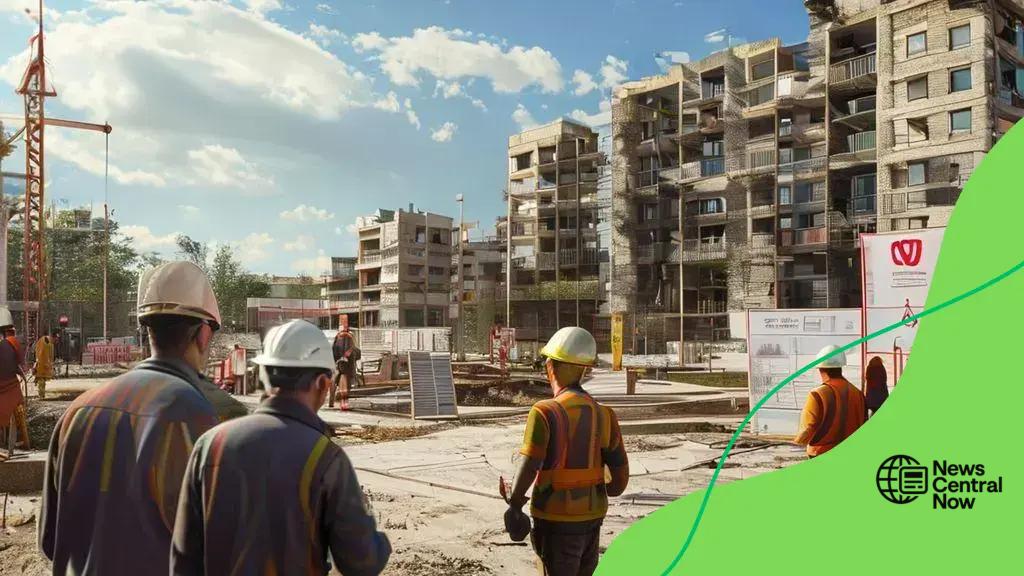
Challenges in public housing development are significant and multifaceted. While these projects aim to provide affordable housing, various obstacles can hinder their success.
Funding Limitations
A primary challenge is securing adequate funding. Government budgets for housing can be tight, leading to reduced financial support for new and existing projects. This limitation often slows down construction and maintenance efforts.
Community Resistance
Another issue is community resistance to public housing developments. Some residents may oppose new projects due to concerns about property values, safety, or changes to neighborhood dynamics. This resistance can complicate the planning and approval processes.
- Not In My Backyard (NIMBY): A common attitude where individuals opposed to developments in their area create barriers to progress.
- Misunderstandings: Potential misconceptions about who will live in public housing often fuel opposition.
- Political Influence: Local politicians may cater to vocal constituents, halting projects.
Additionally, regulatory hurdles can impede progress. Navigating the complex maze of zoning laws and building codes often delays projects. Developers must comply with these regulations, which can lead to increased costs and longer timelines.
Another challenge is ensuring the quality and sustainability of public housing. Many projects face scrutiny regarding construction standards and long-term viability. Housing authorities must balance affordability with building durable and safe structures.
Addressing these challenges requires collaboration among developers, government officials, and community members. Open dialogue and education about the benefits of public housing can help bridge gaps and foster understanding.
Innovations in public housing design
Innovations in public housing design are transforming how communities approach affordable living. Modern designs not only focus on aesthetics but also prioritize functionality and sustainability.
Eco-Friendly Materials
One of the most significant innovations is the use of eco-friendly materials. Designers are utilizing renewable resources like bamboo and recycled steel. This shift minimizes environmental impact and reduces overall construction costs.
Smart Technology Integration
Another remarkable trend is the integration of smart technology. Many new public housing projects now include features like smart thermostats and energy-efficient appliances. These technologies help reduce utility costs for residents and promote energy-saving behaviors.
- Energy Management Systems: Devices that allow residents to monitor and control their energy use from smartphones.
- Smart Security Features: Enhanced security systems that improve safety in public housing developments.
- Internet Connectivity: Reliable internet access has become essential for residents, especially for education and work.
Designers also emphasize community-oriented layouts. Instead of isolated units, many public housing projects now include shared spaces like gardens and community centers. These elements foster social interaction and a sense of belonging among residents.
Moreover, flexibility in design is crucial. Developers are creating adaptable spaces that can meet the changing needs of families over time. This adaptability makes public housing more sustainable, as it can accommodate various household sizes and configurations.
In summary, innovations in public housing design are paving the way for more livable and sustainable communities. These advancements not only enhance the quality of life for residents but also contribute to overall environmental goals, making public housing a vital element in urban planning.
How to advocate for public housing initiatives
Advocating for public housing initiatives is crucial in ensuring that communities have access to safe and affordable housing. Residents, community leaders, and organizations can take effective steps to support these initiatives.
Understand the Issues
The first step in advocacy is understanding the challenges surrounding public housing. Familiarize yourself with local housing policies, funding sources, and community needs. This knowledge will empower you to articulate the importance of public housing to others.
Engagement and Outreach
Next, engaging with the community is vital. Build coalitions with local organizations, residents, and stakeholders. Hosting community meetings can help raise awareness and gather support. Educating others about the benefits of public housing promotes collaboration and creates a strong advocacy base.
- Share Personal Stories: Encourage residents to share their experiences with public housing, emphasizing the program’s impact on their lives.
- Utilize Social Media: Leverage social media platforms to spread awareness and mobilize support for initiatives.
- Organize Events: Plan events and rallies to highlight the need for public housing and to gather public support.
Another important aspect is lobbying local officials. Schedule meetings with policymakers to discuss public housing issues. Present data and personal stories to illustrate the critical need for affordable housing. Be prepared to suggest specific policies or funding increases to support housing initiatives.
Furthermore, continuous education is essential. Keep yourself updated on new housing policies and trends. This enables advocates to respond to changes effectively and to influence future policies that impact public housing.
By working together, community members can foster an environment that supports public housing initiatives. Advocacy is about building relationships, informing the public, and pressuring decision-makers to prioritize affordable living solutions.
FAQ – Frequently Asked Questions about Public Housing Initiatives
What are public housing initiatives?
Public housing initiatives are government programs designed to provide affordable housing options for low-income families.
How can I advocate for public housing in my community?
You can advocate by engaging with local organizations, sharing personal stories, and educating others about the benefits of public housing.
What challenges do public housing initiatives face?
Common challenges include funding limitations, community resistance, and navigating complex regulations.
How do public housing projects benefit communities?
They provide safe, affordable housing and promote economic stability and community integration through accessible living spaces.