Disability Benefits Adequacy: 2025 Coverage Guide

To assess if your disability benefits are adequate in 2025, evaluate your current income needs, understand the types of benefits available, and review policy specifics for Social Security and private plans.
Navigating the complex landscape of disability benefits can feel overwhelming, especially when trying to ensure your financial security. The question, Are Your Disability Benefits Adequate? A 2025 Guide to Assessing Your Coverage, is more pertinent than ever as economic conditions and benefit structures evolve. This guide aims to provide clarity and actionable insights, helping you understand if your current provisions will truly support you in the coming year and beyond.
Understanding the Landscape of Disability Benefits in 2025
As we move into 2025, understanding the various types of disability benefits available in the United States is the first crucial step in assessing their adequacy. These benefits are designed to provide financial support when illness or injury prevents you from working, but their scope and eligibility criteria differ significantly.
Broadly, disability benefits fall into two main categories: government-provided programs and private insurance policies. Each has distinct features that impact how much and for how long you might receive support, making a clear understanding essential for proper evaluation.
Social Security Disability Programs
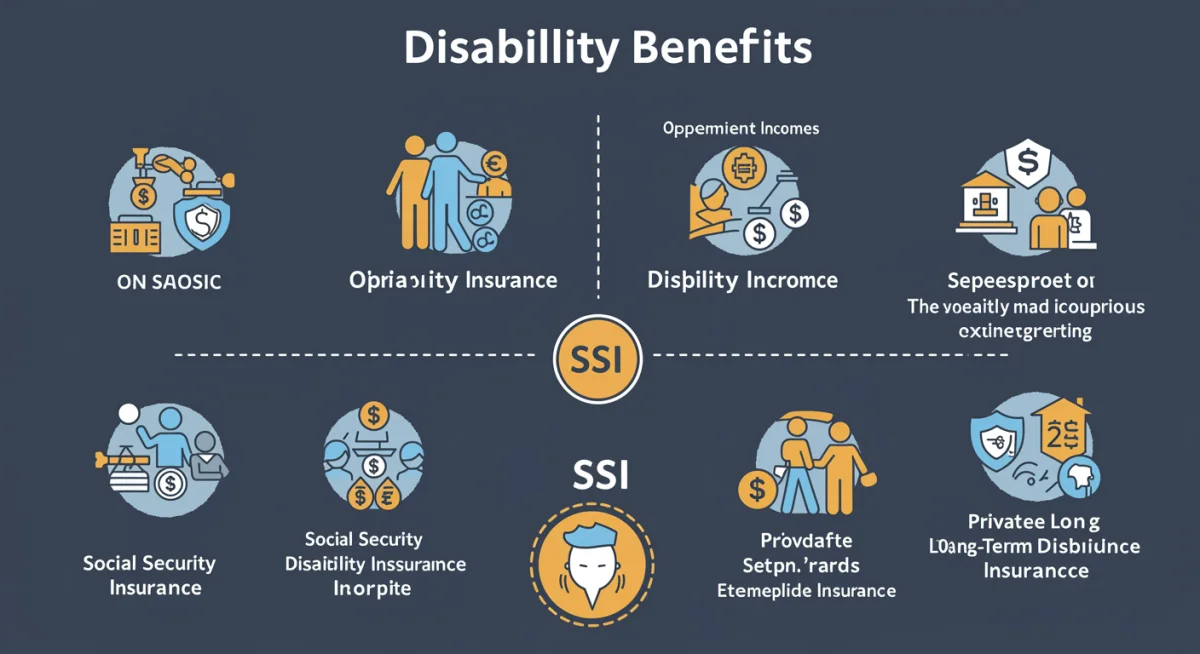
The Social Security Administration (SSA) offers two primary disability programs: Social Security Disability Insurance (SSDI) and Supplemental Security Income (SSI). SSDI is for those who have worked and paid Social Security taxes, while SSI is a needs-based program for low-income individuals, regardless of work history. Eligibility for both requires meeting the SSA’s strict definition of disability.
- SSDI: Requires a recent work history and sufficient work credits. Benefits are based on your lifetime average earnings.
- SSI: Based on financial need, not work history. It provides a basic monthly income for disabled individuals with limited income and resources.
- Application Process: Both programs involve a rigorous application and review process, often requiring extensive medical documentation.
- Benefit Adjustments: Benefits may be subject to cost-of-living adjustments (COLAs) annually, which can impact their real value over time.
Private Disability Insurance
Beyond government programs, many individuals secure private disability insurance, either through their employer (group policies) or purchased individually. These policies often offer more comprehensive coverage and quicker access to benefits compared to Social Security programs.
Private policies can be short-term or long-term. Short-term disability typically covers a few months of lost income, while long-term policies can provide benefits for years, sometimes even until retirement age. The terms, definitions of disability, and benefit amounts vary widely depending on the specific policy.
In conclusion, the landscape of disability benefits is multifaceted. A thorough assessment of your benefits in 2025 must begin with a clear understanding of whether you rely on SSDI, SSI, private insurance, or a combination, and how each program’s rules apply to your specific situation.
Calculating Your Current and Future Financial Needs
Accurately assessing the adequacy of your disability benefits hinges on a realistic understanding of your financial needs, both now and in the foreseeable future. Many people underestimate the true cost of living with a disability, which can include not only regular expenses but also new, often significant, disability-related costs.
It’s not enough to just cover your pre-disability expenses; you must account for how your lifestyle and medical requirements might change, impacting your budget considerably.
Identifying Essential Living Expenses
Start by creating a detailed budget of your essential monthly living expenses. This should include housing, utilities, food, transportation, and basic personal care items. Be meticulous, as even small recurring costs can add up.
- Housing: Rent or mortgage payments, property taxes, homeowner’s insurance.
- Utilities: Electricity, gas, water, internet, cell phone.
- Food: Groceries, dining out (if applicable and within budget).
- Transportation: Car payments, insurance, fuel, public transport, or ride services.
- Personal Care: Toiletries, clothing, personal services.
Factoring in Disability-Related Costs
Living with a disability often introduces a new category of expenses that can significantly strain your finances. These can range from medical treatments and specialized equipment to home modifications and personal assistance.
Consider potential out-of-pocket medical expenses, even with insurance, such as co-pays, deductibles, and costs for medications not fully covered. Also, think about any adaptive equipment, therapy, or home care services you might need.
Projecting Future Needs and Inflation
Financial needs are not static. As you plan for 2025 and beyond, it’s crucial to consider inflation and how it will erode the purchasing power of your fixed benefits. Medical costs, in particular, tend to rise faster than general inflation.
Think about potential future medical procedures, changes in care needs, or even the possibility of requiring assisted living down the line. While exact predictions are impossible, making reasonable projections helps ensure your benefits remain adequate over time.
Ultimately, a comprehensive financial needs assessment is the cornerstone of determining your disability benefits adequacy. By meticulously detailing your current expenses, anticipating disability-specific costs, and projecting future needs, you can gain a clear picture of the financial support required.
Evaluating Your Social Security Disability Coverage
For many Americans, Social Security Disability Insurance (SSDI) or Supplemental Security Income (SSI) forms the bedrock of their disability coverage. Understanding the specifics of your Social Security benefits is paramount to determining if they are adequate for your needs in 2025.
These government programs, while vital, often do not replace 100% of your pre-disability income, and their rules can be complex, impacting your overall financial stability.
Understanding Your Benefit Amount
Your SSDI benefit amount is calculated based on your average indexed monthly earnings (AIME) over your working life. This means higher earners typically receive higher benefits, up to a maximum limit. SSI, on the other hand, provides a standard federal benefit rate, which can be supplemented by state payments in some areas.
It’s crucial to know your specific monthly benefit amount. You can typically find this information on your Social Security statement or by contacting the SSA directly. Compare this figure against your calculated essential living expenses to identify any immediate shortfalls.
Considering Dependents and Family Benefits
SSDI can also provide benefits to certain family members, such as a spouse or minor/dependent children. These additional benefits can significantly increase your household’s total income, making them an important factor in evaluating your overall coverage.
- Spousal benefits: Available if your spouse is 62 or older, or caring for your child under 16 or disabled.
- Children’s benefits: Available for unmarried children under 18 (or 19 if still in high school) or disabled children of any age if their disability began before age 22.
- Total Family Maximum: There’s a limit to the total amount of benefits that can be paid to a family on one person’s work record.
Navigating Work Incentives and Earnings Limits
The SSA has various work incentives designed to help beneficiaries return to work without immediately losing their benefits. These include the Trial Work Period (TWP) and the Extended Period of Eligibility (EPE).
However, earning above certain limits can impact your benefits. For SSDI, this is known as Substantial Gainful Activity (SGA). For SSI, any income, earned or unearned, will reduce your monthly payment. Understanding these rules is critical if you anticipate any return to work, even part-time.
In summary, evaluating your Social Security disability coverage in 2025 requires a deep dive into your specific benefit amount, potential family benefits, and the implications of any work activity. This detailed examination helps determine if your government benefits alone provide sufficient disability benefits adequacy.
Assessing Private Disability Insurance Policies
While Social Security provides a foundational safety net, private disability insurance often offers more robust protection, especially for those with higher incomes or specific occupational risks. A thorough review of your private policy is essential to determine if your disability benefits adequacy will be met in 2025.
These policies are contracts with specific terms and conditions, and understanding the fine print can make all the difference when you need to file a claim.
Reviewing Policy Definitions and Terms
The definition of “disability” within your private policy is perhaps the most critical element. Policies typically use either an “own occupation” or “any occupation” definition. “Own occupation” is more generous, meaning you’re considered disabled if you can’t perform the duties of your specific job.
“Any occupation” is stricter, requiring you to be unable to perform any job for which you are reasonably suited by education, training, or experience. Additionally, check for waiting periods (elimination periods), benefit periods, and any exclusions or limitations.
Understanding Benefit Amounts and Riders
Your policy will specify the monthly benefit amount, often a percentage of your pre-disability income (e.g., 60-70%). Compare this amount to your financial needs assessment to see if there’s a gap. Also, look for any riders or additional features you may have purchased:
- Cost of Living Adjustment (COLA) Rider: Increases your benefits over time to combat inflation.
- Future Increase Option (FIO) Rider: Allows you to increase your coverage without further medical underwriting.
- Partial Disability Rider: Provides benefits if you can work part-time but are still partially disabled.
- Residual Disability Rider: Offers proportional benefits if you return to work part-time and suffer a loss of income due to disability.
Coordination with Other Benefits
Many private disability policies include clauses about coordination of benefits. This means your private insurer might reduce your payments if you also receive Social Security disability benefits or other income sources.
It’s vital to understand how your private policy interacts with SSDI or any other benefits you might receive to avoid unexpected reductions in your total income. This coordination can significantly impact your overall disability benefits adequacy.
In conclusion, a meticulous review of your private disability insurance policy’s definitions, benefit amounts, riders, and coordination clauses is non-negotiable. This detailed scrutiny ensures you fully grasp the extent of your coverage and its ability to meet your financial needs in 2025.
Strategies for Maximizing Your Disability Benefits
Once you’ve assessed your current coverage, the next logical step is to explore strategies for maximizing your disability benefits. This involves understanding potential avenues for increasing your income, protecting your existing benefits, and planning for unforeseen circumstances.
Proactive planning and awareness of available resources can significantly enhance your financial stability while living with a disability, ensuring greater disability benefits adequacy.
Appealing Denied or Underpaid Claims
It’s common for initial disability claims, both with Social Security and private insurers, to be denied or approved at a lower amount than expected. Do not be discouraged. The appeals process is a critical mechanism for ensuring you receive the benefits you deserve.
For Social Security, there are multiple levels of appeal, including reconsideration, a hearing before an Administrative Law Judge (ALJ), and review by the Appeals Council. For private insurance, follow your policy’s internal appeal procedures, and if necessary, seek legal counsel.
Exploring Additional Support Programs
Beyond primary disability benefits, several other programs and resources can provide supplementary financial or in-kind support. These can significantly bolster your overall economic well-being.
- Medicaid/Medicare: Crucial for covering healthcare costs; eligibility often linked to disability status.
- Food Assistance Programs (SNAP): Helps low-income individuals and families purchase food.
- Housing Assistance: Programs like Section 8 can help with housing costs.
- State Disability Programs: Some states offer their own short-term or supplemental disability benefits.
- Vocational Rehabilitation Services: Can provide training and support for returning to work.
Long-Term Financial Planning and Estate Considerations
Maximizing benefits also involves smart financial planning for the long term. This includes managing existing assets, considering special needs trusts for beneficiaries with disabilities, and understanding how benefits might impact other financial goals.
Consulting with a financial advisor specializing in disability planning can help you navigate complex financial decisions, ensuring your benefits are integrated into a comprehensive financial strategy for sustained disability benefits adequacy.
In conclusion, maximizing your disability benefits is an ongoing process that extends beyond receiving an initial approval. It encompasses appealing unfavorable decisions, leveraging supplementary programs, and engaging in strategic long-term financial planning to secure your future.
Common Pitfalls and How to Avoid Them
Navigating the disability benefits system can be fraught with challenges, and many individuals inadvertently make mistakes that jeopardize their claims or reduce their overall benefits. Being aware of these common pitfalls and understanding how to avoid them is crucial for maintaining your disability benefits adequacy in 2025.
Proactive knowledge and careful adherence to guidelines can save you significant stress and financial hardship.
Incomplete or Inconsistent Documentation
One of the most frequent reasons for denied or delayed claims is insufficient medical evidence or inconsistencies in reported information. Both Social Security and private insurers rely heavily on comprehensive medical records to establish the severity and duration of your disability.
Ensure all medical treatments, diagnoses, prognoses, and limitations are thoroughly documented by your healthcare providers. Keep detailed records of all your medical visits, medications, and treatments. Any discrepancies between your application statements and your medical history can raise red flags.
Missing Deadlines and Ignoring Communication
Disability claims involve strict deadlines for submitting applications, appeals, and requested information. Missing these deadlines can lead to outright denials or the forfeiture of your right to appeal. Similarly, ignoring communications from the SSA or your private insurer can have serious consequences.
Always respond promptly to requests for information and keep copies of all correspondence. If you need more time to gather documents, communicate this immediately and request an extension if possible.
Underestimating the Impact of Work or Income
As discussed, working while receiving disability benefits can be complex. Many beneficiaries unknowingly exceed earnings limits or engage in activities that contradict their stated disability, leading to benefit reductions or cessation.
Before attempting any return to work, thoroughly understand the work incentives and earnings thresholds for your specific benefits (SSDI, SSI, or private). If in doubt, consult with the SSA or your private insurer, or seek advice from a disability advocate or attorney.
Failing to Seek Professional Assistance
The disability benefits system is intricate, and attempting to navigate it alone can be overwhelming. Many individuals hesitate to seek professional help due to perceived costs or a belief they can handle it themselves. However, attorneys or advocates specializing in disability law can significantly increase your chances of approval and help you avoid critical errors.
They can assist with gathering evidence, completing paperwork, representing you at hearings, and appealing denials. The cost of their services is often contingent on winning your case, making it a worthwhile investment for securing your disability benefits adequacy.
By being vigilant about documentation, adhering to deadlines, understanding income rules, and not shying away from professional help, you can successfully avoid many common pitfalls and ensure your disability benefits remain intact and adequate.
Preparing for Future Changes and Maintaining Vigilance
The world of disability benefits is not static; it’s subject to legislative changes, economic shifts, and evolving policy interpretations. To ensure your disability benefits adequacy remains strong into 2025 and beyond, a proactive approach to monitoring these changes and maintaining vigilance is essential.
Staying informed and regularly reviewing your situation will empower you to adapt and make necessary adjustments to your financial planning.
Monitoring Legislative and Policy Updates
Government programs like Social Security are influenced by federal legislation and policy adjustments. Changes to eligibility criteria, benefit calculation formulas, or work incentives can directly impact your benefits. Similarly, private insurance companies may update their policies or interpret terms differently over time.
Regularly check official sources such as the Social Security Administration website, reputable news outlets, and industry publications for updates. Awareness of impending changes allows you to plan accordingly, perhaps by seeking additional coverage or adjusting your budget.
Regularly Reviewing Your Financial and Medical Situation
Your financial needs and medical condition are not fixed. Your cost of living might increase, new medical expenses could arise, or your disability might improve or worsen. A periodic review of your personal circumstances is critical for assessing the ongoing adequacy of your benefits.
Annually, re-evaluate your budget, medical needs, and any other income sources. If your medical condition significantly changes, it might impact your eligibility or benefit level, requiring you to update the SSA or your private insurer.
Adapting Your Financial Strategy
Based on your reviews and any external changes, be prepared to adapt your financial strategy. This could involve adjusting your spending habits, exploring additional savings or investment vehicles, or even considering part-time work if your health allows and it aligns with benefit rules.
If you identify a significant gap in your coverage, explore options like purchasing supplemental insurance (if available and affordable) or seeking assistance from non-profit organizations that support individuals with disabilities.
Maintaining vigilance means not just reacting to changes but anticipating them. By staying informed, regularly assessing your situation, and being flexible with your financial strategies, you can ensure your disability benefits continue to provide the necessary support for your well-being in the long term.
| Key Assessment Factor | Brief Description |
|---|---|
| Understand Benefit Types | Differentiate between SSDI, SSI, and private insurance policies and their specific criteria. |
| Calculate Financial Needs | Detail all living and disability-related expenses, projecting for future inflation and changes. |
| Review Policy Details | Examine definitions of disability, benefit amounts, riders, and coordination clauses for all policies. |
| Stay Informed | Monitor legislative changes, policy updates, and regularly reassess your situation to adapt. |
Frequently Asked Questions About Disability Benefits Adequacy
SSDI (Social Security Disability Insurance) is for those with a work history who’ve paid Social Security taxes. SSI (Supplemental Security Income) is a needs-based program for low-income individuals, regardless of work history. Eligibility for both requires meeting the SSA’s strict definition of disability.
It’s advisable to review your disability benefits coverage annually, especially as you approach significant life changes or as economic conditions and policy rules evolve. This ensures your benefits remain aligned with your financial needs and any legislative updates.
Yes, but with strict limitations. Both Social Security and private insurers have rules regarding earned income. For SSDI, the Substantial Gainful Activity (SGA) limit applies, and SSI has different income reduction rules. Always understand these limits before returning to work to avoid jeopardizing your benefits.
If your private disability claim is denied, you have the right to appeal. First, follow the internal appeals process outlined in your policy. If that fails, consider seeking legal counsel from an attorney specializing in disability insurance to explore further options.
When assessing benefit adequacy, project future expenses with an inflation rate in mind. Some private policies offer Cost of Living Adjustment (COLA) riders, and Social Security benefits typically receive annual COLAs. Factor these into your long-term financial planning.
Conclusion
Ensuring your disability benefits are adequate for 2025 and beyond is a critical component of financial security when facing the challenges of a disability. This comprehensive guide has underscored the importance of understanding the diverse landscape of benefits, meticulously calculating your financial needs, and rigorously evaluating both Social Security and private insurance policies. By proactively addressing potential pitfalls, maximizing available support, and remaining vigilant about future changes, you can confidently navigate the complexities of disability coverage. Taking these steps empowers you to secure a stable financial future, allowing you to focus on your well-being and quality of life.