2026 Fed Rate Hikes: 3-Month Investment Impact
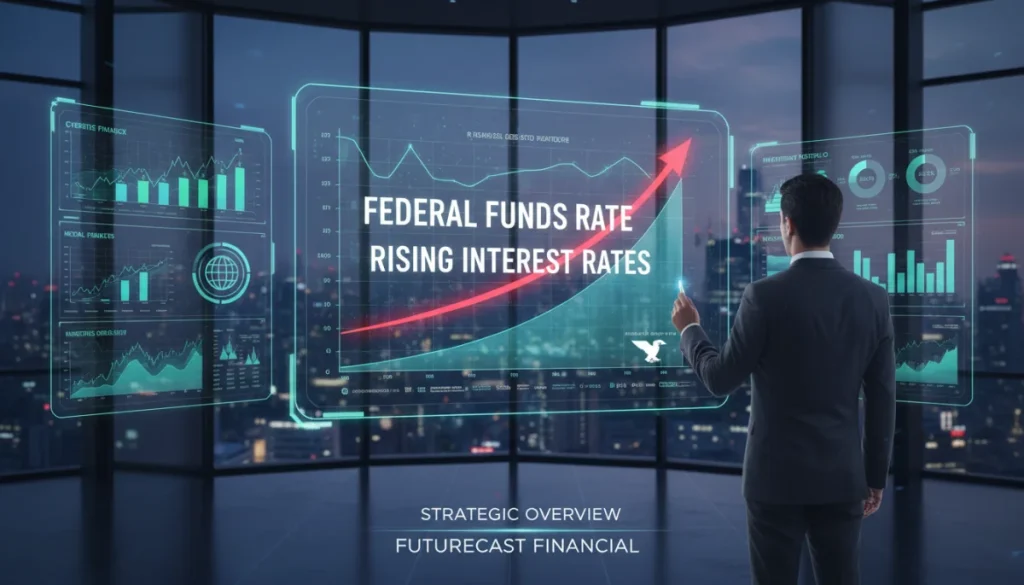
Understanding the potential impact of 2026 Federal Reserve interest rate hikes over a three-month period is crucial for optimizing investment strategies and safeguarding financial portfolios.
Navigating the 2026 Federal Reserve Interest Rate Hikes: A 3-Month Financial Impact Analysis for Your Investments demands proactive strategies and a clear understanding of market dynamics. As the economic landscape evolves, anticipating these shifts is key to protecting and growing your wealth.
Understanding the Federal Reserve’s Mandate and Future Outlook
The Federal Reserve, often referred to as ‘the Fed,’ operates with a dual mandate: to foster maximum employment and maintain price stability. These objectives guide its decisions on monetary policy, particularly interest rates. As we approach 2026, market analysts and economists are closely scrutinizing indicators that might signal upcoming rate adjustments. Understanding the Fed’s stance and potential actions is foundational for any investor.
Historically, the Fed has adjusted rates to either stimulate or cool down the economy. When inflation rises beyond comfortable levels, the Fed typically raises rates to make borrowing more expensive, thereby reducing demand and curbing price increases. Conversely, during economic slowdowns, rates are lowered to encourage borrowing, spending, and investment. The current economic climate, characterized by evolving inflation pressures and labor market conditions, suggests a cautious but potentially active Fed in 2026.
Key Economic Indicators Influencing Fed Decisions
Several economic indicators are paramount in the Fed’s decision-making process. Keeping an eye on these can offer insights into potential rate movements.
- Inflation Data: The Consumer Price Index (CPI) and Personal Consumption Expenditures (PCE) are primary measures the Fed monitors. Persistent high inflation often necessitates rate hikes.
- Employment Figures: Unemployment rates, job growth, and wage increases provide a snapshot of labor market health. A strong labor market might give the Fed more room to raise rates without fear of stifling job creation.
- GDP Growth: Gross Domestic Product (GDP) indicates overall economic activity. Robust growth could support rate increases, while sluggish growth might deter them.
- Consumer Spending: A significant driver of the U.S. economy, consumer spending patterns can influence inflationary pressures and economic momentum.
The Fed’s communication, often through speeches by its governors and the release of meeting minutes, also offers invaluable clues. These public statements provide a window into their collective thinking and future policy inclinations. Investors should pay close attention to the language used, as subtle shifts can signal significant policy changes.
In conclusion, a comprehensive understanding of the Federal Reserve’s mandate and the economic indicators it prioritizes is essential for anticipating interest rate adjustments in 2026. This foundational knowledge empowers investors to better prepare for the financial implications of these policy shifts.
Direct Impact on Fixed-Income Investments Over Three Months
Fixed-income investments, such as bonds and certificates of deposit (CDs), are particularly sensitive to interest rate changes. As the Federal Reserve contemplates rate hikes in 2026, understanding the immediate and short-term effects on these assets over a three-month horizon is critical for portfolio management.
When interest rates rise, newly issued bonds typically offer higher yields, making existing bonds with lower yields less attractive. This dynamic generally causes the market value of existing bonds to fall. The inverse relationship between interest rates and bond prices is a fundamental concept in fixed-income investing. For investors holding bonds, this means a potential decrease in the principal value of their current holdings.
Bond Market Volatility and Yield Curve Shifts
A three-month period following a rate hike can introduce significant volatility in the bond market. Short-term bonds tend to be less sensitive to rate changes than long-term bonds because their maturity is closer, allowing investors to reinvest at new, higher rates sooner. However, even short-term bonds will see adjustments.
- Existing Bond Prices: Expect a decline in the market value of bonds purchased before the rate hike, especially those with longer maturities.
- New Bond Opportunities: Higher interest rates mean new bond issues will offer more attractive yields, creating opportunities for investors to lock in better returns.
- Yield Curve Implications: Rate hikes can lead to a flattening or even inversion of the yield curve, where short-term yields rise faster than long-term yields. This can signal economic uncertainty.
Certificates of Deposit (CDs) and money market accounts also react directly to rate changes. Higher Fed rates usually translate to better returns on new CDs and money market funds, benefiting savers. However, existing CDs will continue to pay their predetermined rates until maturity, so investors might consider staggering CD maturities to take advantage of future rate increases.
For investors focused on a three-month window, the immediate strategy might involve assessing the duration of current bond holdings and considering whether to hold to maturity or reallocate. Short-term bond funds might offer some protection against significant price depreciation compared to individual long-term bonds. This direct impact on fixed-income assets underscores the need for careful review and potential adjustments in anticipation of 2026 Fed Rate Hikes.
Equity Market Reactions and Sector Performance
The equity market’s response to Federal Reserve interest rate hikes is multifaceted and can vary significantly across different sectors. While higher interest rates generally increase borrowing costs for companies and can dampen consumer spending, leading to a broad market slowdown, certain sectors may prove more resilient or even thrive in such an environment over a three-month analysis period.
Growth stocks, particularly those of companies reliant on future earnings and external financing, often face headwinds when rates rise. Their valuations are more sensitive to changes in the discount rate used to calculate future cash flows. Conversely, value stocks, which are typically mature companies with stable earnings and less dependence on debt, might be more resilient. The immediate three-month reaction can be one of increased volatility as the market digests the implications of the Fed’s actions.
Sectoral Winners and Losers
Not all sectors react uniformly to rising interest rates. Understanding these nuances is crucial for strategic positioning.
- Financials: Banks and other financial institutions often benefit from rising rates because they can charge more for loans, increasing their net interest margins. This sector typically sees a boost.
- Utilities and Real Estate: These sectors often carry significant debt and are sensitive to borrowing costs. Higher rates can increase their operational expenses and reduce profitability, making them less attractive.
- Technology: Many tech companies are growth-oriented and rely on venture capital or debt for expansion. Higher rates can make funding more expensive and reduce investor appetite for high-growth, high-valuation stocks.
- Consumer Staples: Companies in this sector, providing essential goods, tend to be more stable regardless of economic conditions. They might offer a defensive play during periods of uncertainty.
Over a three-month span, investors should monitor corporate earnings reports for signs of interest rate impact on profitability and debt servicing. Companies with strong balance sheets and low debt levels will be better positioned to weather the storm. Furthermore, sectors with strong pricing power may be able to pass on increased costs to consumers, mitigating some of the negative effects.
In essence, while the overall equity market might experience some turbulence, a selective approach, focusing on sectors that historically perform well during rising rate environments, can help investors navigate the immediate aftermath of 2026 Fed Rate Hikes. Diversification remains a key strategy to mitigate risks across varied market conditions.
Real Estate and Mortgage Market Adjustments
The real estate and mortgage markets are profoundly affected by interest rate changes. As the Federal Reserve considers hiking rates in 2026, a three-month analysis reveals significant adjustments for both homeowners and potential buyers. Higher interest rates directly translate to higher borrowing costs for mortgages, influencing affordability and demand.
For prospective homebuyers, rising mortgage rates mean a higher monthly payment for the same loan amount, effectively reducing their purchasing power. This can lead to a slowdown in housing demand, potentially moderating home price appreciation or even causing slight declines in certain markets. The initial three months following a rate hike can see a noticeable dip in sales activity as buyers adjust to the new financial landscape or delay their decisions.
Impact on Homeowners and Investors
Existing homeowners with fixed-rate mortgages are largely insulated from rate hikes, as their monthly payments remain constant. However, those with adjustable-rate mortgages (ARMs) will likely see their payments increase, potentially straining household budgets. Real estate investors, particularly those leveraging debt for property acquisitions, will face higher financing costs, which could impact their profitability and investment decisions.
- Mortgage Affordability: Higher rates reduce the amount buyers can borrow comfortably, leading to fewer eligible buyers and potentially softer demand.
- Refinancing Activity: Refinancing typically slows significantly as existing mortgage rates become less attractive than new, higher rates.
- Home Prices: While not immediate, sustained higher rates can lead to a deceleration in home price growth or even modest price corrections in overvalued markets over time. The three-month window might show early signs of this trend.
- Rental Market: As homeownership becomes less accessible, demand for rental properties might increase, potentially pushing up rental prices.

Real estate developers also face increased costs for construction loans, which can slow down new project starts and overall supply. This complex interplay of factors means that the real estate market will be a key area to watch during and after the 2026 Fed Rate Hikes. Prudent financial planning for homeowners involves reviewing mortgage terms, while investors should re-evaluate their debt-to-equity ratios and cash flow projections for properties.
Personal Finance and Consumer Borrowing
Federal Reserve interest rate hikes extend their influence beyond institutional investments, directly impacting the personal finances and borrowing costs of everyday consumers. Within a three-month period following an increase, individuals will likely observe changes in various aspects of their financial lives, from credit card interest to savings account yields.
For consumers with variable-rate debt, such as credit cards, home equity lines of credit (HELOCs), and certain personal loans, higher Fed rates translate almost immediately to increased interest payments. This can place additional strain on household budgets, especially for those already carrying significant debt. The cost of financing new purchases, from cars to major appliances, also rises, potentially leading consumers to delay or reconsider large expenditures.
Savings, Loans, and Credit Cards
While borrowing becomes more expensive, higher interest rates can offer a silver lining for savers. Banks typically adjust the interest rates on savings accounts, money market accounts, and certificates of deposit (CDs) upwards, albeit often with a lag and not always in full proportion to Fed hikes. Over a three-month period, savers might start to see slightly better returns on their deposits, encouraging more saving.
- Credit Card Debt: Interest rates on credit cards, which are predominantly variable, will likely increase, making it more expensive to carry balances. Prioritizing debt reduction becomes even more critical.
- Auto Loans and Personal Loans: New loans will come with higher interest rates. This can impact the affordability of new vehicles or other financed purchases.
- Savings Account Yields: While usually modest, savings account interest rates may see incremental improvements, providing a small boost to liquid savings.
- Student Loans: Federal student loan rates are fixed, but private student loan rates, particularly variable ones, could increase, affecting monthly payments for many borrowers.
The three-month window after a rate hike is a crucial time for consumers to review their personal financial health. It’s an opportune moment to consolidate high-interest debt, re-evaluate spending habits, and explore options for locking in current rates on new loans before further increases. Understanding these direct impacts is vital for effectively Navigating the 2026 Federal Reserve Interest Rate Hikes at a personal level.
Strategic Investment Adjustments for 2026
As the prospect of 2026 Federal Reserve interest rate hikes looms, making strategic adjustments to investment portfolios becomes paramount. A proactive approach, particularly over a three-month analytical horizon, can help mitigate risks and identify opportunities. This involves re-evaluating asset allocation, considering alternative investments, and focusing on resilience.
Diversification remains a cornerstone of prudent investing, but the specific allocation within a diversified portfolio may need fine-tuning. For instance, reducing exposure to highly leveraged companies or long-duration bonds, which are more susceptible to rising rates, could be a wise move. Conversely, increasing holdings in sectors that historically perform well during periods of rising rates, such as financials or certain value-oriented industries, might be beneficial.
Rebalancing and Alternative Strategies
Rebalancing a portfolio to align with changing economic conditions is a continuous process. In anticipation of 2026 rate hikes, investors might consider shortening the duration of their bond portfolios, opting for short-term bonds or bond funds, which are less sensitive to interest rate fluctuations. This allows for quicker reinvestment at potentially higher rates.
- Cash Management: Holding a slightly larger cash position can provide flexibility to seize new investment opportunities as they arise from market adjustments.
- Inflation-Protected Securities: Treasury Inflation-Protected Securities (TIPS) can offer protection against rising inflation, which often accompanies the economic conditions leading to rate hikes.
- Dividend Stocks: Companies with strong dividend yields and stable cash flows can provide a source of income and some stability during volatile periods.
- Commodities: Certain commodities, like gold, can act as a hedge against inflation and economic uncertainty, though their performance can be volatile.
Furthermore, exploring alternative investments such as real estate investment trusts (REITs) carefully, or even private equity (for accredited investors), might offer uncorrelated returns, though these come with their own set of risks. The key is to analyze each investment’s sensitivity to interest rate changes and its potential for growth or income generation in the evolving economic landscape. Effective navigation of the 2026 Fed Rate Hikes requires a dynamic and informed investment strategy, constantly adapting to new information and market signals.
Long-Term Financial Planning Beyond the 3-Month Horizon
While a three-month analysis of Federal Reserve interest rate hikes provides crucial immediate insights, effective financial planning extends far beyond this short window. Long-term strategies are essential to building enduring wealth and achieving financial goals, irrespective of short-term market fluctuations. The 2026 rate hikes should serve as a catalyst for reviewing and solidifying a robust, forward-looking financial plan.
Long-term planning involves setting clear financial objectives, whether it’s retirement savings, education funding, or significant asset accumulation. These goals should guide investment decisions, rather than reacting impulsively to every market shift. A well-constructed long-term plan incorporates diversification across various asset classes, a realistic risk tolerance, and regular portfolio reviews.
Adapting to a New Interest Rate Environment
The prospect of sustained higher interest rates in the coming years suggests a different investment environment than the low-rate era many investors have grown accustomed to. This necessitates a re-evaluation of assumptions and a potential shift in investment philosophy.
- Debt Management: Prioritize paying down high-interest debt and consider locking in fixed rates for essential long-term borrowing to avoid future payment shocks.
- Retirement Accounts: Continue consistent contributions to 401(k)s, IRAs, and other retirement vehicles. The power of compounding over decades can significantly outweigh short-term market volatility.
- Diversification: Maintain a well-diversified portfolio that includes a mix of equities, fixed income, and potentially alternative assets, adjusted for your age and risk profile.
- Professional Guidance: Consulting with a financial advisor can provide personalized strategies tailored to individual circumstances and long-term goals, helping to navigate complex market conditions.
The 2026 Fed Rate Hikes are a reminder that economic conditions are cyclical. By adopting a long-term perspective and implementing disciplined financial habits, investors can not only weather periods of rising rates but also position themselves to capitalize on future opportunities. Patience, consistent investing, and a focus on fundamental financial principles remain the most powerful tools for long-term success.
| Key Impact Area | Brief Description of 3-Month Effect |
|---|---|
| Fixed Income | Existing bond prices may decline; new bonds offer higher yields. |
| Equity Markets | Increased volatility, growth stocks may struggle, financials could benefit. |
| Real Estate | Mortgage rates rise, reducing affordability and potentially slowing sales. |
| Personal Finance | Higher credit card interest, but potentially better savings account yields. |
Frequently Asked Questions About 2026 Fed Rate Hikes
Federal Reserve interest rate hikes refer to increases in the federal funds rate, which is the target rate for overnight lending between banks. These adjustments influence borrowing costs across the economy, impacting everything from mortgages to credit card rates.
If you have a fixed-rate mortgage, your payments will remain unchanged. However, if you have an adjustable-rate mortgage (ARM), your monthly payments will likely increase as the interest rate on your loan adjusts upward in response to Fed hikes.
While immediate panic is unwarranted, it’s prudent to review your portfolio. Consider reducing exposure to long-duration bonds and highly leveraged growth stocks, and explore sectors that historically perform well, like financials, during rising rate environments.
Yes, typically, banks will eventually increase the interest rates on savings accounts and certificates of deposit (CDs) in response to Fed rate hikes. However, these increases often occur with a lag and may not fully match the Fed’s adjustments.
The primary risk is a decline in the value of existing fixed-income investments (bonds) and potential headwinds for growth stocks. Increased borrowing costs can also slow economic growth, impacting corporate earnings and overall market sentiment.
Conclusion
The anticipation and reality of 2026 Federal Reserve interest rate hikes present both challenges and opportunities for investors and consumers alike. A three-month financial impact analysis underscores the need for vigilance and informed decision-making across fixed-income, equity, and real estate markets, as well as personal finance. By understanding the Fed’s objectives, monitoring key economic indicators, and proactively adjusting investment strategies, individuals can better navigate these shifts. Ultimately, a long-term perspective, coupled with disciplined financial planning and diversification, remains the most robust approach to securing financial well-being in an evolving economic landscape.