2026 Housing Market: Opportunities & Risk Assessment
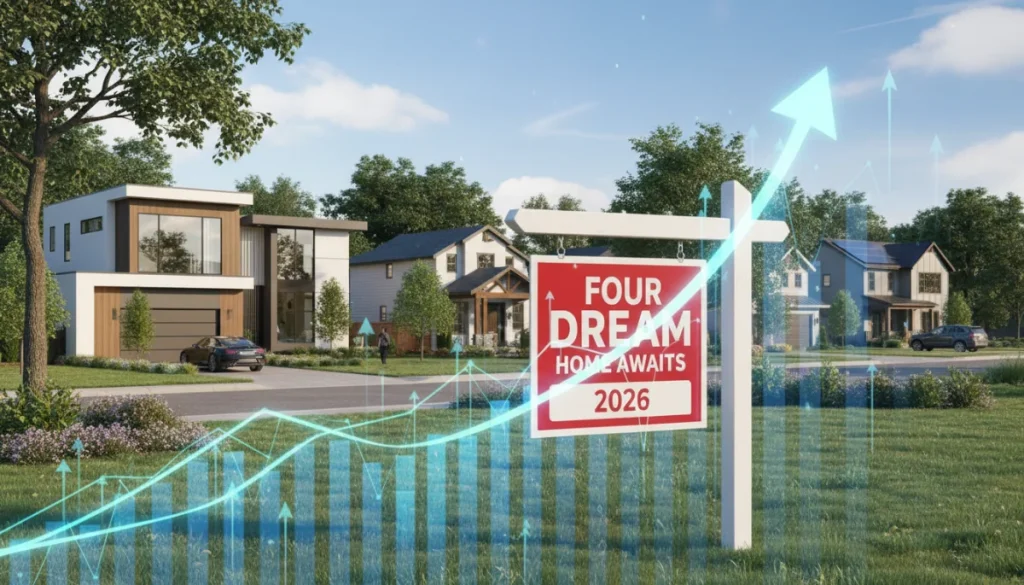
The 2026 housing market presents a complex interplay of investment opportunities and risks, shaped by economic shifts, demographic changes, and evolving regulatory landscapes, demanding strategic assessment.
Welcome to a crucial discussion on Analyzing the 2026 Housing Market: Investment Opportunities and Risk Assessment. As we approach the mid-decade, understanding the multifaceted dynamics of real estate becomes paramount for investors, homeowners, and industry professionals alike. What lies ahead in this evolving landscape?
Economic drivers shaping the 2026 housing landscape
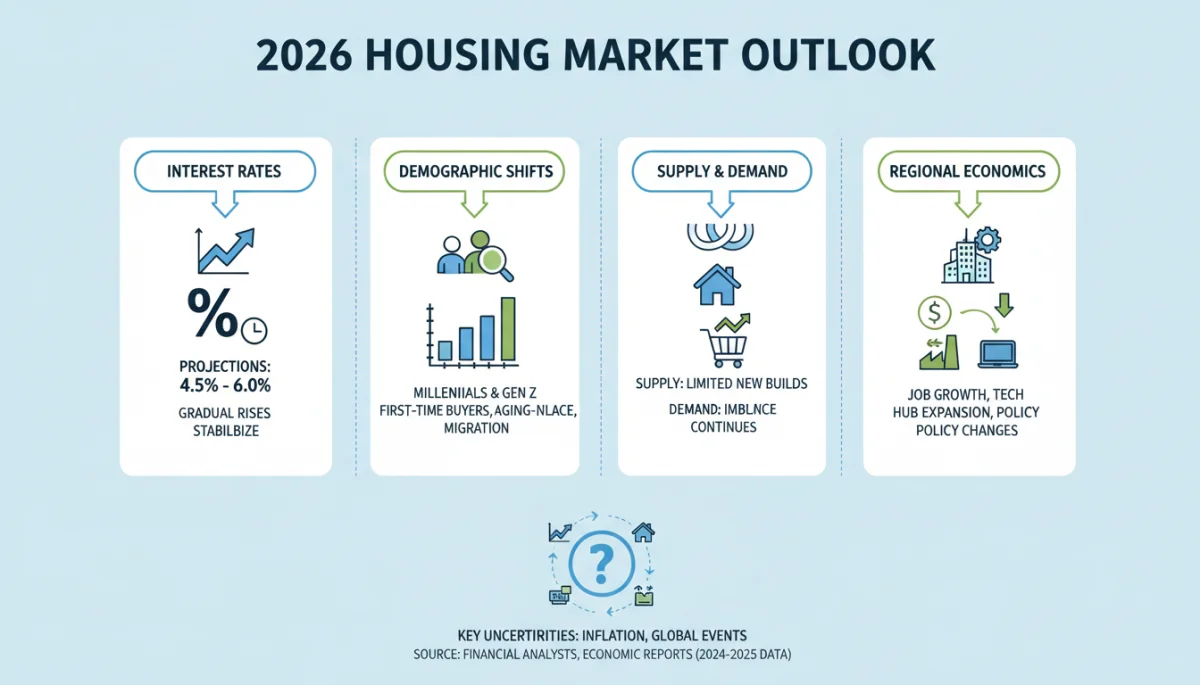
The 2026 housing market will undoubtedly be shaped by a confluence of macroeconomic factors. Interest rates, inflation, and employment figures are not mere statistics; they are the bedrock upon which real estate values and affordability are built. Predicting their trajectory requires a nuanced understanding of global and domestic economic policies.
A significant driver will be the Federal Reserve’s monetary policy. Decisions on the federal funds rate directly impact mortgage rates, influencing buyer demand and borrowing costs. Sustained inflation could lead to further rate hikes, potentially cooling an overheated market, while a stable inflationary environment might encourage more robust activity. Investors must closely monitor these signals, as even small shifts can have profound effects on property valuations.
Interest rate projections and their impact
Forecasting interest rates for 2026 involves examining various economic models and expert consensus. While predicting exact figures is challenging, the general sentiment points towards a stabilization after recent fluctuations. This stability could bring a sense of predictability back to the market, allowing both buyers and sellers to plan with greater confidence.
- Buyer affordability: Lower interest rates enhance purchasing power, making homes more accessible.
- Investor returns: Stable rates allow for more accurate financial modeling and projected returns on investment properties.
- Market liquidity: Predictable borrowing costs generally increase market activity and transaction volumes.
The interplay between these economic indicators creates a complex environment. A strong job market, for instance, typically fuels housing demand, but if wages don’t keep pace with inflation or rising interest rates, affordability can become a significant hurdle. Therefore, a holistic view is essential for anyone looking to navigate the 2026 housing market successfully.
In conclusion, the economic underpinnings of the 2026 housing market are critical. Observing and interpreting interest rate trends, inflation data, and employment reports will provide invaluable insights for making informed decisions. These factors collectively determine the overall health and direction of the real estate sector.
Demographic shifts and regional market dynamics
Understanding the 2026 housing market requires a deep dive into demographic trends and their impact on regional dynamics. Population growth, migration patterns, and generational shifts are powerful forces that dictate demand, property types, and investment hotbeds across the United States. These elements create unique opportunities and challenges that vary significantly from one locale to another.
The ongoing movement of people from urban centers to suburban and exurban areas, a trend accelerated by remote work, is expected to continue. This decentralization reshapes demand, boosting property values and development in previously overlooked communities. Simultaneously, the aging baby boomer generation and the rising influence of millennials and Gen Z are creating distinct housing preferences and needs.
Generational preferences and housing types
Each generation brings its own set of priorities to the housing market. Millennials, now in their prime home-buying years, often seek affordability, proximity to amenities, and sustainable features. Gen Z, just entering the market, may prioritize flexible living spaces and tech-integrated homes. Baby boomers, on the other hand, might look for single-story homes, accessible features, or downsizing opportunities.
- Millennials: Demand for starter homes, mixed-use developments, and walkable neighborhoods.
- Gen Z: Interest in smart homes, co-living spaces, and areas with strong digital infrastructure.
- Baby Boomers: Preference for age-restricted communities, smaller homes, or properties requiring minimal maintenance.
Regional variations in the 2026 housing market cannot be overstated. While some areas, particularly in the Sun Belt, may experience robust growth due to inward migration and job creation, others might face slower appreciation or even stagnation. Factors such as local economic diversification, infrastructure development, and regulatory environments play a crucial role in shaping these localized outcomes. Investors must conduct thorough due diligence on specific markets rather than relying on national averages.
In summary, demographic shifts are not uniform across the nation; they manifest differently in various regions. Recognizing these localized trends and generational preferences is essential for identifying promising investment opportunities and understanding the unique characteristics of each market segment within the 2026 housing market.
Emerging investment opportunities in 2026
The 2026 housing market, despite its complexities, is ripe with emerging investment opportunities for those who can identify and capitalize on shifting trends. Beyond traditional single-family homes, various segments of the real estate sector are poised for growth, driven by changing consumer behaviors, technological advancements, and evolving urban planning.
One area gaining traction is the build-to-rent sector. As affordability challenges persist for many, renting remains a viable option, and purpose-built rental communities offer a compelling alternative to traditional apartment living. These properties often feature modern amenities and a community feel, appealing to a broad demographic.
Niche market segments for growth
Beyond build-to-rent, several niche markets present intriguing prospects. Affordable housing, particularly in areas with high demand and limited supply, continues to be a critical need and a stable investment. Additionally, properties designed for specific demographics, such as senior living facilities or student housing, offer specialized income streams and lower vacancy rates if strategically located.
- Build-to-Rent: High demand for quality rental housing, especially in growing suburban areas.
- Affordable Housing: Consistent need, often supported by government incentives and community initiatives.
- Specialized Housing: Senior living, student housing, and co-living spaces cater to specific demographic requirements.
Furthermore, the integration of technology into real estate, often termed ‘PropTech,’ is creating new avenues for investment. Smart home technologies, energy-efficient upgrades, and properties designed for remote work are becoming increasingly attractive to tenants and buyers. Investing in properties that can adapt to these technological advancements or incorporate them from the outset can yield significant returns in the 2026 housing market.
Another area of interest lies in secondary and tertiary markets. As primary metropolitan areas become increasingly expensive, individuals and businesses are looking to smaller cities and towns that offer a better quality of life and lower cost of living. These markets often present lower entry points for investors and higher potential for appreciation as they mature.
In conclusion, the 2026 housing market offers diverse investment opportunities beyond the conventional. By focusing on build-to-rent, niche housing segments, technology integration, and emerging secondary markets, investors can strategically position themselves for success in a dynamic real estate environment.
Navigating potential risks in 2026
While the 2026 housing market presents numerous opportunities, it is equally important to acknowledge and strategically navigate the potential risks. A comprehensive risk assessment is crucial for protecting investments and ensuring long-term financial stability. These risks can stem from economic volatility, regulatory changes, and unforeseen market shifts.
One primary concern for investors is the potential for market corrections. While a complete crash may be unlikely, localized slowdowns or price adjustments could occur in overvalued markets. Over-leveraging, or taking on too much debt, can exacerbate these risks, making properties vulnerable to interest rate hikes or declining rental income.
Market volatility and economic uncertainties
Economic uncertainties, including unexpected recessions or significant changes in employment rates, pose a substantial threat. These factors can quickly dampen buyer demand, increase foreclosures, and depress property values. Geopolitical events, though difficult to predict, can also have ripple effects on global economies and, consequently, on local housing markets.
- Interest Rate Hikes: Can increase borrowing costs and reduce buyer affordability.
- Economic Downturns: Lead to job losses, decreased demand, and potential price depreciation.
- Supply Chain Disruptions: Affect construction costs and timelines, impacting new development.
Regulatory changes represent another significant risk. New zoning laws, environmental regulations, or changes in landlord-tenant laws can impact property profitability and operational costs. Investors must stay informed about local and national legislative developments to adapt their strategies accordingly. For example, stricter rent control measures could limit potential income growth for rental property owners.
Furthermore, climate-related risks are becoming increasingly prominent. Properties in areas prone to natural disasters such as floods, wildfires, or severe storms face higher insurance premiums, potential damage, and reduced marketability. Incorporating climate risk assessment into due diligence is no longer optional but a necessity for sustainable investment in the 2026 housing market.
In conclusion, a proactive approach to risk management is vital. By carefully assessing economic indicators, understanding potential regulatory shifts, and factoring in environmental considerations, investors can better protect their assets and make more resilient decisions in the evolving 2026 housing market.
Technology’s transformative role in real estate
Technology continues to be a profound force in reshaping the real estate industry, and its influence on the 2026 housing market will be even more pervasive. From property search to transaction management and smart home integration, technological advancements are streamlining processes, enhancing efficiency, and creating new opportunities for both consumers and investors.
Artificial intelligence (AI) and machine learning (ML) are increasingly being utilized for market analysis, predictive analytics, and personalized property recommendations. These tools can process vast amounts of data to identify emerging trends, forecast price movements, and even assess investment risks with greater accuracy than traditional methods.
PropTech innovations driving efficiency
PropTech, or property technology, encompasses a wide range of innovations designed to optimize real estate operations. This includes virtual reality (VR) and augmented reality (AR) for immersive property tours, blockchain for secure and transparent transactions, and advanced property management software that automates tasks from rent collection to maintenance scheduling.
- AI/ML Analytics: Provides data-driven insights for market forecasting and investment strategies.
- Virtual Tours (VR/AR): Enhances property viewing experiences, particularly for remote buyers.
- Blockchain: Offers secure and transparent record-keeping for property titles and transactions.
The rise of smart home technology is also transforming the value proposition of properties. Homes equipped with integrated systems for energy management, security, and automation are highly attractive to modern buyers and renters. For investors, this means considering the long-term value added by incorporating such features, which can command higher prices and rental yields.
Beyond the consumer-facing aspects, technology is also revolutionizing construction methods. Modular construction, 3D printing of homes, and sustainable building materials are reducing construction times, costs, and environmental impact. These innovations can help address housing supply shortages and make new developments more economically viable in the 2026 housing market.
In summary, technology is not just an add-on but a fundamental driver of change in the 2026 housing market. Embracing PropTech, leveraging AI for insights, and integrating smart home features are essential strategies for anyone looking to stay competitive and maximize opportunities in this increasingly digital real estate landscape.
Strategic planning for investors and homeowners
Effective strategic planning is paramount for both investors and homeowners looking to thrive in the 2026 housing market. Given the dynamic nature of economic factors, demographic shifts, and technological advancements, a well-thought-out strategy can mitigate risks and capitalize on emerging opportunities. This involves setting clear goals, conducting thorough research, and maintaining flexibility.
For investors, diversification remains a key principle. Instead of putting all resources into a single property type or location, spreading investments across different market segments or regions can reduce overall risk. This could mean a mix of residential, commercial, or specialized properties, or a portfolio that includes both appreciating assets and income-generating rentals.
Key considerations for strategic investment
Before making any moves, investors should perform rigorous due diligence. This includes analyzing local market data, understanding zoning laws, assessing potential rental income, and evaluating property management requirements. A clear exit strategy should also be in place, outlining how and when to divest from an investment to maximize returns or minimize losses.
- Market Research: Deep dive into local economic indicators, supply, and demand.
- Financial Modeling: Project potential returns, cash flow, and costs.
- Exit Strategy: Plan for selling or refinancing to achieve financial objectives.
Homeowners, too, can benefit from strategic planning. For those considering selling, understanding local market conditions, pricing trends, and optimal timing is crucial. For potential buyers, thorough financial preparation, including pre-approval for mortgages and a clear understanding of affordability limits, is essential to navigate a competitive environment.
Additionally, for both investors and homeowners, staying informed about policy changes and economic forecasts is vital. Subscribing to reputable real estate news, consulting with financial advisors, and attending industry webinars can provide valuable insights. The 2026 housing market will reward those who are proactive and adaptable, ready to adjust their strategies as new information becomes available.
In conclusion, strategic planning is the bedrock of success in the 2026 housing market. By embracing diversification, conducting diligent research, preparing financially, and remaining informed, both investors and homeowners can confidently navigate the complexities and achieve their real estate objectives.
| Key Point | Brief Description |
|---|---|
| Economic Drivers | Interest rates, inflation, and employment critically influence market stability and affordability. |
| Demographic Shifts | Generational preferences and migration patterns dictate regional demand and property types. |
| Investment Opportunities | Build-to-rent, affordable housing, and tech-integrated properties show strong growth potential. |
| Risk Mitigation | Diversification, due diligence, and staying informed on regulations are essential for protection. |
Frequently asked questions about the 2026 housing market
The main economic factors include interest rates set by the Federal Reserve, inflation levels, and national employment rates. These elements collectively determine borrowing costs, consumer purchasing power, and overall market stability, significantly impacting housing demand and affordability.
Key demographic trends include ongoing migration from urban to suburban areas, the aging population of baby boomers seeking downsizing options, and the entry of millennials and Gen Z into prime home-buying ages, driving demand for diverse housing types and locations.
Consider opportunities in build-to-rent communities, affordable housing projects, and specialized housing such as senior living or student accommodations. Additionally, properties integrating smart home technology and located in growing secondary markets present attractive investment potential.
Major risks include potential market corrections in overvalued areas, economic uncertainties like recessions, unforeseen regulatory changes (e.g., zoning or landlord-tenant laws), and increasing climate-related risks that could affect property values and insurance costs in vulnerable regions.
Technology will transform real estate through advanced AI/ML for market analytics, virtual and augmented reality for property tours, blockchain for secure transactions, and smart home integrations. These innovations enhance efficiency, provide deeper insights, and create new value propositions for properties.
Conclusion
The 2026 housing market stands as a landscape of both significant promise and inherent challenges. Successful navigation hinges on a deep understanding of the economic forces at play, the evolving demographic tapestry, and the transformative power of technology. Investors and homeowners alike must adopt a proactive, informed, and adaptable approach. By conducting thorough due diligence, diversifying portfolios, embracing technological advancements, and staying abreast of regulatory shifts, individuals can confidently identify opportunities and mitigate risks, ultimately securing their financial future in this dynamic real estate environment.